Português
 English
 Español
 Français
 Deutsch
 Italiano
 日本語
日本語
 العربية
 中文
中文
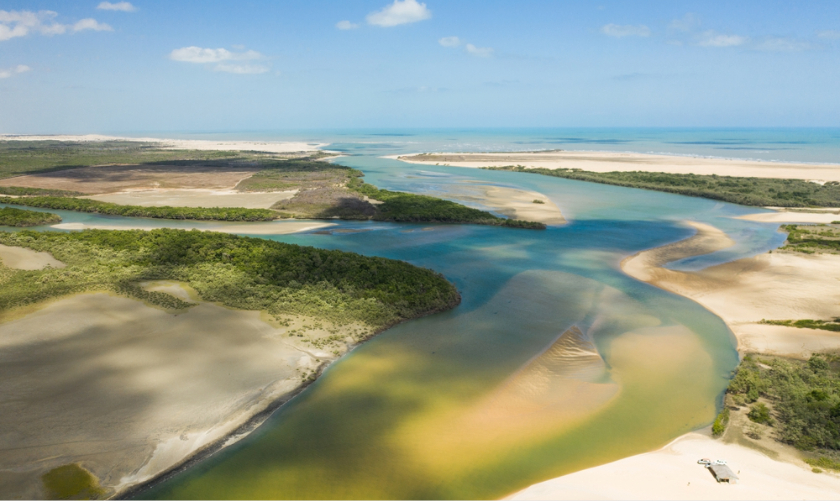
Choosing the best time to visit the Parnaíba Delta can make all the difference when it comes to enjoying a complete experience in one of Brazil’s most impressive natural destinations. Located between the states of Piauí and Maranhão, the Parnaíba Delta is the only open-sea delta in the Americas, bringing together dunes, mangroves, river islands, and breathtaking biodiversity.
In this guide, you will discover when to visit the Parnaíba Delta, which months offer the best weather, the most spectacular scenery, and unforgettable experiences — as well as why Blumar DMC is the ideal partner to plan your trip with safety, comfort, and a personalized approach.
Discover the Parnaíba Delta with Blumar DMC
Best Time to Visit the Parnaíba Delta: Understanding the Region’s Climate
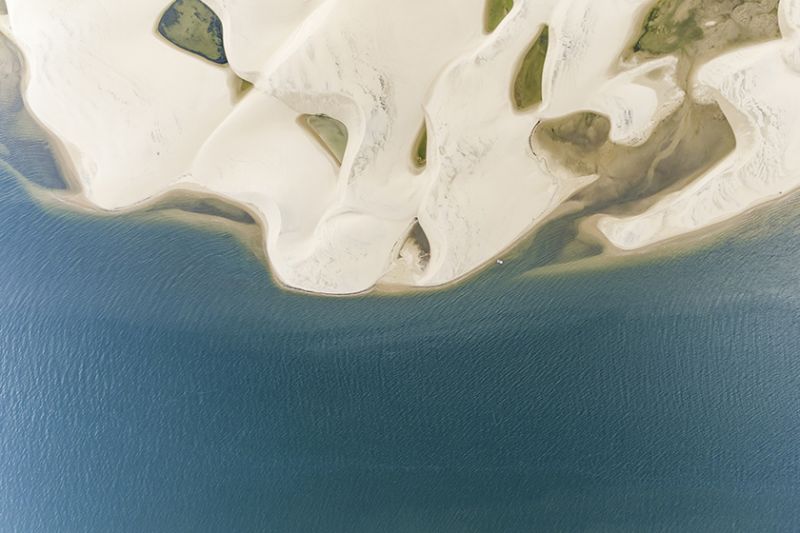
Photo: Chico Rasta / MTur
The first step in determining the best time to visit the Parnaíba Delta is understanding the local climate. The region has a tropical climate, with high temperatures throughout the year, generally ranging from 25°C to 32°C (77°F to 90°F), according to data from Brazil’s National Institute of Meteorology (INMET).
What changes throughout the year is the amount of rainfall, an important factor when planning boat trips, outdoor activities, and wildlife watching.
Dry Season: The Best Time to Visit the Parnaíba Delta
June to December - This period is considered by travel experts and tour operators to be the best time to visit the Parnaíba Delta. Rainfall decreases significantly, days are sunnier, and conditions are generally more favorable for boat excursions.
Main advantages of the dry season:
- Better visibility and clearer views of the landscape
- More comfortable speedboat excursions
- Hiking and walks across the dunes
- Birdwatching, including scarlet ibises and herons
- Spectacular sunsets over the Delta
According to Brazil’s Ministry of Tourism, July through October sees the highest number of visitors, largely due to the favorable weather conditions.
Best Time to Visit the Parnaíba Delta for Lush Scenery
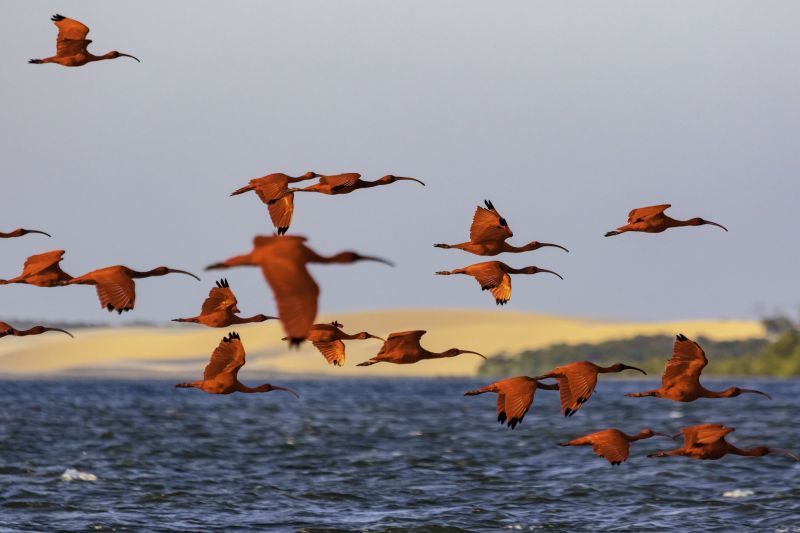
Photo: Chico Rasta / MTur
If your goal is to experience the Delta at its greenest, with abundant wildlife and higher river levels, the rainy season also has its advantages.
Rainy Season: Lush Landscapes and Fewer Visitors
January to May - Despite the rainfall, this period can be an excellent choice for travelers looking for a quieter, more contemplative experience. Rivers are fuller, mangroves are greener, and there are fewer visitors.
Things to keep in mind:
- Some activities may be limited due to weather conditions
- Excursions may depend on the weather on the day
- Higher humidity and warmer conditions
According to studies by ICMBio, Brazil’s Chico Mendes Institute for Biodiversity Conservation, the rainy season plays an essential role in maintaining the Delta’s ecological balance, supporting the reproduction of aquatic species and migratory birds.
Best Time to Visit the Parnaíba Delta Based on Your Travel Style
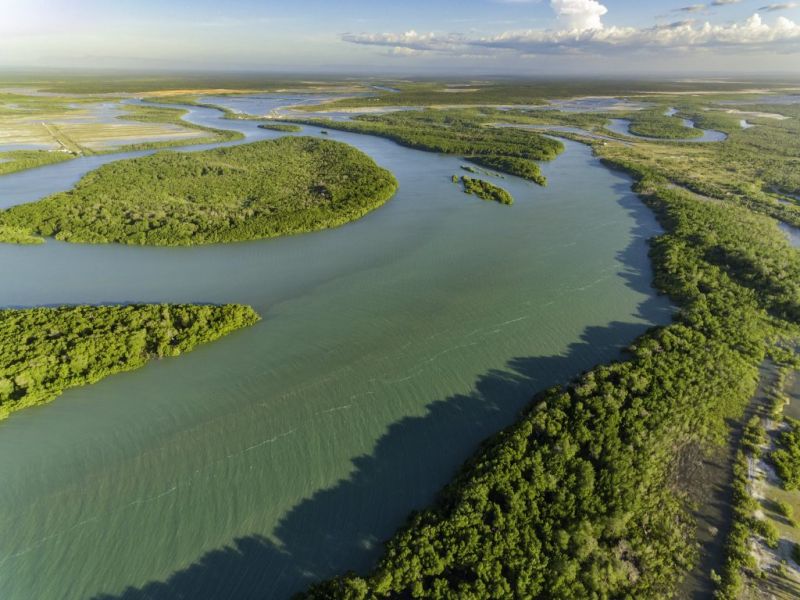
Photo: Chico Rasta / MTur
The best time to visit the Parnaíba Delta also depends on the type of experience you are looking for:
- For a complete experience and ideal weather: July to October
- For lush green landscapes and fewer crowds: February to April
- For photography and spectacular natural scenery: August and September
- For comfortable boat excursions: June to November
Planning your trip according to your travel style will help you make the most of the destination while reducing the risk of weather-related disruptions.
Why Visit the Parnaíba Delta with Blumar DMC?
When a destination involves nature, logistics, and exclusive experiences, traveling with an experienced tour operator can make all the difference. Blumar DMC specializes in high-end travel in Brazil, with decades of experience and extensive knowledge of the country’s leading nature destinations.
Why Choose Blumar DMC?
- Specialists in nature travel and ecotourism
- Tailor-made itineraries planned around the best time to visit the Parnaíba Delta
- Partnerships with certified local guides
- High standards of safety and comfort
- Personalized and attentive service
Client testimonials highlight Blumar DMC’s excellent organization and attention to every detail, reinforcing the company’s reputation in both the Brazilian and international travel markets.
Conclusion: What Is the Best Time to Visit the Parnaíba Delta?
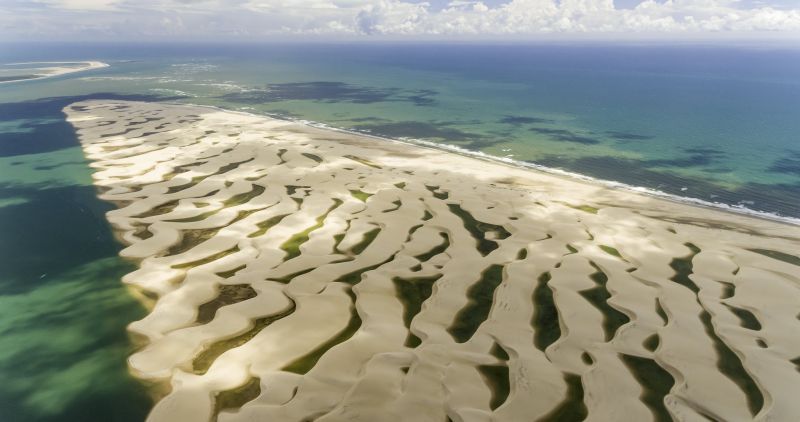
Photo: Chico Rasta / MTur
The best time to visit the Parnaíba Delta is generally between June and December, when the dry season brings more favorable conditions for excursions, spectacular scenery, and a complete travel experience. However, with the right planning, the destination can be rewarding at any time of year.
With the support of Blumar DMC, you can enjoy a carefully planned, safe, and fully personalized journey — experiencing the Parnaíba Delta at the time that best suits your travel style.
Posts you might also be interested in:
- Atins, a rustic paradise in Lençóis Maranhenses – Pros and Cons
- Shared or Private Tour in Lençóis Maranhenses?
- Discover the Largest Waterfalls in Brazil with Blumar DMC
- Double the Natural Beauty: Discover Destinations That Delight Twice as Much
- Discover the Best Beaches in Northeastern Brazil for Couples in Love
FAQ: Best Time to Visit the Parnaíba Delta
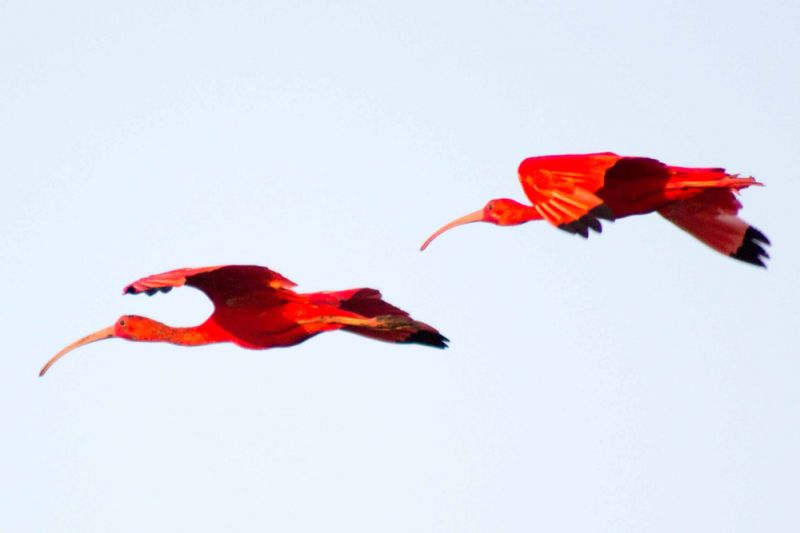
Photo: mochilaosabatico / Shutterstock.com
1. What is the best time to visit the Parnaíba Delta?
The best time to visit the Parnaíba Delta is generally from June to December, during the dry season. Rainfall is lower, days tend to be sunnier, and conditions are more favorable for boat trips, dune walks, wildlife watching, and other outdoor experiences.
For travelers looking for the best overall combination of weather and activities, July to October is an especially good period.
2. What are the best months to visit the Parnaíba Delta?
For most travelers, July, August, September, and October are among the best months to visit the Parnaíba Delta. These months typically offer favorable weather for exploring the waterways, mangroves, dunes, and islands that make the region unique.
August and September are particularly attractive for travelers interested in photography and spectacular natural scenery.
3. When is the dry season in the Parnaíba Delta?
The dry season generally runs from June to December. During this period, rainfall decreases considerably, providing better conditions for outdoor activities and excursions.
The dry season is ideal for:
- Boat and speedboat excursions
- Dune walks and hikes
- Birdwatching
- Landscape photography
- Watching sunsets over the Delta
- Exploring mangroves and river islands
4. When is the rainy season in the Parnaíba Delta?
The rainy season generally occurs from January to May. Although there is a greater chance of rain and some excursions may be affected by weather conditions, this season reveals a different side of the destination.
Rivers are fuller, mangroves become particularly lush, and visitor numbers tend to be lower, making it an interesting option for travelers seeking a quieter nature experience.
5. Is it worth visiting the Parnaíba Delta during the rainy season?
Yes. Visiting the Parnaíba Delta during the rainy season can be rewarding, especially for travelers interested in greener landscapes, higher river levels, abundant wildlife, and fewer visitors.
However, boat trips and other outdoor activities may need to be adjusted according to daily weather conditions. Travelers should also expect higher humidity.
6. What is the weather like in the Parnaíba Delta?
The Parnaíba Delta has a tropical climate, with warm temperatures throughout the year. Temperatures generally range from approximately 25°C to 32°C (77°F to 90°F).
Rather than temperature, rainfall is the main seasonal factor travelers should consider when deciding when to visit the Parnaíba Delta.
7. What is the best time for boat trips in the Parnaíba Delta?
For comfortable boat excursions in the Parnaíba Delta, the period from June to November is an excellent choice. Lower rainfall generally creates more favorable conditions for navigating the Delta and enjoying its landscapes.
Boat excursions are one of the essential experiences in the region, allowing travelers to discover mangroves, islands, dunes, wildlife, and remote areas that cannot be easily reached by road.
8. What is the best time for birdwatching in the Parnaíba Delta?
The Parnaíba Delta offers excellent opportunities for birdwatching, including sightings of scarlet ibises, herons, and numerous other species.
The dry season, particularly from July to October, combines good visibility with favorable conditions for wildlife excursions. The rainy season is also ecologically important, supporting aquatic species and migratory birds.
9. What is the best time to see lush landscapes in the Parnaíba Delta?
Travelers looking for the greenest scenery in the Parnaíba Delta should consider visiting between February and April.
During this part of the rainy season, increased rainfall helps create lush mangroves and fuller waterways. It is a good alternative for nature lovers who prioritize scenery and tranquility over consistently dry weather.
10. What is the best time for photography in the Parnaíba Delta?
August and September are excellent months for photography in the Parnaíba Delta. The combination of generally favorable weather, good visibility, dunes, waterways, wildlife, and dramatic sunsets provides outstanding opportunities for landscape and nature photography.
11. Is the Parnaíba Delta crowded during the best travel season?
Visitor numbers tend to increase between July and October, when weather conditions are particularly favorable. Travelers seeking fewer crowds may prefer the rainy season, especially from February to April, while accepting a greater possibility of weather-related changes to excursions.
12. What can you see and do in the Parnaíba Delta?
The Parnaíba Delta combines several ecosystems within one destination. Depending on the itinerary and season, travelers can enjoy boat excursions, mangrove exploration, dune walks, birdwatching, wildlife observation, river islands, photography, and spectacular sunsets.
This diversity makes the Delta an excellent destination for ecotourism and nature-focused itineraries in Northeast Brazil.
13. Where is the Parnaíba Delta located?
The Parnaíba Delta is located between the Brazilian states of Piauí and Maranhão, where the Parnaíba River reaches the Atlantic Ocean.
Its combination of waterways, islands, mangroves, dunes, and coastal landscapes makes it one of Brazil's most distinctive natural destinations.
14. How should I choose when to visit the Parnaíba Delta?
The ideal month depends on your priorities:
- Best overall experience and weather: July to October
- Lush landscapes and fewer visitors: February to April
- Photography and natural scenery: August and September
- Comfortable boat excursions: June to November
- Dry-season travel: June to December
Choosing your dates according to the experiences you value most can help you make the most of your trip.
15. Can the Parnaíba Delta be visited year-round?
Yes. The Parnaíba Delta can be visited throughout the year, but the experience changes with the seasons.
The dry season offers more predictable conditions for outdoor excursions, while the rainy season brings greener landscapes, fuller rivers, and fewer visitors. Good itinerary planning is particularly important outside the peak dry-season months.
16. Why plan a Parnaíba Delta trip with Blumar DMC?
Blumar DMC specializes in tailor-made travel experiences throughout Brazil and can plan a Parnaíba Delta itinerary according to the season, traveler profile, and preferred activities.
With experienced local partners, certified guides, personalized logistics, and a focus on safety and comfort, Blumar DMC can help travelers experience the Delta at the time of year that best matches their interests.
17. What is the quick answer for the best time to visit the Parnaíba Delta?
For most travelers, the best time to visit the Parnaíba Delta is from June to December, with July to October offering an especially attractive combination of favorable weather, boat excursions, wildlife watching, outdoor activities, and spectacular scenery.
Travelers who prefer greener landscapes and fewer crowds can consider February to April, provided they are comfortable with a higher chance of rain and possible changes to outdoor activities.