Português
 English
 Español
 Français
 Deutsch
 Italiano
 日本語
日本語
 العربية
 中文
中文
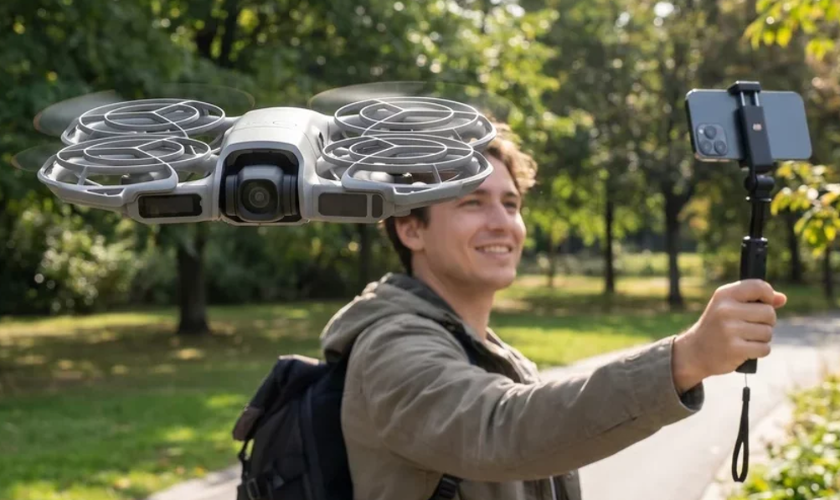
The short answer is yes: tourists can fly drones in Brazil, provided they comply with a clear set of requirements established by three different government authorities, as well as specific restrictions at iconic locations such as Christ the Redeemer, Sugarloaf Mountain, and Fernando de Noronha. Brazil’s regulatory framework is detailed, underwent significant changes in 2026, and failure to comply may result in fines, confiscation of the equipment, or more serious consequences. This guide explains exactly what travelers need to know before operating a drone in Brazil, based on the experience of Blumar Turismo, a Destination Management Company (DMC) with four decades of expertise in Brazil’s leading travel destinations.
Two important notes before we begin. First, the rules below have been updated for 2026 and reflect the new ICA 100-40 (DECEA Ordinance No. 2,094/DNOR8), which came into effect on July 1, 2026. Second, this content is provided for informational purposes only and should not be considered legal advice. Always verify the current regulations through the official channels of ANAC, DECEA, ANATEL, and ICMBio before each flight.
The Three Authorities You Need to Know
Flying a drone in Brazil involves three federal agencies, each responsible for regulating a different aspect of the operation. Understanding this division is the foundation of flying legally.
ANAC (National Civil Aviation Agency): regulates the aircraft itself. Drones weighing more than 250 g must be registered in the SISANT system. For drones under 250 g, registration is not mandatory for recreational use, although it is recommended for commercial operations. ANAC also regulates operator categories, remote pilot licensing, and the mandatory RETA liability insurance for non-recreational operations.
DECEA (Department of Airspace Control): regulates how you use Brazilian airspace. It is the authority responsible for the SARPAS NG system and ICA 100-40 regulations. Any flight that does not fall within the simplest exemption categories requires prior authorization through SARPAS.
ANATEL (National Telecommunications Agency): regulates the radio frequencies used by drones. The equipment must be ANATEL-certified. Most drones sold by authorized dealers in Brazil are already certified (the Brazilian version), but imported units may not be.
In addition to these three authorities, there is a fourth layer of regulation that applies to certain locations. ICMBio (which manages federal protected areas), the Brazilian Navy (for coastal and military zones), state environmental agencies, and local municipalities may all require additional, independent permits. This final layer is the one that most often catches unprepared travelers by surprise.
Is Your Drone Properly Registered? Two Essential Requirements
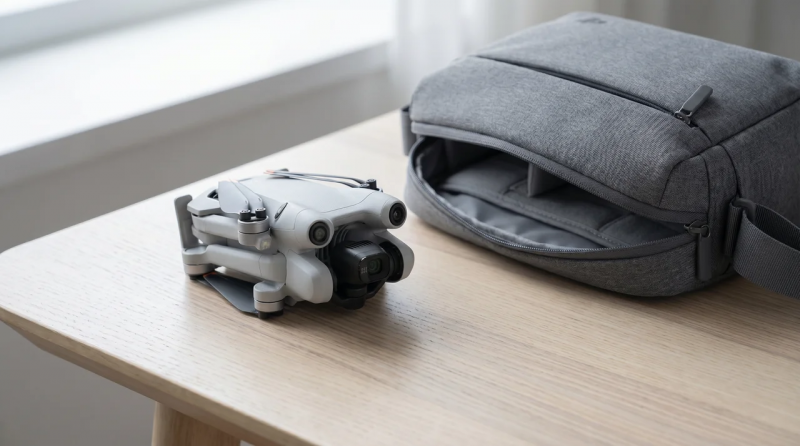
Photo: Irlen Menezes / Blumar DMC
Before flying anywhere in Brazil, two registrations are particularly important:
ANAC SISANT Registration: Mandatory for any drone weighing more than 250 g, and recommended for commercial operations even below that weight. Registration is free of charge, valid for two years, and generates a registration code (PP-XXXXXXXXX for non-recreational use and PR-XXXXXXXXX for recreational use) that must be physically affixed to the drone. A complete step-by-step guide is available in the updated 2026 SISANT Registration Guide, maintained by a Brazilian drone regulation specialist.
ANATEL Certification: Your drone must be certified for the use of radio frequencies in Brazil. Major brands such as DJI, Autel, and Skydio sold through authorized Brazilian retailers are already certified (the Brazilian version). If your drone was purchased abroad, its certification status may differ.
To generate properly formatted labels for your drone, two free online tools are available:
- ANATEL Drone Label Generator — Creates an ANATEL certification label in the correct format to be affixed to your drone.
- ANAC SISANT Drone Label Generator — Creates a SISANT registration label displaying your registration code (PP-XXXXXXXXX or PR-XXXXXXXXX) for attachment to the drone, as required by Brazilian regulations.
Having both labels properly attached and clearly legible is one of the first things inspectors will check during an enforcement inspection.
ICA 100-40: The Airspace Regulation That Governs Your Flight

Photo: Felipe Mendonca photos / Shutterstock.com
The ICA 100-40, issued by DECEA, is the primary regulation governing drone operations within Brazilian airspace. The revised version, which came into effect on July 1, 2026, introduced several significant changes and now applies to many scenarios involving drones weighing less than 250 g. Among the key points every visiting drone pilot should know are:
-
Visual Line of Sight (VLOS): The drone must remain within the operator's unaided visual line of sight at all times. Binoculars or external display screens cannot be used as a substitute for direct visual observation.
-
Maximum Altitude: Generally limited to 120 meters (400 feet) above ground level for recreational operations and most non-recreational flights, although specific exemptions and lower altitude limits apply in certain areas.
-
30-Meter Rule: A minimum horizontal distance of 30 meters (98 feet) must be maintained from uninvolved people, buildings, and vehicles.
-
Restricted Airspace: FRZ (Flight Restriction Zones) around airports and EAC (Conditioned Airspace) over sensitive areas require prior authorization through the SARPAS system.
-
SARPAS NG: The digital platform used to request airspace authorization, available at decea.mil.br. While many recreational flights in unrestricted areas no longer require SARPAS authorization, professional operations and most flights in urban areas still do.
For a detailed explanation of where you can and cannot fly, consult the guide on FRZs and airport restriction zones, which explains how to check the official aeronautical charts before every flight.
Christ the Redeemer: Special Rules and Why Most Tourists Cannot Fly There

Photo: marchello74 / Shutterstock.com
Christ the Redeemer is one of the most restricted locations in Brazil for drone operations. Although many visitors assume that flying a drone over one of the country's most iconic landmarks is permitted, the reality is quite different.
The monument is located within Tijuca National Park, a federally protected conservation area managed by ICMBio, and also lies within controlled airspace. As a result, operating a drone there generally requires multiple, independent authorizations that go beyond the standard ANAC and DECEA requirements.
For most tourists, recreational drone flights at Christ the Redeemer are not permitted. Professional filming or photography may be authorized only after obtaining the necessary approvals from the relevant authorities, including ICMBio and, where applicable, DECEA through the SARPAS system.
Attempting to fly a drone without the required permits may result in the flight being interrupted, fines, confiscation of the equipment, or other administrative penalties.
Before planning any drone operation at or around Christ the Redeemer, always verify the latest requirements with the official authorities, as access rules and operational restrictions may change.
Sugarloaf Mountain: Military Restriction and Urban Airspace

Photo: Skreidzeleu / Shutterstock.com
Sugarloaf Mountain is subject to similarly strict restrictions. The area falls within the Military Zone of Fort São João, creating a restriction that is independent of DECEA regulations. The surrounding airspace also has heavy helicopter traffic, the Sugarloaf cable car operation, and is located near the traffic zone of Santos Dumont Airport.
From a practical standpoint, the answer for tourists is the same as for Christ the Redeemer: casual recreational drone flights are not permitted at Sugarloaf Mountain or Praia Vermelha. Authorized flights require coordination with the military authorities, SARPAS approval, and, in many cases, additional permits. For most international visitors, the most practical option is to hire a licensed local drone operator.
Fernando de Noronha: One of Brazil's Most Restricted Destinations
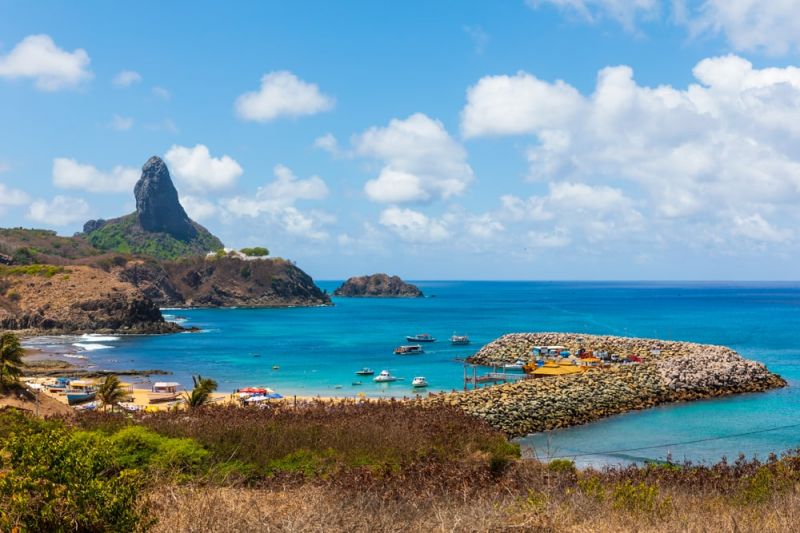
Photo: Reuber Duarte / Shutterstock.com
Fernando de Noronha, a UNESCO-listed Brazilian archipelago, is one of the country’s most heavily regulated destinations for drones. Drone operations are jointly controlled by ICMBio, which manages the Marine National Park and the Environmental Protection Area, and the Aeronautical Authority. Casual tourist drone flights are not permitted.
To fly a drone legally in Fernando de Noronha, the following are generally required:
A drone registered with ANAC (SISANT) and certified by ANATEL.
DECEA SARPAS authorization for the airspace.
Specific ICMBio authorization to use the drone within the protected area, especially for image capture, following the park administration’s own process (PARNA Noronha).
For non-recreational filming or commercial use, additional documentation and fees may apply.
Unauthorized drone use in Fernando de Noronha may result in equipment seizure and significant fines under federal environmental legislation. The penalty range for improper conduct in protected areas can reach R$10,000 in certain cases. Always coordinate with the park administration before traveling to Noronha with a drone.
Beaches, National Parks, and Other Sensitive Areas
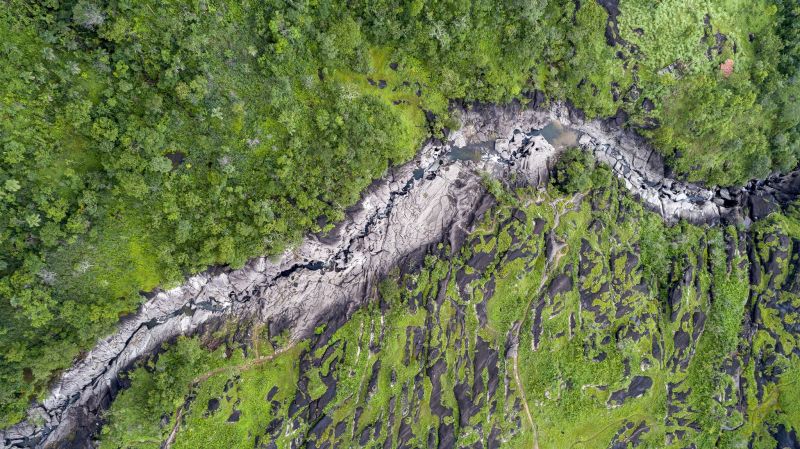
Photo: Augusto Miranda / MTur
Brazilian beaches and national parks each have their own layer of drone regulations:
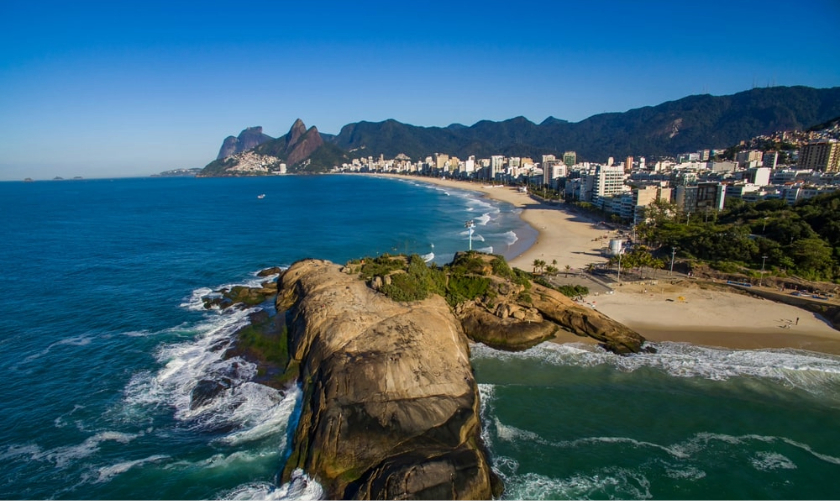
Beaches in major cities: These are generally located within an FRZ or EAC associated with the city's primary airport, requiring SARPAS authorization. Copacabana, for example, falls within the controlled airspace of Santos Dumont Airport. The 2026 guide to flying drones on Brazilian beaches explains the four regulatory layers that typically apply.
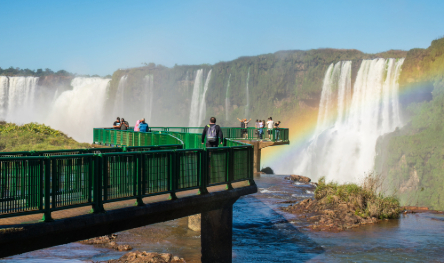
National Parks: Regulations vary by park. Iguaçu National Park prohibits recreational drone use, except for authorized scientific research conducted under SisBio approval (ICMBio Ordinance No. 956/2026). Each national park has its own authorization process, so always consult ICMBio well in advance.
Indigenous Territories: Drone flights over Indigenous Lands require authorization from FUNAI and must respect the rights and wishes of the Indigenous communities concerned.
Military installations, prisons, and critical infrastructure: Drone operations are strictly prohibited and subject to severe penalties.
Bringing Your Drone to Brazil: Customs and Insurance
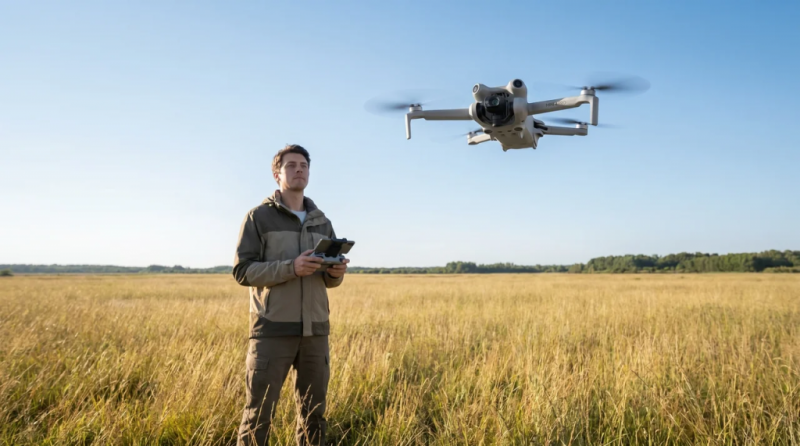
Photo: Irlen Menezes / Blumar DMC
International tourists arriving with a drone should also be aware of the following:
Customs: Drones for personal use generally fall within the traveler’s baggage allowance. Multiple units or brand-new sealed equipment may attract attention and result in taxation. Carry the original invoice in case you are questioned.
ANATEL certification: Drones purchased abroad in versions not certified for Brazil are technically not authorized to operate in Brazilian airspace, although customs enforcement is inconsistent.
RETA insurance: Mandatory for any non-recreational operation, including footage that will be commercialized. Article 281 of Law No. 7,565/86 makes this clear.
Lithium batteries: Airline rules apply to LiPo batteries, which must travel in carry-on baggage with proper protection. Each airline has its own limits.
The Practical Approach for Most Tourists
For most visitors, the practical recommendation is straightforward. If your goal is recreational drone flying in unrestricted areas—away from cities, airports, protected areas, and military zones—and your drone is properly registered and ANATEL-certified, you can generally fly legally under the standard rules set out in ICA 100-40.
If your goal is to capture iconic footage at restricted locations such as Christ the Redeemer, Sugarloaf Mountain, Fernando de Noronha, downtown Rio de Janeiro, or downtown São Paulo, the most practical solution is to hire a licensed local drone operator who already holds the necessary authorizations.
Traveling with a drone in Brazil can be both rewarding and worthwhile, but it requires careful preparation. Flying legally not only protects you from fines, equipment seizure, and more serious legal consequences, but also demonstrates respect for the people, protected environments, and shared airspace where you operate.
How Blumar Can Help
As one of Brazil's leading Destination Management Companies (DMCs), with four decades of experience operating in the country's premier destinations, Blumar can coordinate professional aerial photography and videography for your clients' itineraries through licensed drone pilots who hold all the necessary authorizations and permits.
Whether you're planning an itinerary that includes aerial filming or simply need guidance on what is feasible at each destination, visit the official Blumar DMC website or explore our Meetings & Events section for expert assistance.
Fly Your Drone in Brazil the Right Way
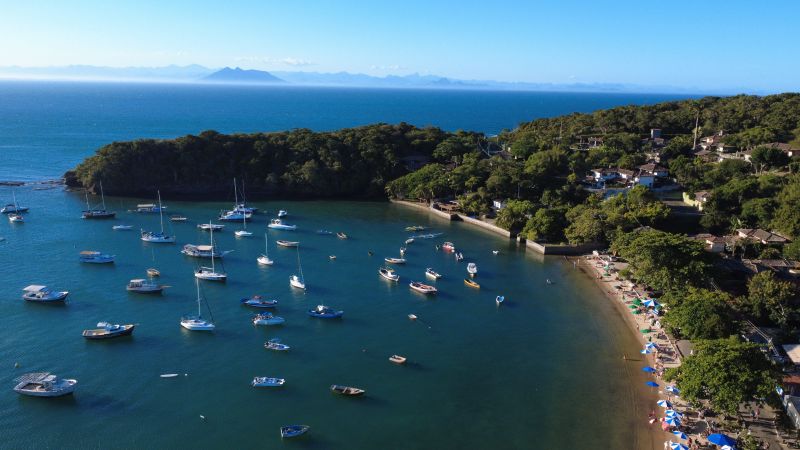
Photo: Irlen Menezes / Blumar DMC
Brazil offers some of the world's most breathtaking landscapes for aerial photography and videography, but its regulatory framework requires careful preparation. Understanding the roles of the three regulatory authorities, the requirements of ICA 100-40, and the specific restrictions that apply to iconic destinations can make the difference between an unforgettable trip and a costly mistake.
If your itinerary includes professional aerial filming in Brazil, or if you need guidance on what is feasible at each destination, contact Blumar DMC. For in-depth technical guides on Brazilian drone regulations, visit drone.irlenmenezes.com.br.
About Blumar DMC
Blumar is a Destination Management Company (DMC) and inbound tour operator headquartered in Rio de Janeiro, with four decades of experience delivering leisure travel, group tours, incentive programs, and events throughout Brazil. The company is a member of Virtuoso, BLTA, IGLTA, IATA, and USTOA.
For in-depth technical information on Brazilian drone regulations, this article was developed based on the expertise shared at https://irlenmenezes.com.br/blog/, a technical blog maintained by a registered SISANT drone pilot and professional aerial photographer who is part of the Blumar Group. To learn more, visit Blumar's corporate profile.
Posts you might also be interested in:
- Double the Natural Beauty: Discover Destinations That Delight Twice as Much
- Trip to Fernando de Noronha: The Essential First-Timer’s Guide
- The Best Places to Watch the Sunset in Rio de Janeiro
- Best Family-Friendly Destinations in Northeast Brazil
- Discover the Best Ecotourism Destinations in Brazil with Blumar DMC
FAQ – Can I Fly a Drone in Brazil in 2026? Rules for International and Brazilian Tourists
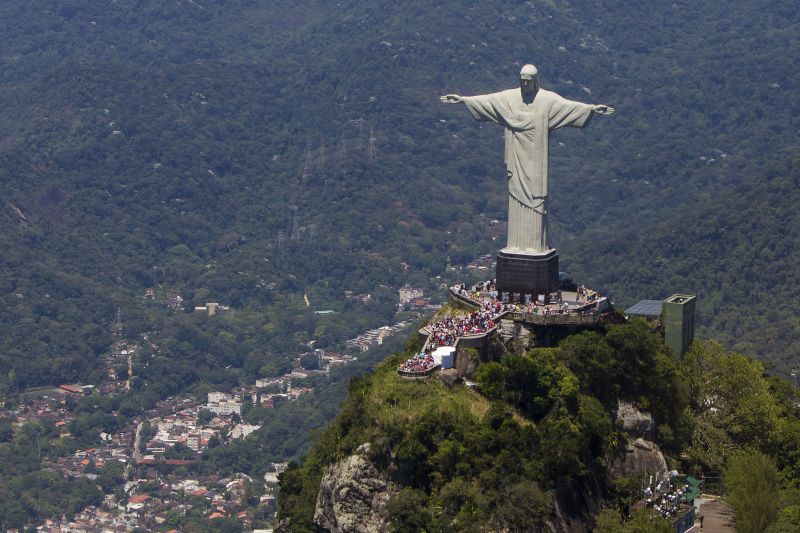
Photo: Luciola Vilella / MTur
1. Can tourists fly drones in Brazil in 2026?
Yes. Both international and Brazilian tourists may operate drones in Brazil, provided they comply with the applicable regulations and respect airspace restrictions, environmental regulations, and military zones.
2. Which authorities regulate drone operations in Brazil?
Drone operations are primarily regulated by four authorities:
- ANAC – aircraft registration (SISANT), operational categories, and insurance.
- DECEA – airspace management and SARPAS NG flight authorizations.
- ANATEL – radio frequency certification of drone equipment.
- ICMBio – permits for flights within national parks and federal protected areas.
Depending on the location, additional approvals may also be required from the Brazilian Navy, state environmental agencies, municipalities, or other public authorities.
3. Do I need to register my drone with ANAC?
Yes. If your drone weighs more than 250 grams, registration with SISANT is mandatory.
For drones under 250 g used for commercial purposes, registration is still recommended.
4. What is SISANT?
SISANT is ANAC's online drone registration system.
Once registered, operators receive an identification code (PR or PP) that must be permanently displayed on the aircraft.
5. Does my drone need ANATEL certification?
Yes. Any drone operated in Brazil must have ANATEL approval for its radio communication equipment.
Drones purchased abroad may not have Brazilian certification.
6. What changed with ICA 100-40 in 2026?
The updated ICA 100-40, effective July 1, 2026, introduced several important changes, including:
- broader application of the rules to some drones weighing under 250 g;
- updated airspace procedures;
- revised requirements for certain urban and professional operations.
7. What is the maximum permitted flight altitude?
For most recreational operations, the general limit is:
120 meters (400 feet) above ground level (AGL).
Some restricted areas have lower limits or additional requirements.
8. Must I keep my drone within visual line of sight?
Yes.
Drone flights must be conducted under Visual Line of Sight (VLOS), meaning the drone must remain visible to the operator at all times without using binoculars or similar devices.
9. Is there a minimum distance from people?
Yes.
The general rule requires maintaining 30 meters (98 feet) of horizontal separation from uninvolved people, buildings, and vehicles, unless specific regulatory exceptions apply.
10. What is SARPAS NG?
SARPAS NG is DECEA's online platform used to request airspace authorization.
Depending on where and how you intend to fly, prior authorization may be required.
11. Can I fly near airports?
Generally, not without authorization.
Areas near airports are often classified as:
- Flight Restriction Zones (FRZ)
- Conditional Airspace (EAC)
Flights in these areas usually require prior SARPAS authorization.
12. Can I fly a drone at Christ the Redeemer?
For most tourists, no.
The monument is located within a highly restricted area that includes:
- controlled airspace;
- helicopter traffic corridors;
- Tijuca National Park;
- additional environmental and operational restrictions.
Professional aerial filming is generally only possible through licensed operators holding all required authorizations.
13. Can I fly a drone at Sugarloaf Mountain?
No for ordinary recreational flights.
The area is affected by military restrictions related to Fort São João, heavy helicopter traffic, and its proximity to Santos Dumont Airport.
14. Can I fly a drone in Fernando de Noronha?
Only with specific authorizations.
In most cases, operators will need:
- ANAC (SISANT) registration;
- ANATEL certification;
- DECEA airspace authorization;
- ICMBio authorization for flights within the protected area.
Unauthorized drone operations may result in fines and equipment seizure.
15. Can I fly a drone on Brazilian beaches?
It depends.
Many beaches in major cities are located within controlled or restricted airspace because of nearby airports, requiring prior authorization.
Always check the applicable airspace before flying.
16. Can I fly in national parks?
Each national park has its own regulations.
Some allow only specially authorized operations, while others prohibit recreational drone flights altogether.
17. Can I fly over Indigenous territories?
Only with authorization from FUNAI and in compliance with all applicable regulations and the rights of Indigenous communities.
18. Are there places where drone flights are prohibited?
Yes.
These include:
- military facilities;
- prisons;
- critical infrastructure;
- certain protected environmental areas;
- areas subject to temporary airspace restrictions.
19. Can I bring my drone into Brazil as a tourist?
Yes.
It is advisable to travel with:
- proof of purchase;
- a properly certified drone;
- batteries packed according to airline regulations;
- all relevant drone documentation.
20. Is RETA insurance mandatory?
Yes, for non-recreational operations, including commercial aerial photography and videography.
21. Can I sell photos or videos captured with my drone?
Commercial use is subject to additional legal requirements, including mandatory RETA insurance and compliance with the applicable regulations governing professional drone operations.
22. What happens if I fly without authorization?
Depending on the circumstances, unauthorized drone operations may result in:
- fines;
- confiscation of the drone;
- administrative penalties;
- environmental sanctions;
- other legal consequences under Brazilian law.
23. What is the best way to obtain drone footage of Christ the Redeemer or Sugarloaf Mountain?
The safest and most practical option is to hire a licensed local drone operator who already holds the necessary permits and authorizations.
24. Is it worth bringing a drone to Brazil?
Absolutely. Brazil offers some of the world's most spectacular landscapes for aerial photography and videography. However, successful drone operations require planning, proper registration, and full compliance with Brazilian regulations.
25. How can Blumar DMC help?
Blumar DMC assists international travelers, tour operators, and event organizers by coordinating professional aerial filming through licensed drone pilots with the required authorizations. The company also provides guidance on where aerial filming is legally feasible throughout Brazil.