Português
 English
 Español
 Français
 Deutsch
 Italiano
 日本語
日本語
 العربية
 中文
中文
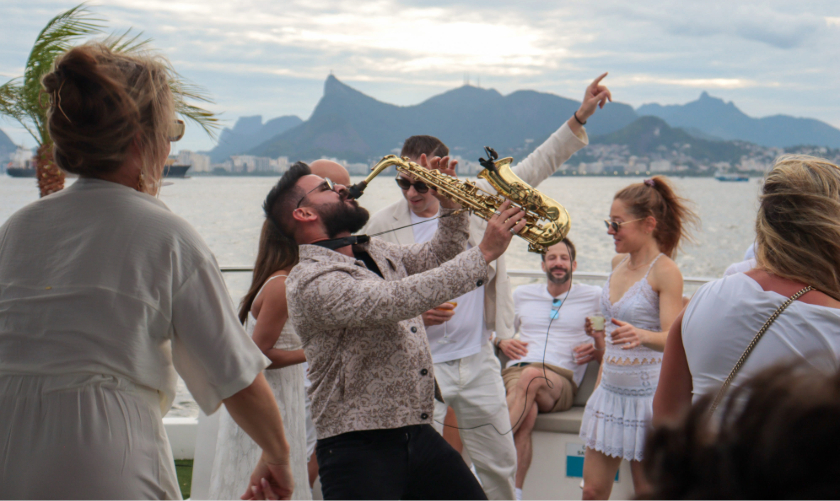
Brazil has become one of the most competitive MICE destinations in the world, and the data confirms it. The country now ranks among the top global destinations for international association events and leads Latin America by a clear margin. For meeting planners, incentive houses, and corporate event teams, Brazil offers something few destinations can match: world-class venues and infrastructure combined with the cultural energy and natural diversity that turn a business event into an experience.
This guide explains what MICE means in the Brazilian context, why the country has risen so sharply in global rankings, where the strongest event hubs are, what each MICE pillar looks like on the ground, and how to plan a successful program with a local partner. It is written for international planners and agencies evaluating Brazil for their next meeting, incentive, conference, or event.
1. What MICE Means and Why It Matters in Brazil
MICE stands for Meetings, Incentives, Conferences, and Events (sometimes Exhibitions). It is the segment of the travel industry focused on business travel and structured group programs rather than individual leisure tourism. Each letter represents a distinct type of program:
- Meetings: corporate gatherings of any size, from board retreats and sales kick-offs to regional team summits, organized around specific business objectives.
- Incentives: reward-based travel programs designed to motivate and recognize employees, partners, or distributors through memorable experiences.
- Conferences: large-scale professional gatherings, including scientific congresses, association meetings, and industry summits that bring delegates together to share knowledge.
- Events and Exhibitions: product launches, gala dinners, trade fairs, and custom experiences built around a brand or commercial goal.
In Brazil, MICE is not a niche. The business events sector represents a major share of international arrivals to the country and drives high-yield tourism that benefits hotels, venues, transport, and local economies far beyond the event itself. For planners, this matters because it means Brazil has invested heavily in the infrastructure, expertise, and supplier networks required to host complex programs at an international standard.
2. Why Brazil Is Rising as a Global MICE Destination
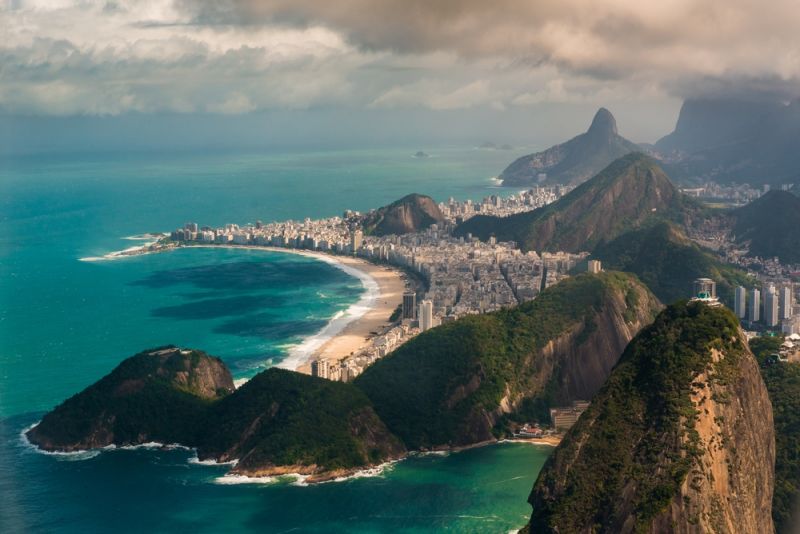
Photo: Donatas Dabravolskas / Shutterstock.com
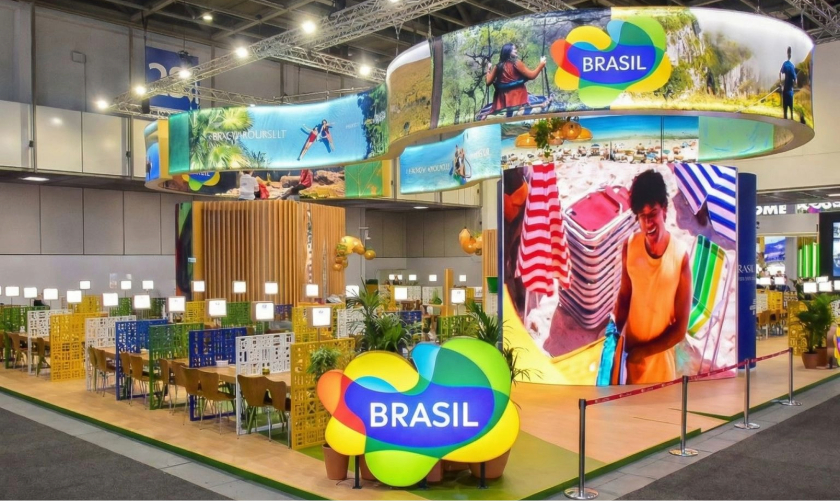
Brazil's position in the global events market has strengthened dramatically. According to the International Congress and Convention Association, Brazil reached 13th place worldwide in the 2025 ICCA ranking, climbing two positions from the previous year and surpassing its pre-2020 meeting volumes. The country recorded 276 international association events, an increase of nearly 18 percent over the prior count, and held its position as the undisputed leader for MICE in Latin America.
This is not a momentary spike. Brazil saw a substantial surge in international events hosted between 2022 and 2024, and the upward trajectory has continued into 2026. The Brazilian Fair and Business Events Union reported a record number of business events and fairs in the first half of 2025, with strong growth in both event volume and attendance, drawing millions of visitors. Brazil also ranks among the world's leading countries for total exhibition space.
Several factors drive this momentum:
- Infrastructure investment: the expansion of major airports and the development of convention centers across multiple cities have expanded the country's capacity to host large-scale events.
- Coordinated national strategy: a sustained effort to attract international events, combining infrastructure, logistics, and technical expertise, has improved Brazil's competitiveness.
- Strength in scientific and medical congresses: these historically represent a majority of the country's international event captures, anchoring Brazil's reputation in high-value associative tourism.
- Marquee global events: Brazil's 2026 calendar includes major international conferences that draw thousands of delegates from around the world, reinforcing the country's visibility as a world-class business tourism destination.
3. The Best MICE Cities in Brazil
Brazil hosts international events across dozens of cities, but a clear hierarchy of MICE hubs has emerged, each with distinct strengths.
São Paulo
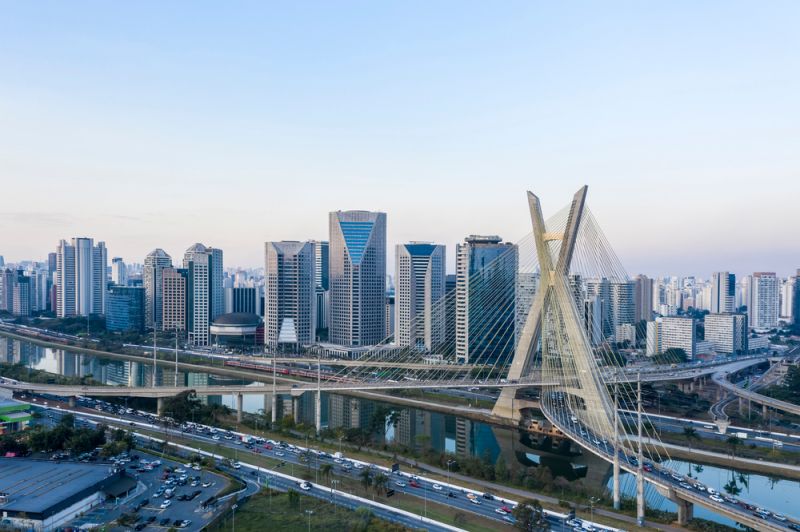
Photo: Erich Sacco / Shutterstock.com
São Paulo is Latin America's strongest business hub and the primary center for international delegations in Brazil, hosting the largest share of the country's events. It offers the deepest concentration of convention space, business hotels, corporate infrastructure, and connectivity. For conferences, trade fairs, and large corporate meetings, São Paulo is often the default choice. São Paulo Expo stands as a flagship multi-sector venue driving the city's exhibition calendar.
Rio de Janeiro
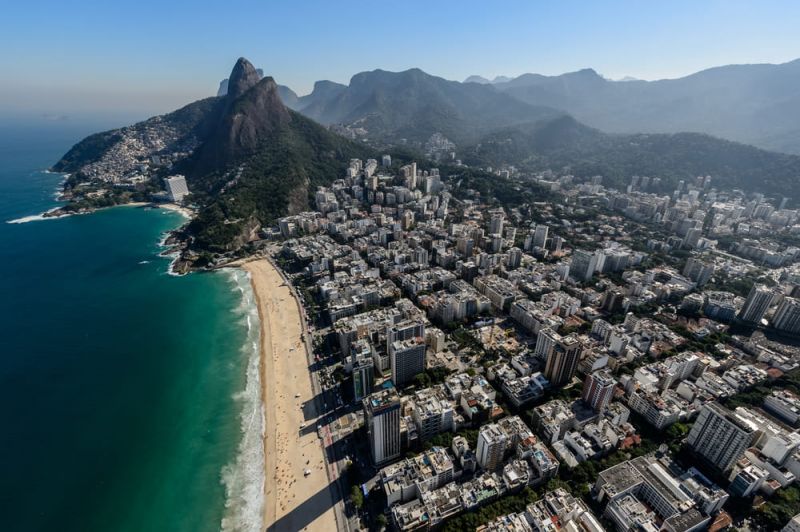
Photo: zjtmath / Shutterstock.com
Rio de Janeiro combines serious event infrastructure with the most iconic scenery in Brazil, making it uniquely powerful for programs that blend business with experience. Riocentro, located in the Barra da Tijuca district, is widely regarded as Brazil's premier event venue and one of South America's top conference centers. According to its operator GL events, it sits within a 57-hectare park facing a natural lake, with around 87,000 square meters of indoor space across five interconnected pavilions and an integrated convention center, and it can accommodate congresses and conventions for tens of thousands of delegates. Rio is the natural choice when a planner wants a world-class congress paired with the energy and beauty that delegates remember.
Brasília
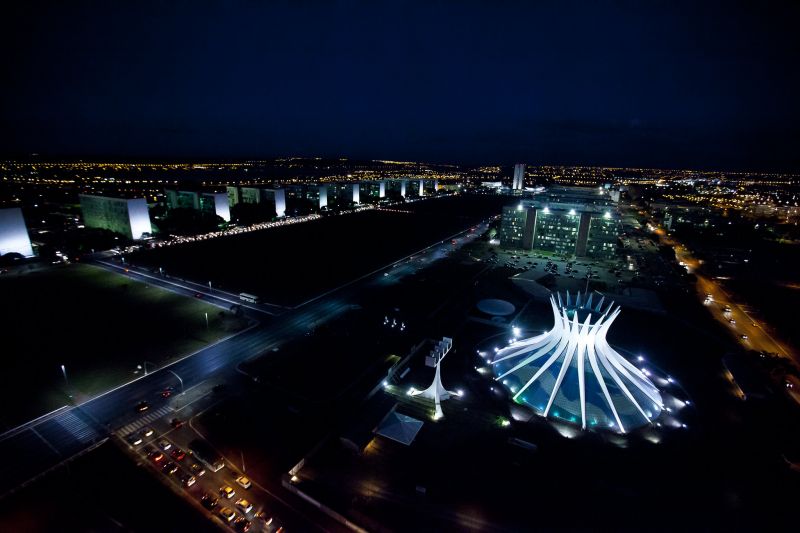
Photo: Governo do Distrito Federal / Bento Viana
The federal capital ranked among the top Brazilian destinations for business tourism in the 2025 ICCA ranking, placing behind São Paulo and Rio de Janeiro according to Embratur. Its modernist architecture, government and institutional connections, and dedicated convention infrastructure make it a strong choice for governmental, association, and sector-specific events.
Beyond the big three
Other cities increasingly feature in the international event calendar, including Belém in the north, Belo Horizonte in Minas Gerais, and several Northeast coastal cities that pair meeting facilities with resort settings ideal for incentive programs. The breadth of capable destinations is one of Brazil's competitive advantages.
4. The Four Pillars of MICE on the Ground in Brazil
Understanding how each MICE pillar translates into a real Brazilian program helps planners scope their brief accurately.
Meetings
Corporate meetings in Brazil range from intimate executive retreats in the Serra Gaúcha or coastal Bahia to large sales conferences in São Paulo hotels. The key planning variables are connectivity for arriving delegates, meeting room capacity and technology, and proximity between accommodation and the meeting venue to minimize wasted time.
Incentives
Incentive travel is where Brazil truly distinguishes itself. The country offers an exceptional range of reward-worthy experiences within a single destination: the Amazon rainforest, the Pantanal wetlands, Iguazu Falls, Fernando de Noronha, the historic towns of Minas Gerais, and a celebrated coastline. A well-designed incentive program leverages this diversity to create the transformative, memorable moments that drive motivation and loyalty.
Conferences and Congresses
Brazil's strength in scientific, medical, and association congresses is built on capable venues, established local organizers, and a track record of hosting events for thousands of delegates. Conference planning requires venue capacity, registration and attendee management, accommodation blocks at scale, and reliable transport between hotels and the congress center.
Events and Exhibitions
Product launches, gala dinners, brand activations, and trade exhibitions benefit from Brazil's creative event production capabilities and its dramatic settings. A gala dinner with Sugarloaf as a backdrop or a product launch in a historic space delivers an impact that generic venues cannot.
5. Venues and Infrastructure: What Planners Should Know
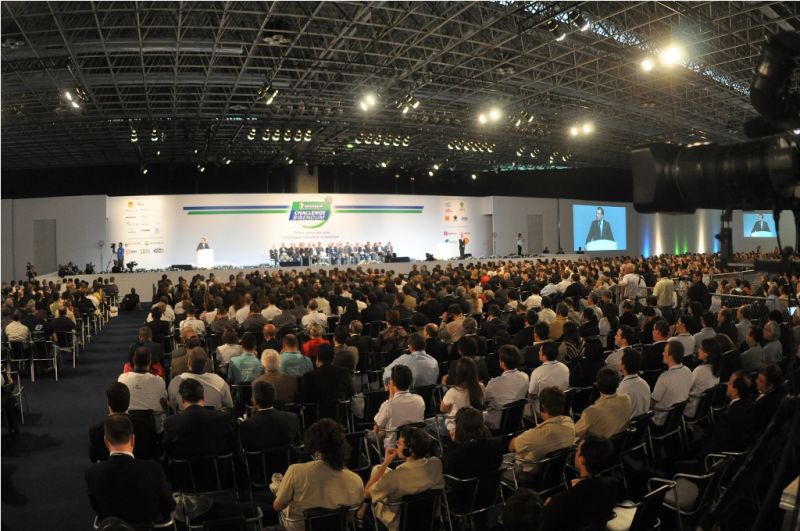
Photo: Disclousure / riocentro.com.br
Brazil's venue landscape spans purpose-built convention centers, large exhibition pavilions, hotel conference facilities, and unique non-traditional spaces. When evaluating infrastructure for a program, planners should consider capacity and modularity, on-site or nearby accommodation, transport access including airport proximity and public transit links, and the technical capability of the venue for audiovisual and hybrid requirements.
Riocentro in Rio de Janeiro illustrates the upper end of Brazilian capability, offering five interconnected pavilions, an integrated convention center, an on-site five-star hotel, a heliport, and parking for more than 5,800 vehicles, with the flexibility to host events from intimate seminars to congresses for tens of thousands. São Paulo Expo anchors the country's largest exhibition market. Beyond these flagships, a strong local DMC maintains relationships with the full spectrum of venues, including the boutique and unconventional spaces that make an event distinctive.
6. MICE Trends Shaping Brazilian Programs in 2026
The expectations of corporate clients and delegates have evolved, and successful Brazilian programs reflect these shifts:
- Hyper-personalization: groups expect programs tailored to their culture, objectives, and interests rather than standardized packages.
- Authentic cultural immersion: community-based experiences, regional gastronomy, and genuine local contact have replaced staged tourism for high-value groups.
- Sustainability as a requirement: measurable environmental commitments and community engagement are now part of the brief, with planners asking for concrete metrics.
- Return on experience: clients increasingly measure programs by engagement and lasting impact rather than headcount alone.
- Bleisure and slower itineraries: blending business with leisure extensions and exploring fewer places more deeply have become defining features of modern programs.
7. How to Plan a Successful MICE Program in Brazil
Planning a MICE program across a country the size of Brazil rewards structure and local partnership. The essential steps are:
- Define objectives first: clarify what the program must achieve, whether that is motivation, knowledge sharing, brand impact, or relationship building, before choosing destinations or venues.
- Choose the destination to fit the objective: match the city and setting to the program type, using São Paulo for large corporate and trade events, Rio for congresses with experiential impact, and natural destinations for incentives.
- Engage a local DMC early: a destination management company secures venues, negotiates rates, and handles logistics on the ground. For significant programs, reaching out six to twelve months ahead is ideal.
- Account for seasonality: Brazil's calendar includes Carnival, regional festivals, and seasonal patterns that affect availability and pricing across different regions.
- Plan logistics and contingency: internal flights, group transfers, and backup plans for delays or supplier issues are essential across long distances.
- Build in the experience: the cultural and natural moments that make Brazil unique should be designed into the program, not added as an afterthought.
The single most important decision is the choice of local partner. The right DMC turns the complexity of a continental country into a seamless program and unlocks the access, rates, and expertise that define a successful event.
Plan Your Brazil MICE Program With a Trusted Local Partner
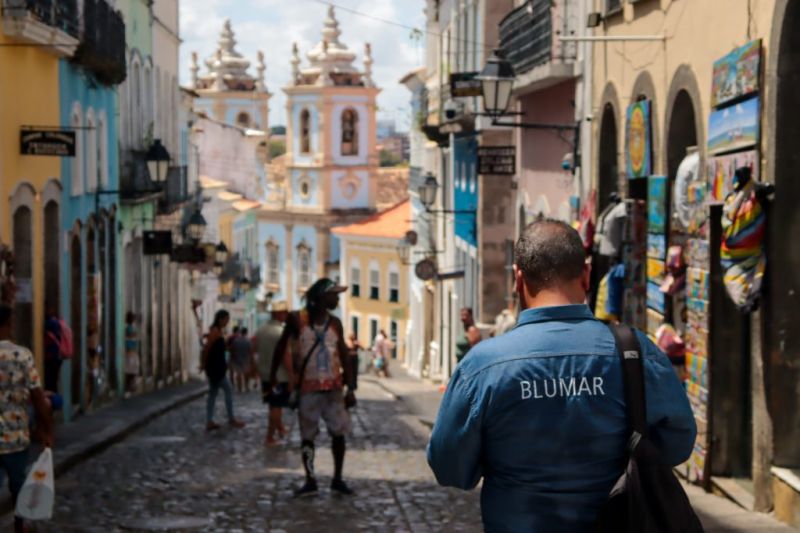
Photo: Guilherme Ferreira / Blumar DMC
Brazil offers the venues, the infrastructure, and the experiences to deliver world-class meetings, incentives, conferences, and events. What turns that potential into a flawless program is a partner that operates on the ground every day and knows how to make a complex destination feel effortless.
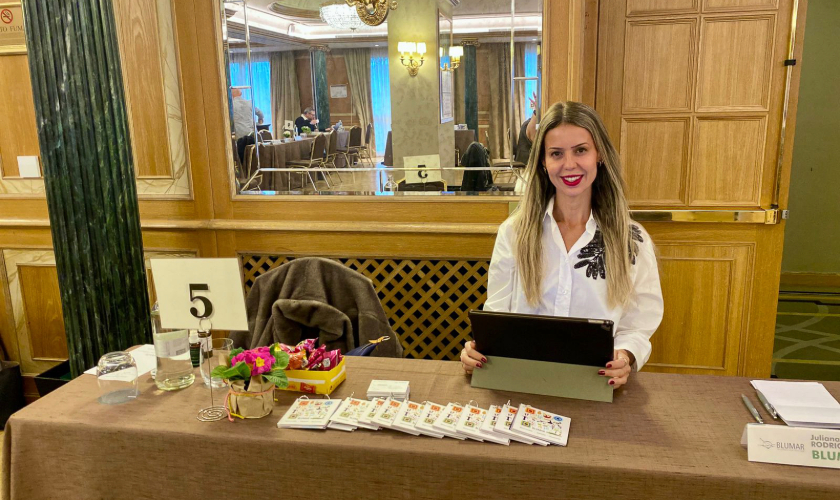
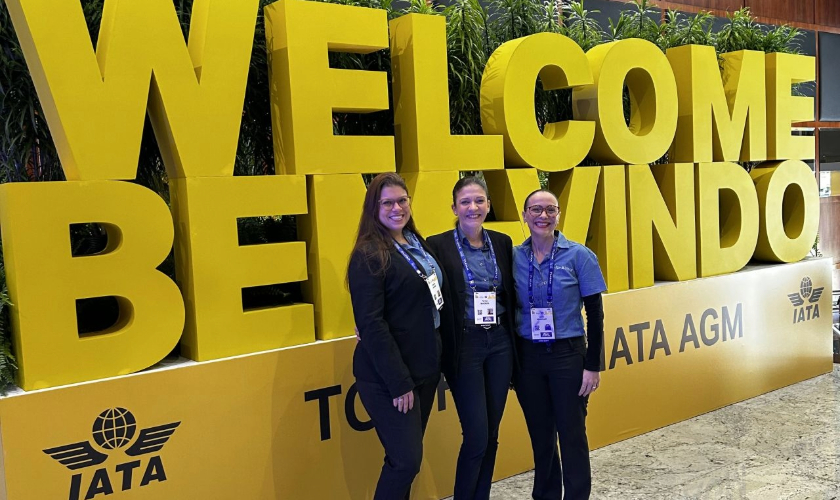
To discuss a MICE program, explore venue options, or request a proposal, visit the official Blumar DMC website.
Posts you might also be interested in:
- Destination Management Company Brazil: Why Blumar Leads
- Incoming Operator Brazil: Why Blumar
- Blumar DMC at IBTM World 2025
- Blumar DMC Participated in ITB Berlin 2026: Strengthening Brazil’s Presence in Global Tourism
- DMC in Rio de Janeiro: Why the Marvelous City Needs a Local Partner
Frequently Asked Questions
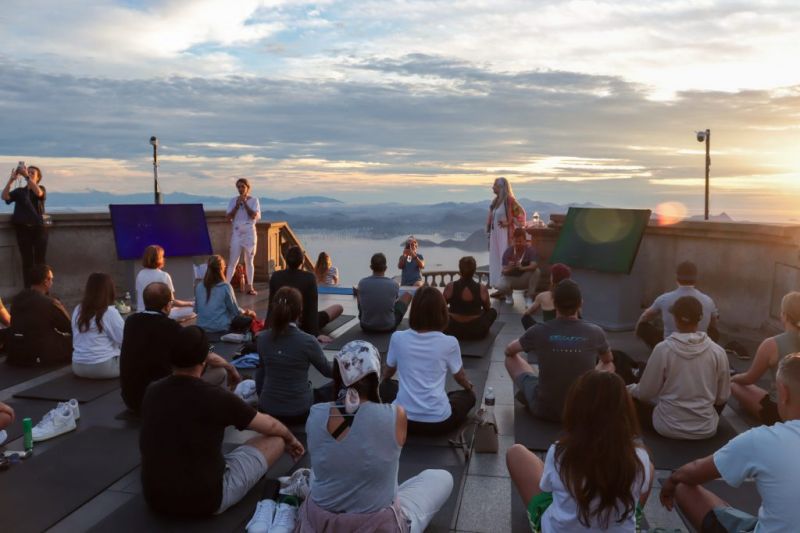
Photo: Guilherme Ferreira / Blumar DMC
What does MICE mean in tourism?
MICE stands for Meetings, Incentives, Conferences, and Events (sometimes Exhibitions). It refers to the segment of the travel industry focused on structured business travel and group programs, as opposed to individual leisure tourism.
Is Brazil a good destination for MICE events?
Yes. Brazil ranks among the top destinations worldwide for international association events and leads Latin America in the segment. It combines world-class venues and infrastructure with cultural and natural diversity that few destinations can match, making it strong for meetings, incentives, conferences, and events alike.
Which is the best city in Brazil for business events?
São Paulo is the primary hub for large corporate events, trade fairs, and international delegations, offering the deepest concentration of convention infrastructure. Rio de Janeiro is ideal for congresses and events that benefit from iconic scenery, anchored by Riocentro. Brasília is among the leading Brazilian destinations for business tourism and suits governmental and association events.
How far in advance should I plan a MICE program in Brazil?
For significant programs, six to twelve months ahead is ideal. This window allows a local partner to secure the best venues, accommodation blocks, and suppliers, and provides flexibility around high season and major events.
Why work with a local DMC for a MICE event in Brazil?
A local destination management company provides on-the-ground expertise, established supplier relationships, venue negotiation power, logistics coordination, and contingency planning. Across a country the size of Brazil, this consolidates the entire operation under one accountable partner and reduces risk significantly.