Português
 English
 Español
 Français
 Deutsch
 Italiano
 日本語
日本語
 العربية
 中文
中文
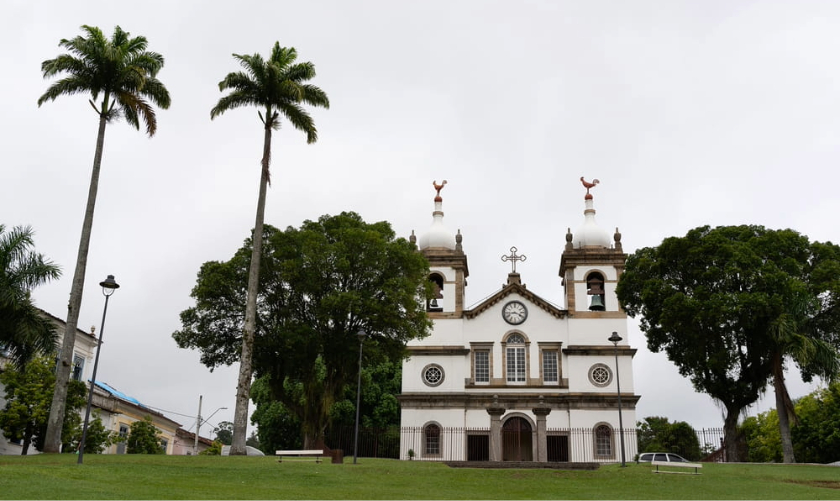
A lot of Rio de Janeiro itineraries never leave the city: beach, Sugarloaf, Christ the Redeemer. Less than two hours inland, though, there's a valley that produced much of the world's coffee in the 19th century and financed the Brazilian Empire. Its manor houses are still standing, and many are still lived in and cared for by private families.
The Coffee Valley (Vale do Café) is the stretch of the Paraíba do Sul valley around Vassouras and Valença, in Rio de Janeiro state, where 19th century coffee barons built their estates. Blumar now operates it as a new product in two formats: a full day trip from Rio, running Wednesday to Sunday, and a two day, one night programme with an overnight stay on a working coffee farm and a visit to an award-winning goat cheese creamery. Our team tested both in person before adding them to the portfolio.
What the Coffee Valley is, and why it matters
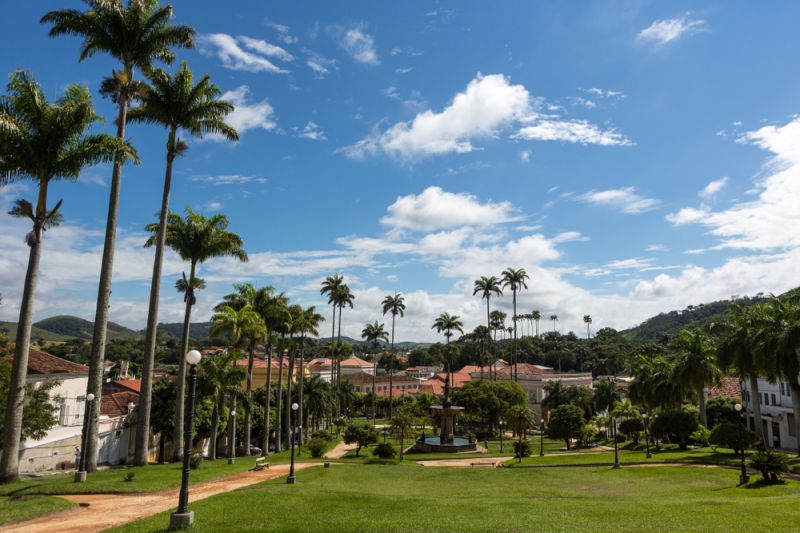
Photo: PARALAXIS / Shutterstock.com
For a good part of the 1800s, coffee was Brazil's economy, and the Paraíba valley was at the very heart of that story. It shaped the economy and the landscape of the whole region, and the money it made built the estates, manor houses and furnishings you can still visit today.
That wealth had a cost that the itinerary does not skip over. The plantations ran on the labour of enslaved Africans, brought to the region in huge numbers. At Fazenda Cachoeira Grande alone, the future Baron of Vassouras kept around 250,000 coffee trees worked by 147 enslaved people and 15 children. The manor houses and museums that remain today are a direct legacy of that period, carrying both the prosperity it created and the human cost behind it.
What makes the region unusual is how much survived. Many estates are still privately owned and lived in, and the region keeps a rare collection of manor houses, historic estates and house museums. If you want the wider picture of coffee tourism across the country, we covered it in 18 places to experience coffee tourism in Brazil.
The route at a glance
Programme 1: Coffee Valley Day Trip
Vassouras and the Barons' Legacy. Full day from Rio de Janeiro, about 10 hours.
We leave Rio heading inland toward Vassouras, crossing the Serra do Mar into the rolling hills of the Paraíba do Sul valley.
Fazenda Cachoeira Grande
The first stop is Fazenda Cachoeira Grande, the estate that was the first home of the Baron of Vassouras, Francisco José Teixeira Leite, who received the land in 1820 as a dowry. The main house, 1,200 m² built in the shape of a T, has been in restoration and private ownership since 1987.
The estate's local host welcomes the group and explains how the plantation once ran, what daily life looked like in the 19th century, and the steps behind growing and processing the coffee that made this valley's name. Inside, the guided visit covers the rooms, the period furniture, the chandeliers and the imperial insignia. Outside, there are gardens, a lake, century-old trees, an old railway carriage and a sundial. It ends the way it should, with a cup of the region's own coffee.
Lunch and the Casa da Hera Museum
Lunch is at one of three partner restaurants in the region (not included in the programme). In the afternoon we visit the Casa da Hera Museum, one of the most complete 19th century house museums in Brazil, run by the federal museums institute, Ibram.
The house was home to Eufrásia Teixeira Leite, and her story is worth knowing before you go. Born in Vassouras in 1850, she moved to Paris at 23 with her sister after inheriting the family fortune, and instead of living off it she invested it, on the Paris stock market, and multiplied it. She lived in Europe for most of her life but never allowed her parents' house in Vassouras to be changed. That's why everything inside remains original. When she died in 1930 she left her fortune to charitable and educational causes in her home town.
The day trip runs Wednesday to Sunday, because the museum is closed on Mondays and Tuesdays.
Programme 2: Coffee Valley Overnight
Historic Estates, Farm Life and Artisanal Cheese. Two days, one night, from Rio de Janeiro.
Day one follows the day trip route: Fazenda Cachoeira Grande, lunch and the Casa da Hera. In the late afternoon, instead of heading back to Rio, the group transfers to Hotel Fazenda Florença, in Conservatória, in the municipality of Valença.
Hotel Fazenda Florença
Florença is a farm hotel built around its own coffee history. The main house dates from 1852, from the height of the imperial coffee era, and still holds its collection of original furniture and everyday objects from the period. The hotel operates on a full board basis.
Two guided visits sit at the centre of the stay. One goes through the main house. The other walks guests through the working coffee fields and ends at a coffee house built in the middle of the field, with a tasting of the estate's specialty coffee and a package to take home.
Capril do Lago
On day two, after breakfast and a free morning at the property, the group heads to Capril do Lago, a small artisanal goat farm and creamery beside a lake in Valença. The visit is led by the cheesemakers themselves: guests meet the herd, take part in milking, bottle-feed the baby goats and close with a guided tasting of the farm's award-winning cheeses.
Those cheeses are not a sideshow. In April 2026, Capril do Lago's Sapucaia was named the best goat cheese at the 4th Mundial do Queijo do Brasil, the world cheese competition held in São Paulo, against entries from 18 countries. The farm has collected more than 70 medals over the years.
The overnight departs Sunday to Thursday. On Monday and Tuesday departures the Casa da Hera is left out, because it's closed, and on Sunday departures the museum only opens until 2pm.
Two formats, side by side
Which days each programme runs
The museum's calendar drives most of this, so it's worth checking before you quote a date.
| Day | Programme 1 (day trip) | Programme 2 (overnight) |
|---|---|---|
| Monday | Not operating | Departs, without Casa da Hera |
| Tuesday | Not operating | Departs, without Casa da Hera |
| Wednesday | Operates | Departs, full programme |
| Thursday | Operates | Departs, full programme |
| Friday | Operates | No departure |
| Saturday | Operates | No departure |
| Sunday | Operates (museum until 2pm) | Departs, museum until 2pm |
Why we are adding it to our portfolio
Our team went to the Coffee Valley and did both programmes from start to finish before adding them to our portfolio: the estates, the museum, the restaurants, the hotel and the creamery. That firsthand assessment is the basis of our recommendation.
What stayed with us was the welcome. We were warmly received at every property, and that is part of what sets this experience apart. There's also something hard to put into a proposal: standing on ground where so much of Brazil's history unfolded. The quality of the hospitality, the food and the activities reinforces that sense of stepping back in time, and it is this mix of historical weight and genuine rural hospitality that makes the Coffee Valley a distinctive way to experience the countryside of Rio de Janeiro state.
And it is near. At less than two hours from Rio, it offers something the city itself can't: a historic, rural experience centred on 19th century heritage, gastronomy and local culture, well outside the usual beach and city circuit.
Who to sell it to
How to fit it into a Rio itinerary
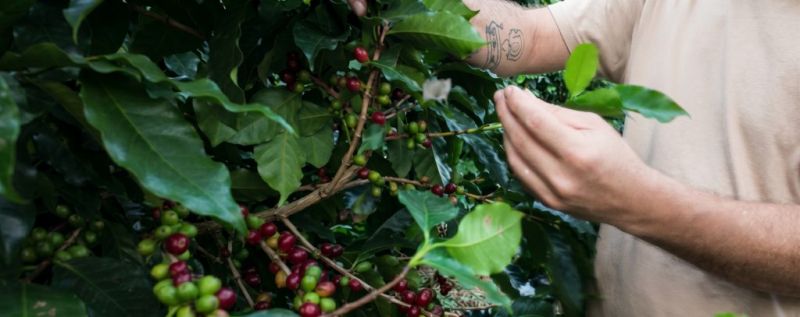
Photo: Disclousure / Blumar DMC
- Four nights or more in Rio: swap one city day for the day trip for a completely different side of Rio de Janeiro state.
- Slower trips: the overnight adds a night on a coffee farm and the creamery visit, and returns to Rio on day two.
- Check the weekday first: the day trip needs a Wednesday to Sunday date, and the overnight works best departing Wednesday or Thursday for the full programme.
- Brief the client on the history: the region's past includes slavery, and the itinerary does not set that history aside. It helps to mention it when you present the tour.
- Remind them about lunch: it is not included on the day trip, and Florença operates on full board.
We recommend it without reservation. For rates and availability, get in touch with your usual Blumar contact.
Posts you might also be interested in:
- The Best Places to Watch the Sunset in Rio de Janeiro
- 11 Must-See Attractions in Rio de Janeiro
- One-Day Itinerary to Explore Lapa in Rio de Janeiro — Including Santa Teresa
- Romantic Places to Visit in Rio de Janeiro: Unforgettable Experiences with Blumar DMC
- What Is the Best Time to Visit Rio de Janeiro?
- Best Beaches in Rio de Janeiro: Complete Guide with Itinerary and Tips
FAQ – Coffee Valley: Day Trip or Overnight Experience from Rio de Janeiro
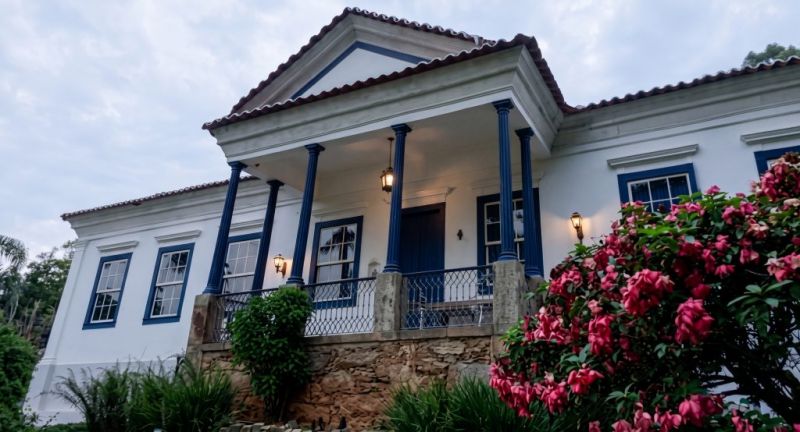
Photo: Disclousure / Blumar DMC
1. What is the Coffee Valley in Rio de Janeiro?
The Coffee Valley, or Vale do Café, is the part of the Paraíba do Sul valley in Rio de Janeiro state, around towns like Vassouras and Valença, that produced much of the world's coffee in the 19th century. It is known for historic coffee estates, manor houses and house museums, many still owned and cared for by private families.
2. How far is the Coffee Valley from Rio de Janeiro?
The Coffee Valley is less than two hours by road from Rio de Janeiro. That is why it works as a full day trip, which takes about 10 hours.
3. Can you visit the Coffee Valley as a day trip from Rio?
Yes. Blumar's Coffee Valley Day Trip leaves from Rio, visits Fazenda Cachoeira Grande and the Casa da Hera Museum in Vassouras, stops for lunch at a partner restaurant and returns the same day. It runs Wednesday to Sunday.
4. Which days does the Coffee Valley day trip run?
Wednesday to Sunday. The Casa da Hera Museum is closed on Mondays and Tuesdays, so the day trip does not operate on those days. On Sundays the museum closes at 2pm.
5. Is lunch included in the Coffee Valley tours?
Not on the day trip, where the lunch stop is at one of three partner restaurants in the region. On the overnight programme, Hotel Fazenda Florença operates on a full board basis.
6. What is Fazenda Cachoeira Grande?
A historic coffee estate in Vassouras that was the first residence of Francisco José Teixeira Leite, the Baron of Vassouras, who received the land in 1820. Its T-shaped main house of 1,200 m² has been in restoration and private ownership since 1987, and the guided visit covers the interiors and the grounds.
7. Who was Eufrásia Teixeira Leite?
The daughter of a wealthy Vassouras coffee family, born in 1850. She moved to Paris at 23, multiplied her inheritance through her own investments and never allowed her family home, now the Casa da Hera Museum, to be altered. She left her fortune to charitable and educational causes in Vassouras when she died in 1930.
8. What does the Coffee Valley overnight include?
Day one follows the day trip route and ends at Hotel Fazenda Florença, a coffee farm hotel in Conservatória, Valença, with full board, a guided visit to the 19th century main house and a coffee field walk with a specialty coffee tasting. Day two includes a free morning and a visit to the Capril do Lago goat farm and creamery.
9. What happens at Capril do Lago?
It is a small artisanal goat farm and creamery beside a lake in Valença. The cheesemakers lead the visit: guests meet the herd, take part in milking, bottle-feed the baby goats and finish with a guided tasting. Its Sapucaia cheese was named the best goat cheese at the 4th Mundial do Queijo do Brasil in 2026.
10. Is the Coffee Valley good for families with children?
Yes, especially the overnight. Milking, feeding the baby goats and walking through the coffee fields are hands-on activities that tend to work well for children.
11. Does the tour address the history of slavery in the region?
Yes. The coffee economy of the Paraíba valley depended on the labour of enslaved Africans, and the itinerary does not set that history aside. The estates and museums carry both the prosperity of the period and its human cost.
12. How do travel agencies book the Coffee Valley with Blumar?
Through their usual Blumar contact. Both programmes depart from Rio de Janeiro and can be added to a Rio itinerary, as a day trip or as a two day, one night extension.