Português
 English
 Español
 Français
 Deutsch
 Italiano
 日本語
日本語
 العربية
 中文
中文
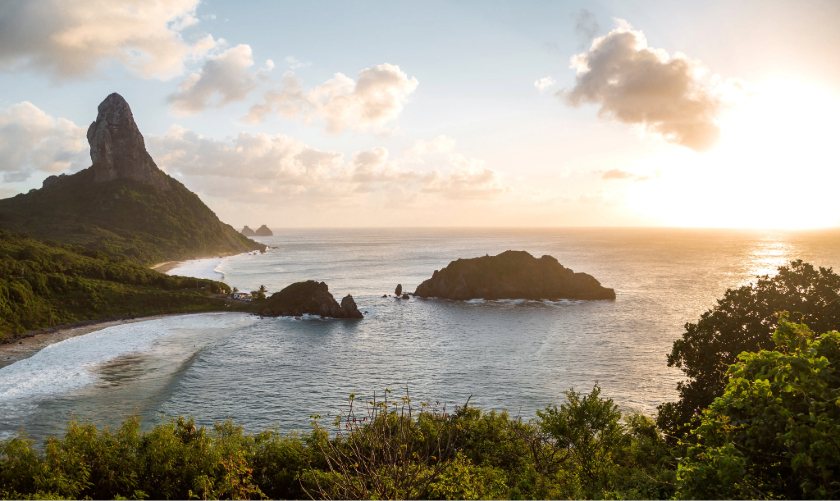
Carolina Hue, Sales Manager at Blumar DMC, prepared a thorough report on her incredible trip to Fernando de Noronha, highlighting the ultimate way to experience this iconic paradise. Read the full report on this fascinating journey below.
Visiting Fernando de Noronha had always been at the top of my list! For reasons I can’t quite explain—despite having traveled extensively throughout Brazil—I had never been there. So this year, I decided to cross a few items off my bucket list and finally made it happen!
Getting to Know Fernando de Noronha
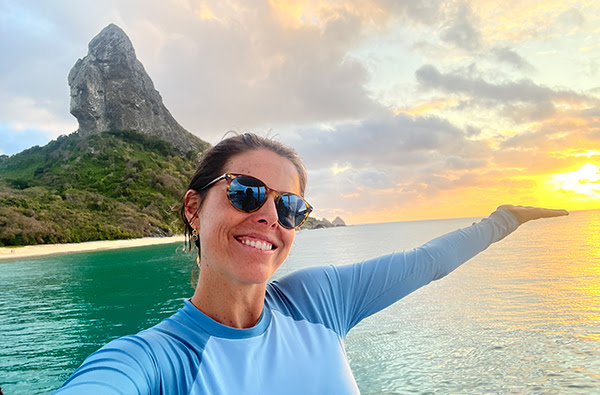
Photo: Carolina Hue / Blumar DMC
You know those places you go to with sky-high expectations and a little fear of being disappointed? Fernando de Noronha is one of those dream destinations… and let me tell you… what a place! Not only is it one of the most photogenic destinations in the world, but it truly is a magical island. Nothing I write here will do justice to the energy I found on that small piece of land in the middle of the Atlantic Ocean.
And the beauty above sea level continues when you dive in. What a new, colorful world beneath the surface. I saw so much… so many corals, countless fish, hundreds of dolphins. I swam alongside sea turtles, rays, and sharks (I still can’t believe that part!), listened to whales singing underwater, watched them breach above the surface, felt adrenaline rushes while bodysurfing, learned how to swim like dolphins—and by using that technique, I allowed myself to truly live the ocean, discovering its beauty and the serenity it can bring to your everyday life.
Fernando de Noronha is one of those unmissable destinations and a once-in-a-lifetime experience. Its well-preserved landscapes, untouched beaches, and vibrant marine life make it a dream destination for snorkelers and divers. Packing your snorkel is just as essential as packing your sunglasses! Adventurers can set off on thrilling hikes with breathtaking views of the island’s rugged terrain, passing incredible natural pools along the way. Those seeking tranquility will find comfort in its serene atmosphere and mystical energy.
I want to share some important information about the island with you—when to go, how to get there, where to stay, tours, and places to visit… all experienced firsthand.
Best Time to Travel
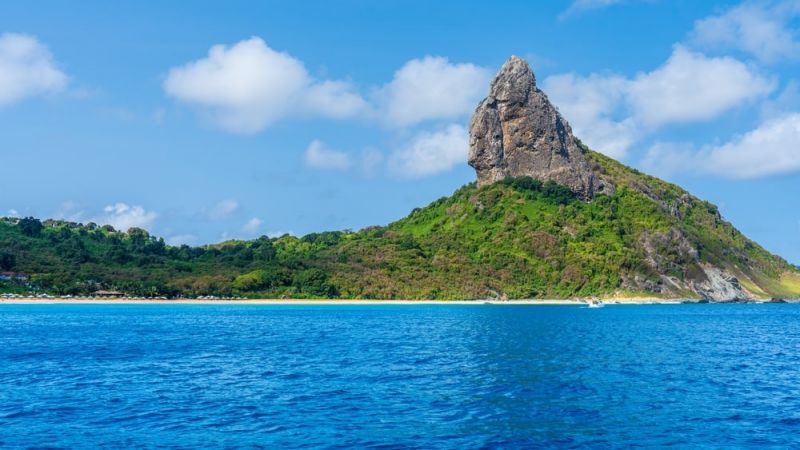
Photo: Giorgio G / Shutterstock.com
Choose the best time to go wisely because, although Noronha is often described as a year-round destination, it’s important to highlight a few details depending on your client’s priorities. Whether they want to enjoy the beaches, indulge in water activities, surf great waves, or observe wildlife, considering specific seasons can enhance the overall experience.
Beach Lovers and Water Activities
The ideal time for beachgoers and water-activity enthusiasts is during the dry season, typically from August to February. During this period, the weather is warm and sunny, with little rain and calmer seas. This creates excellent conditions for swimming, snorkeling, diving, and other water sports. Underwater visibility is at its best, making it perfect for exploring vibrant marine life and underwater caves. And I have to admit: the island is incredibly beautiful above sea level, but once you put your snorkel on, the underwater world gifts you with… turtles, sharks, so many fish and corals! It’s truly exhilarating!
Surfers
Also known as a beach paradise for surfers, those looking for the best waves should take advantage of the swell season, from December to March. During this period, waves are larger and more consistent, offering great surfing opportunities for both experienced surfers and beginners. It’s worth noting, however, that this is also peak tourist season, as it’s summer in Brazil.
Wildlife Enthusiasts
December to June is nesting season on the island, and for those interested in observing wildlife—especially sea turtles and dolphins—this is the ideal time (not that you won’t see them in other seasons, but this is the best period). During these months, you have a higher chance of witnessing sea turtles nesting on the beaches, and there are guided tours to observe dolphins and other marine creatures in their natural habitat.
Low Season
If I had to choose a time not to travel, I would say this is it. Even if prices may be a bit more attractive, I don’t think it’s worth the risk, since it’s a once-in-a-lifetime trip. The low season—or rainy season—runs from March to July. There may be occasional rain, accommodation and tour prices tend to be lower, and the island is less crowded. It’s essential to note that some activities may be limited during this period due to rougher seas and possible rain.
How to Get There / Arriving on the Island
.jpg)
Photo: Carlos Grillo / Shutterstock.com
There are direct flights 7 days a week to FEN departing from Recife, Fortaleza, and Natal.
For those interested in quick international connections, Recife, Natal, and Fortaleza offer international flight options with TAP and Air France (both to Europe) and LATAM (to the U.S.).
The airlines that fly to Fernando de Noronha are Azul Airlines and Passaredo (the latter operates in codeshare with LATAM).
It’s important to check this information regularly, as it may change from time to time.
Entry Requirements and Environmental Fees
Like all hidden paradises around the world, visitors should be aware of a few important details before planning a trip to the island. Responsible and sustainable tourism is essential to preserving the island’s beauty for future generations. By following entry requirements, booking regulations, and respecting the natural environment, you contribute to the ongoing conservation efforts that make this paradise a true Brazilian treasure.
Environmental Preservation Fee (TPA)
Before setting foot in Fernando de Noronha, all visitors are required to pay an Environmental Preservation Fee (TPA) to support the conservation of the island’s unique ecosystem. This fee is calculated based on the length of your stay and can be conveniently paid online through the official website of the Fernando de Noronha Environmental Protection Area (APA-FN):
Right after collecting your luggage—before exiting into the arrivals lounge—you will be asked to present proof of payment, so have it ready to be scanned (it’s a QR code). The same process happens at departure, since the government needs to confirm the visitor is leaving the island on the scheduled date. All passengers must line up upon entering the departure lounge to scan the QR code, confirming the end of their visit.
ICMBio Fee – Booking Trails and Beach Visits
Fernando de Noronha Marine National Park covers 70% of the archipelago. While this fee is not mandatory to enter the island, most tourists will need to pay it—otherwise, they won’t be able to access some of the island’s most famous attractions.
Well-known activities such as the Island Tour, Boat Tour, and certain stop areas are inside the National Park and, therefore, you can only participate if this fee has been properly paid. Payment can be made online through this link, though you also have the option to pay locally. The current amount for foreigners is R$ 358.00 per person (subject to change without prior notice) and is valid for 10 days from the first day of use.
Paying online allows you to pre-book some of the most popular trails, which have a limited number of daily visitors. During peak season, you may not find availability if you try to book locally.
Tours / Experiences
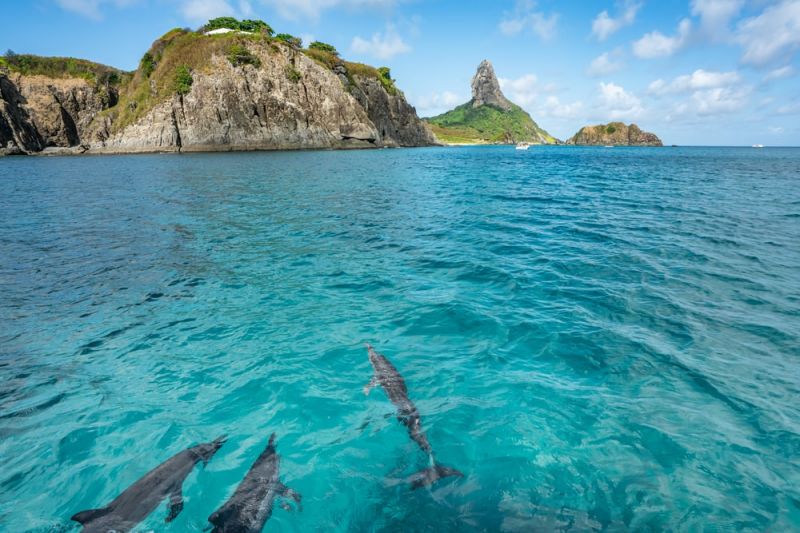
Photo: Paula Montenegro / Shutterstock.com
I did many tours during my visit, and below is a summary of them all. I’ll start with something truly unique, which I “accidentally” scheduled for my first day—and I couldn’t have imagined a better welcome. I’m happy to say we’ll be able to offer this experience to our clients. And I encourage those who are interested and have the time to challenge themselves. IMUA is transformative.
IMUA, Escola do Mar Noronha - Its name, meaning “move forward” in Hawaiian, perfectly captures the adventurous spirit and deep connection to the ocean at the heart of this institution.
It offers a wide range of courses and programs for individuals of all ages and backgrounds—from snorkeling and diving classes to marine biology and ecological preservation workshops. Half-day experiences are also available for visitors who are on the island for leisure and don’t have time to immerse themselves in a longer program. I had the privilege of experiencing the “Infinite Journey” on my first morning, and it was the best possible start to my trip. The purpose of this experience is to help us deepen our connection with the sea. The tour was coordinated and led by the school’s owner, our marine instructor Henrique Pistilli, also known as the “Fish Man.”
Our meeting point was scheduled for 8:00 a.m. at Cacimba Beach.
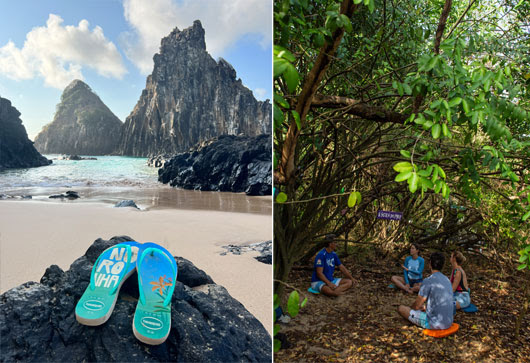
Photo: Carolina Hue / Blumar DMC
We began the day being welcomed into our “classroom,” in the middle of the beach vegetation. We had an introductory session of about an hour where we had the opportunity to listen and talk about ourselves, our fears, and our fascination with the ocean. Our instructor taught us how our breath mirrors the movement of the sea before we were challenged with what I call one of the most incredible and defining experiences of my life: swimming through and between the Two Brothers Rocks while tracing the infinity symbol. The next three hours were spent in the water, swimming like dolphins and marveling—surprised at myself—on a transformative journey of discovery beneath the waves. Surprisingly, I didn’t feel the three hours pass while I was in the ocean. I had no other thoughts. It was the most peaceful and incredible moment I’d had in a long time. I felt safe, blessed, strong, and capable in a completely new and fascinating world under the sea.
Beyond its ocean-focused curriculum, IMUA encourages cultural exchange and community engagement. Visitors have the opportunity to connect with friendly locals and gain insight into the unique traditions and way of life that thrive in Fernando de Noronha. Whether you’re a beginner eager to explore the underwater wonders or an ocean enthusiast looking to deepen your connection, IMUA promises an unforgettable experience that celebrates the beauty and importance of the sea. And there’s nothing more special than experiencing this in a place as extraordinary as Noronha.

Photo: Carolina Hue / Blumar DMC
Island Tour - In my opinion, this is a must-do tour and should be done on your first full day on the island. The tour is done by land and can be private or shared (the shared version runs daily). It’s a full-day tour, lasting about eight hours, and covers the main attractions and beaches. There is time for a swim at Sancho Beach—repeatedly voted one of the most beautiful beaches in the world—and for snorkeling in the harbor area (we had the chance to swim with turtles, sharks, rays, and other species). It also includes a visit to the famous Raquel’s Hole, the Shark Museum—an extensive collection showcasing Fernando de Noronha’s marine fauna. Next, the stop at São Pedro Chapel offers beautiful views of the island. The tour ends with an incredible sunrise at Boldró Lookout.
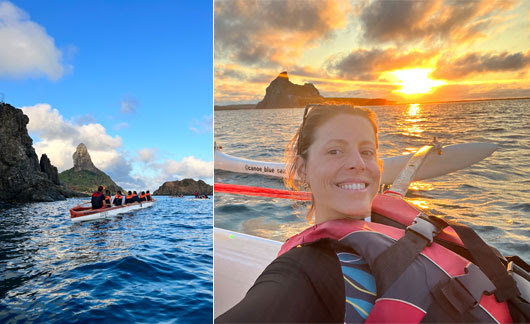
Photo: Carolina Hue / Blumar DMC
Hawaiian Canoe - This experience is offered in three daily time slots: 5:00 a.m. (sunrise), 8:00 a.m., and 4:00 p.m. (sunset).
I chose the 5:00 a.m. option—despite having to wake up very early, watching the sunrise over the ocean in Noronha is simply breathtaking. Since the tour returns to the hotel around 8:00 a.m., there’s still time to have breakfast and enjoy the entire day exploring. This experience draws from the navigation traditions of ancient vessels from the Polynesian Triangle. The expedition departs from Porto Beach, passing the impressive “Lion’s Roar” (a huge rock formation where, as the ocean rushes in and out, you hear a sound very similar to a lion’s roar), as well as Cachorro, Meio, and Conceição beaches, with a stop for a swim. On the way back, we were blessed with hundreds of dolphins following us for a few minutes.
Morning Boat Tour - This is considered one of the island’s most traditional tours (along with the Island Tour). I was picked up at 7:30 a.m. for a transfer to the pier, where you must present proof of payment for the Marine National Park, since this tour includes a swim stop at Sancho Bay—one of the beaches within the Marine Park area that requires the fee to access.
We received a safety briefing when boarding and were introduced to the crew. As navigation begins, you can spot small islets. The highlight of this trip is the welcome by spinner dolphins, which follow the boat for a while and put on a show! It’s a classic moment everyone looks forward to. The boat also passes Lion Rock, Two Brothers Hill, and Sapata Point. On the way back, you’ll have time for snorkeling at Sancho Bay, repeatedly voted one of the most beautiful beaches in the world.
Afternoon Boat Tour - This tour visits nearly all the same places as the Traditional Morning Boat Tour. Pick-up starts at 2:00 p.m. at the hotel to collect passengers for the transfer to the pier. The difference is that this one is a bit more adventurous (and we didn’t see dolphins). However, it offers an exciting experience: Plana Sub, where you are towed by the boat while holding a hydrodynamic board, and—using masks and snorkels—you have the chance to observe the impressive marine life. The activity happens in shifts with groups of eight at a time, and each group has about 20 minutes to explore. After that, the boat continues cruising past famous beaches while we wait for the sunset, as the crew prepares a local fish for everyone before returning to the pier.
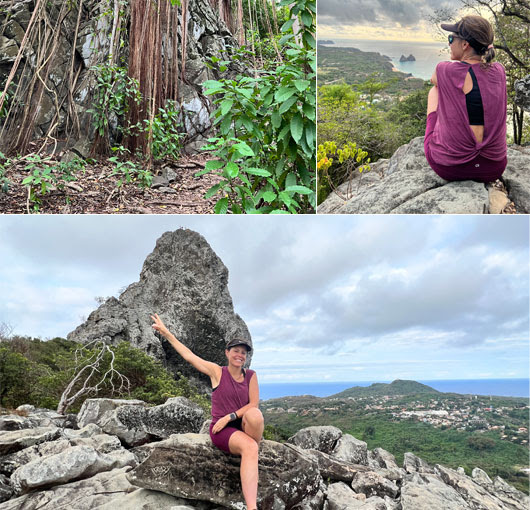
Photo: Carolina Hue / Blumar DMC
Piquinho Trail - The trail starts right next to Pousada Teju Açu. Many locals do this hike to watch the sunset, because from the top the nearly 360° view of the island is truly unique! It’s a shaded trail through vegetation up to the base of Piquinho Hill. We strongly recommend hiring a local guide, as there aren’t many signs and the return route in the dark can cause you to get lost.
Atalaia Trail - One of the island’s most popular trails, it offers an unmatched opportunity to explore the island’s underwater treasures while snorkeling. Due to its popularity and the need to preserve coral reefs, a limited number of visitors are allowed each day. It is recommended to book well in advance.
Suggested Places to Visit
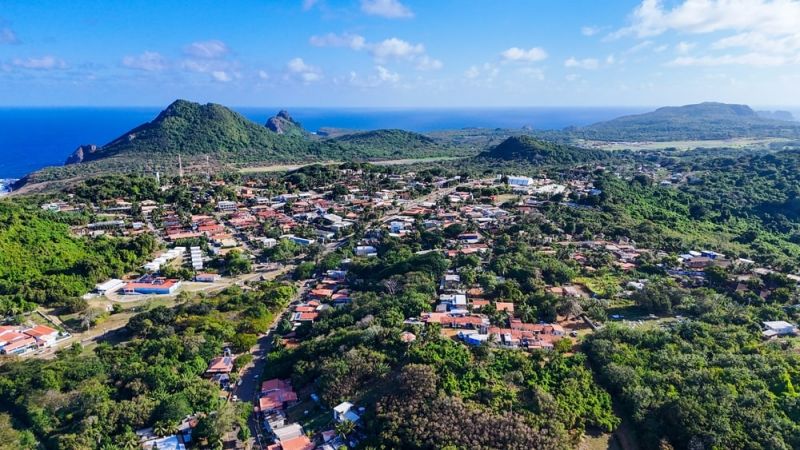
Photo: rafaelnlins / Shutterstock.com
Vila dos Remédios - The village serves as the cultural and historical heart of Fernando de Noronha. It’s where you’ll see locals, and it offers a variety of restaurants and shops. Even if you don’t plan to go, you’ll end up passing through or driving by it!
Forte Nossa Senhora dos Remédios - This historic fort, dating back to the 18th century, offers a glimpse into the island’s past. It’s an excellent place to learn and enjoy panoramic views. It was recently renovated and features an immersive presentation about the island’s history. There are often happy-hour events with live music starting at sunset. Admission is free and varies day by day depending on the attraction.
Projeto Tamar - A conservation center dedicated to sea turtles, Projeto Tamar offers educational exhibits and the chance to see rescued turtles up close. It is a vital organization in preserving the island’s marine ecosystem.
Beaches
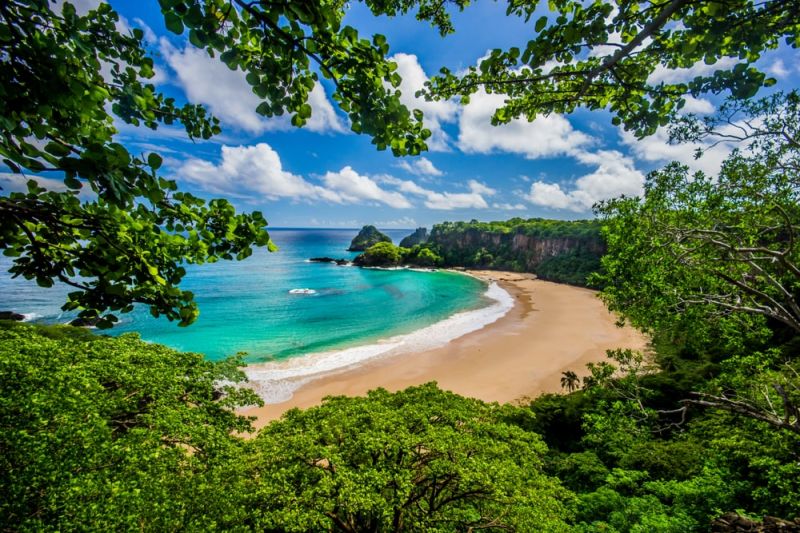
Photo: Andre Maceira / Shutterstock.com
Sancho Beach - Frequently ranked among the most beautiful beaches in the world, Sancho Beach boasts golden sand, dramatic cliffs, and excellent snorkeling opportunities in its turquoise waters. I admit the beach impressed me even more when I reached it by land than by sea. Access is via trails and two flights of ladders between rocks. For small children, seniors, pregnant women, and adults with mobility difficulties, I would recommend reaching the beach by sea.
Baía dos Porcos - This picturesque cove is famous for its unique rock formations, including the iconic “Two Brothers” hills. It’s an excellent spot for swimming and sunbathing. This was the most beautiful beach in my opinion. To reach the bay, you need to do a short trail and wear helmets. Access by trail is allowed in groups of 50 people per hour. No advance booking is required. It’s also possible to reach the beach by swimming from Cacimba.
Cacimba do Padre - Known for its powerful waves, Cacimba do Padre is a paradise for surfers. The beach also offers an impressive view of Morro do Pico, the highest point of the archipelago, and the stunning Two Brothers hills in the background.
Conceição Beach - A calm beach with gentle waves, Conceição Beach is perfect for relaxing and swimming. It is conveniently located near Vila dos Remédios, the island’s main village.
Meio Beach and Cachorro Beach - Side by side, these are two beaches easily accessed by car and centrally located near Vila dos Remédios. A great spot for incredible photos in natural pools with a view of Morro do Pico. You can also walk from here to Conceição Beach along the sand.
Sueste Beach - Located in a protected marine area, Sueste Beach is a prime spot for snorkeling with sea turtles and various fish species. It is part of the Marine National Park of Fernando de Noronha. At the moment, it is closed for swimming, but access to the sand is still allowed. It is located on the other side of the island, a bit farther away, near Nannai and Pousada Maravilha.
Accommodation Highlights
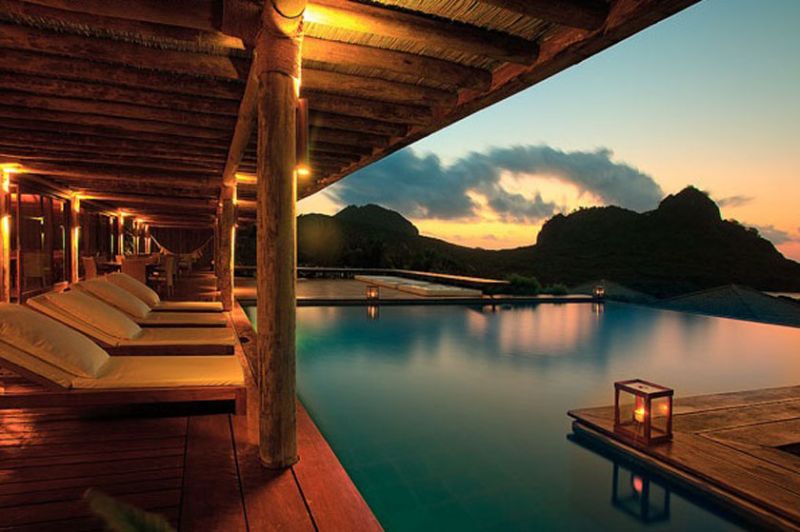
Photo: Disclousure / Pousada Maravilha
Nannai Noronha Solar dos Ventos ⭐⭐⭐
.jpg)
Photo: Disclousure / Nannai Noronha Solar dos Ventos
We waited so long for its opening, and it is certainly my personal favorite hotel! However, I must say it is not my favorite location.
Nannai has only 10 rooms in total, divided into four categories. Even the entry-level room is wonderful!
Categories: 4
-
2 Garden Rooms – approx. 30 m²
-
2 Sea-View Bungalows – approx. 50 m²
-
4 Oceanfront Bungalows – approx. 50 m²
-
2 Master Bungalows – approx. 75 m²
Location: For me, this is the only negative point. Although the view is wonderful, it is located at the far end of the island, in a more isolated area. The hotel faces Sueste Beach, but to reach the beach you need to walk about seven minutes downhill (and remember: the way back is uphill!). This beach is managed by ICMBio and you must show proof of payment of the fee to enter. Swimming at Sueste has been restricted due to the high presence of sharks.
Breakfast and afternoon tea are included in the daily rate.
The hotel’s restaurant is also unmissable and open to the general public. I had an incredible lunch there after my inspection on the day I arrived—what a welcome! Even if you’re not staying at Nannai, having lunch there is worth the experience. Reservations are recommended.
Pousada Maravilha ⭐⭐⭐⭐
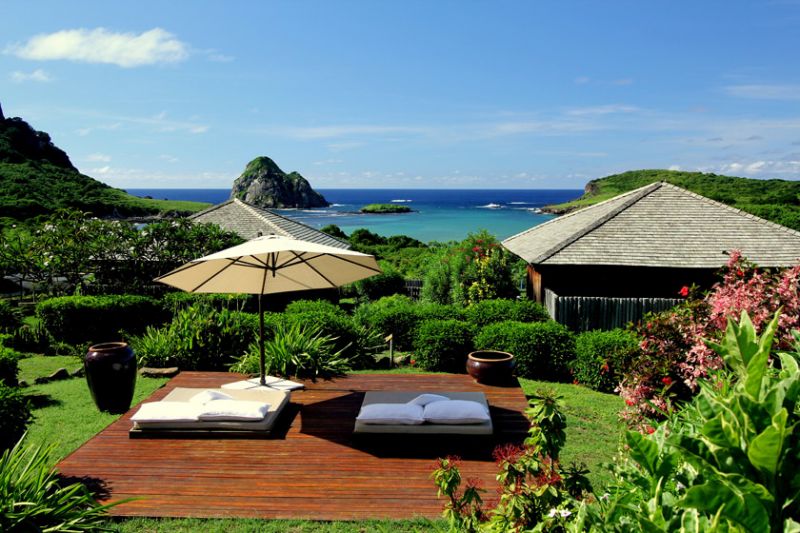
Photo: Disclousure / Pousada Maravilha
Although it is a pleasant inn, it wasn’t quite as much as I expected, especially because of the location. If I were staying on that side of the island, I would prefer Nannai, which is next door.
The inn has 11 rooms in total, divided into five categories:
-
1 Studio – a very small room with a low ceiling, ideal for couples who want to stay in a nice property without spending too much on accommodation.
-
3 Deluxe Rooms – accommodate up to four people; outdoor shower; mezzanine with two single beds. Ideal for couples with children over 10, as the stairs to the mezzanine can be a bit dangerous for small children.
-
1 Garden Suite – very spacious, with a King bed and can fit an extra single bed. Ideal for couples with one child. Cozy deck with jacuzzi. Private garden, but no ocean view.
-
1 Maravilha Suite – newest room, 35 m², balcony overlooking the beautiful view of Sunset Beach, located on an upper level.
-
5 Bungalows – 54 m² each, all with ocean views, outdoor shower, and an ofurô soaking tub. Although spacious, they are for two people only.
Location: Sueste Beach, next to Nannai—ocean-facing, but requires a seven-minute downhill walk to the beach. This beach is ICMBio-controlled, and you must show proof of payment to enter. Swimming at Sueste has been restricted due to the high presence of sharks.
Pousada Maria Bonita ⭐⭐⭐⭐
.jpg)
Photo: Disclousure / Pousada Maria Bonita
A good inn with two floors and a small pool. Not much garden space. Ideal for guests who want a good room that is not on the ground floor.
12 rooms – 4 categories. Total capacity: 34 people. Very well located in Floresta Nova. Sophisticated décor featuring Brazilian elements and artists.
Bathrooms are small but elegant. The hotel does not have a restaurant for lunch or dinner—only breakfast—but it is centrally located and within walking distance of a good variety of restaurants.
Pousada Maria Flor ⭐⭐⭐⭐
.jpg)
Photo: Disclousure / Pousada Maria Flor
Same owners as Maria Bonita and very similar décor, featuring Brazilian elements and artists. Slightly more spacious common areas. Twelve rooms in two categories, very similar, one on the lower floor and one on the upper floor. Total capacity: 25 people.
Very well located in Floresta Nova and within walking distance of restaurants. None of the rooms have ocean views.
Bathrooms are larger than at Maria Bonita. A positive highlight is that this one has a restaurant for pool snacks, lunch, and dinner.
Pousada Da Praia ⭐⭐⭐
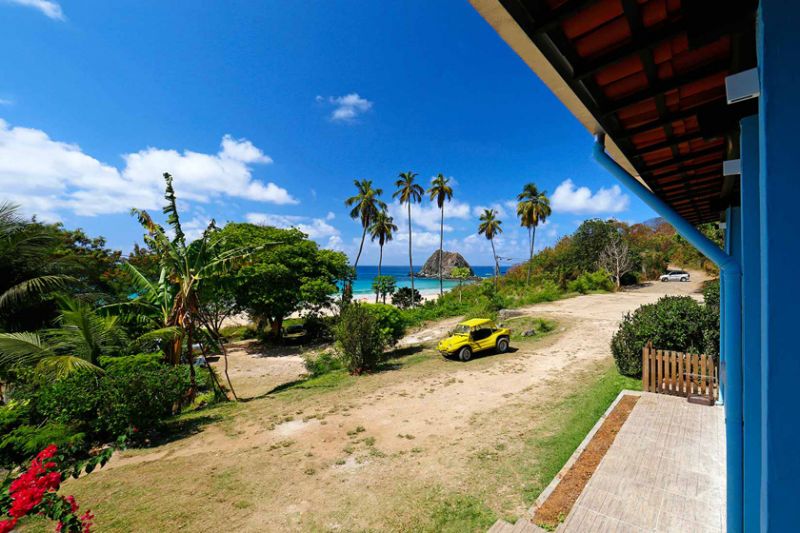
Photo: Disclousure / Pousada Da Praia
A total of five rooms: three upstairs (Blue, Yellow, and Pink) and two on the ground floor (Red and Orange). Maximum capacity: 13 people.
This was a pleasant surprise. The entrance is a bit strange and may give the first impression that you’ve arrived at the wrong place. The exterior has no sign with the hotel name or a proper reception. It’s a simple house, with a neighbor who doesn’t take great care of their garden, which creates a poor first impression. However, I must say it was a very good surprise. The rooms are simply beautiful—very well decorated and categorized by colors. High-quality bedding and towels.
The highlight is that this is the only inn just 50 meters from the beach. You step out and you’re ideally located on Conceição Beach, with Morro do Pico to your left and Bar do Meio to your right. It’s one of those places where, if you want to go into the ocean at night, you’re right next to your room.
Casa Amarela ⭐⭐⭐⭐
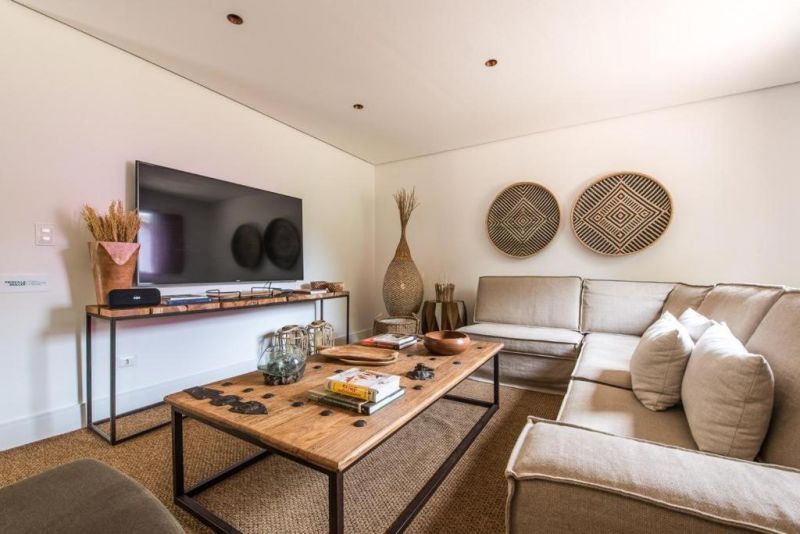
Photo: Disclousure / Casa Amarela
This is a private villa managed by the same group as Pousada Maria Bonita and Maria Flor. It offers three spacious suites with fully equipped bedrooms and bathrooms. The house can accommodate up to eight people. Rooms can be twin or double, and two rooms can be triple.
The villa includes a living room, fully equipped kitchen, daily breakfast, and concierge service. Very well located, just a five-minute walk from Cachorro and Meio beaches and close to several restaurants and bars—ideal for families or small groups of friends traveling together.
Pousada do Vale ⭐⭐⭐
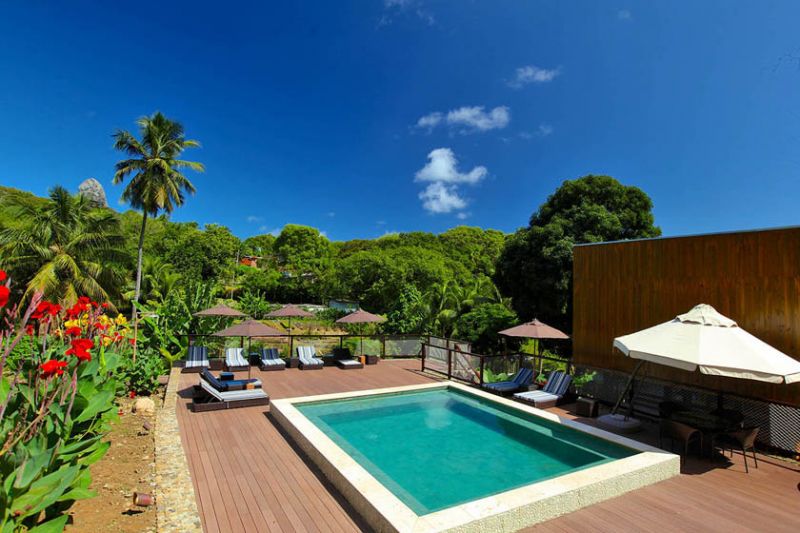
Photo: Disclousure / Pousada do Vale
The property grounds are truly impressive, immersed in the Queen Elizabeth gardens, surrounded by rich native forest. The inn is 150 meters from Vila dos Remédios (the island center) and a short five-minute walk via a native trail to the sea.
Service is exceptional, and its restaurant is considered one of the best on the island, featuring many dishes made with ingredients following a farm-to-table concept. The pool area is very pleasant. Daily rates include breakfast and afternoon tea.
There are 15 rooms divided into five categories:
-
Standard Suite – 2 units; smallest rooms, 25 m², private balcony, King bed, and full amenities.
-
Superior Suite – 7 units; similar to Standard but 30 m².
-
Premium Suite – 3 units.
-
VIP Suite – 1 unit.
-
Master Suite – 2 units.
Despite being close to Vila dos Remédios, the inn is reached via a 150-meter cobblestone incline. Great location, but it does not offer ocean views.
Pousada Morena ⭐⭐⭐⭐⭐
.jpg)
Photo: Disclousure / Morena Pousada
Overall, this was probably my favorite property, as it combines excellent facilities and service with a much more central location (compared to competitors such as Nannai and Pousada Maravilha, located on the other side of the island).
Pousada Morena is located in Vila Nova, centrally positioned with an iconic view of Morro do Pico and nearby conveniences such as a market and restaurants within walking distance.
The property is beautiful and very well maintained. Excellent pool and relaxation area. Rooms are spacious, comfortable, and tastefully decorated. It offers connecting rooms for families traveling with children.
Daily rates include breakfast and afternoon tea.
It belongs to the Ekos Luxury Hotels group, which also has the following properties on the island:
-
Pousada Paraíso: the most affordable option, located in Vila dos Trinta, about an 18-minute walk to the beach.
-
Pousada Colina: similar to Pousada Morena. Located in Vila dos Trinta, about a 15-minute walk to the beach.
-
Pousada Hamares: the newest Ekos property, recently opened and still operating in soft opening. It promises to be a new high-end property with significant investment from the group. (I didn’t visit this one because it wasn’t available for inspections.)
Pousada Zé Maria ⭐⭐⭐⭐
.jpg)
Photo: Disclousure / Pousada Zé Maria
This is probably the most traditional hotel/inn on the island. Zé Maria is almost a celebrity in Noronha, and the gastronomic festivals held twice a week (every Wednesday and Saturday night) attract tourists from all kinds of hotels.
However, I must say it felt like the property is “frozen in time” when it comes to maintenance and décor updates. They have a great area, good staff and service, and a lot of potential, but the upkeep of the rooms and bungalows leaves something to be desired. On some days, towels were new and fluffy; on others, they were replaced by old, thin towels.
There are 22 rooms divided into four categories:
-
6 Standard Rooms – although they offer comfort and amenities, these rooms are extremely small and are located 80 steps below the pool area on the lower side of the property. The price jump to the next category (Bungalow) is huge, which explains a lot. It’s really for active guests who want hotel infrastructure but don’t want to spend much.
-
12 Bungalows – accommodate up to four guests and are ideal for families with two children. 55 m² with a balcony overlooking the forest or Morro do Pico.
-
3 Special Bungalows – accommodate up to five guests; spacious balcony, lounge area, jacuzzi, and ocean view plus Morro do Pico view. All three units are located near the pool area.
-
1 Deluxe Bungalow – the largest and newest room, closer to reception, total area 75 m². No ocean view, but an exclusive private garden.
The daily rate at Zé Maria includes breakfast only (although most luxury hotels also offer afternoon tea, Pousada Zé Maria has not adopted this idea; instead, guests staying on Sundays have a barbecue lunch included from 11:30 a.m. to 3:00 p.m.).
Restaurants
-
Teju Açu – Excellent food. I was impressed. Considered one of the best places to dine in Noronha. Open to the public; booking in advance is recommended. When you do, the hotel offers round-trip transfers.
-
O Pico – Great atmosphere and a varied menu with an ocean view. It didn’t impress me… I had high expectations but was disappointed with the food. However, the setting is great and the view is beautiful. It may have just been an off day—they said they had an issue with the chef.
-
Cacimba Restaurant – The best food we had during our days in paradise! A must.
-
Xica da Silva – A traditional restaurant very close to Pousadas Maria Bonita and Maria Flor. A good option for a classic lunch.
-
Shark Museum – We had lunch there during the island tour. Nice atmosphere, great view, and a good place for a daytime meal.
-
Zé Maria Restaurant – Famous for its buffet-style dinner on Wednesdays and Saturdays. Live music, karaoke competitions, and a wide variety of Brazilian and international dishes. Lively atmosphere with panoramic views. I didn’t eat there, so I can’t say much, but it seems a bit overcrowded because it’s very popular.
-
Do Vale – Located inside Pousada do Vale. Unfortunately, during our visit the restaurant was closed for renovations, but we toured the facilities and heard excellent feedback about the menu and service. The restaurant is supplied by its own organic garden, following the farm-to-table concept.
-
Boldró Lookout – The structure can be a bit shocking when seen from the sea: a large glass-front building that stands out in the natural surroundings. However, this recently inaugurated venue hosts major events and private parties, offering great infrastructure in a sophisticated environment. The menu is diverse with international options for all tastes.
-
Bella Pizza – Located in Vila dos Remédios; a good option if you want pizza and a break from seafood for the night.
-
Bar do Meio – Located between Meio and Conceição beaches, it is one of the busiest and most popular bars on the island. Beachfront, relaxed vibe, and a menu full of seafood delights. The perfect place for drinks and snacks in the ocean breeze. Live music is also available daily in the late afternoon.
Why Noronha (and Not Another Beach in Brazil)?
.jpg)
Photo: Bruno Lima / MTur
Marine Biodiversity: The archipelago is a UNESCO World Heritage Site and a marine sanctuary known for exceptional biodiversity. Snorkeling and diving enthusiasts can explore vibrant coral reefs, swim with dolphins, and witness an impressive variety of marine life, including sea turtles, sharks, and colorful fish.
Unspoiled Natural Beauty: Fernando de Noronha stands out for having some of the most untouched and well-preserved natural landscapes in the world. Crystal-clear waters, white-sand beaches, and lush vegetation make it a paradise for nature lovers.
Limited Tourist Impact: To preserve its natural beauty, Fernando de Noronha limits the number of visitors allowed on the island, ensuring a more exclusive and eco-friendly experience.
Sustainable Tourism: The local government has implemented strict environmental regulations to protect the fragile ecosystem. Visitors can take part in eco-friendly activities and learn about conservation efforts, contributing to the island’s sustainability.
Dolphin Watching: Fernando de Noronha is one of the best places in the world to observe dolphins in their natural habitat. Spinner dolphins, in particular, put on captivating shows as they leap and spin through the waves.
Rich History: Beyond its natural wonders, the archipelago has a rich cultural history, with remnants of Portuguese colonial-era architecture and historic sites.
Hiking and Outdoor Activities: The island’s rugged terrain can be explored through trails offering panoramic coastal views and unique rock formations, such as Morro do Pico—the highest point in the archipelago.
Legendary Sunsets: Sunsets in Fernando de Noronha are legendary, painting the sky in shades of orange and pink. Pairing these sunsets with the island’s natural beauty creates an unforgettable romantic atmosphere.
Relaxation and Serenity: With its limited number of tourists, Fernando de Noronha provides a serene, tranquil environment—living up to its nickname, the “Magical Island.”
Local Cuisine: Last but not least, Noronha also surprised me with great restaurant options—a blend of traditional Brazilian cuisine with a Noronha twist…
I’ll end here, hoping I’ve convinced you that this Brazilian archipelago is absolutely worth a visit. If you still have questions related to my report—or anything I didn’t mention—please don’t hesitate to ask!
I definitely want to come back to explore, relax, and swim more. Until then, I hope Noronha remains preserved and magical.
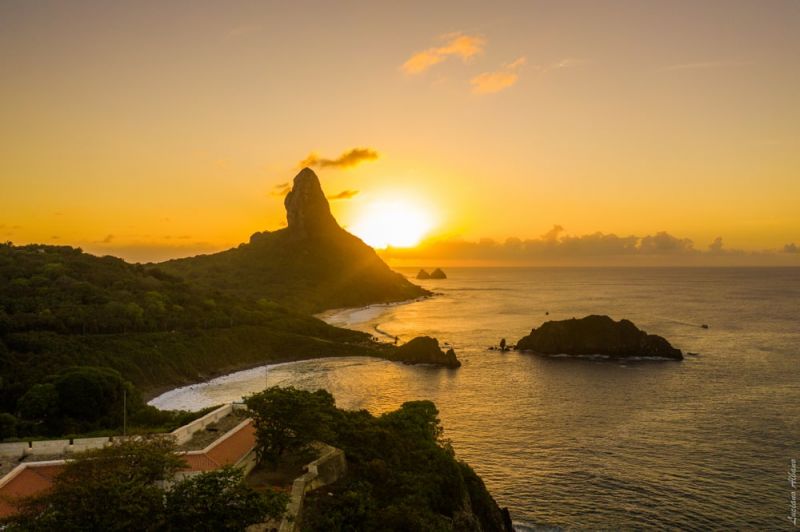
Photo: Luciano Albano / Shutterstock.com
Report prepared by specialist: Carolina Hue
Email: chue@blumar.com.br
Languages spoken: English, Portuguese
Before joining Blumar in 2003, Carolina’s professional experience included work in the hospitality industry and an internship at MGM Studios, one of Disney’s theme parks. As a Sales Manager, she has traveled the world visiting Blumar clients and attending trade shows to promote what she considers the most fascinating country in the world—Brazil!
Posts you might also be interested in:
- How Long Is Enough to Stay in Fernando de Noronha? Tips for Planning the Perfect Trip
- Beaches in Fernando de Noronha: A Complete Guide to Your Paradise Adventure
- Fernando de Noronha: The Brazilian Paradise
- Discover the Best Ecotourism Destinations in Brazil with Blumar DMC
- Brazil is Named Travel + Leisure’s Destination of the Year 2026
Fernando de Noronha Trip: Essential First-Time Guide (FAQ)
-min.jpg)
Photo: Luciano Albano / Shutterstock.com
1- What makes Fernando de Noronha worth it for a first-timer?
Fernando de Noronha is a protected Brazilian archipelago famous for crystal-clear water, dramatic beaches, and unforgettable marine life—ideal for snorkeling and diving (turtles, rays, reef fish, and often dolphins). Many of its most iconic spots sit inside the Marine National Park, which helps keep the island preserved and visitor numbers controlled.
2- When is the best time to visit Fernando de Noronha?
It depends on your travel style:
Beach lovers + snorkeling/diving (best underwater visibility)
-
Dry season: typically August to February (more sun, less rain; calmer seas are more common).
Surfing
-
Swell season: typically December to March (bigger, more consistent waves; also peak tourism months).
Wildlife watching (turtles/dolphins)
-
Typically December to June is known for turtle nesting, and dolphin sightings are often excellent year-round.
Months to avoid (if you want lower risk of rain/rough seas)
-
Rainier season: typically March to July, which can limit some activities depending on sea conditions.
3- How do I get to Fernando de Noronha?
Flights and routes can change, but Azul, LATAM, and GOL have operated routes to Noronha (with schedules varying by season and operational updates). For example, LATAM announced daily flights from São Paulo (Guarulhos) starting May 2025, and there were also updates involving Recife connections and route adjustments.
4- What fees do I need to pay before arriving?
There are typically two important fees:
- TPA (Environmental Preservation Fee) – mandatory for visitors
You pay based on length of stay. The official site shows the 2025 table (example: 1 day = R$ 101.33). You can pay online, but some international cards may need to pay at the airport desk. - ICMBio / Marine National Park ticket – needed for many top attractions
If you want access to park areas like Sancho, Baía dos Porcos, Atalaia, etc., you’ll need the park ticket. The official visitor page lists R$ 384.00 (general public) and R$ 192.00 (Brazilians, 50% discount), valid for 10 days.
5- Do I need to book trails in advance?
For popular, capacity-limited trails (often natural pools and sensitive reef areas), yes—book as early as possible, especially in high season. Some attractions require scheduling and may require a credited guide.
6- What should I pack for Noronha (first-timer essentials)?
-
Snorkel + mask (many visitors consider it as essential as sunglasses)
-
Reef-safe sunscreen, rash guard, and water shoes
-
Dry bag + waterproof phone pouch
-
Light hiking gear (for viewpoints and trails)
-
A plan for early mornings (sunrise experiences are a big highlight)
7- What are the must-do tours and experiences?
- “Island Tour” (by land) – best for Day 1
A full-day overview of beaches/viewpoints helps you understand logistics and decide what to repeat. - Boat tour (morning or afternoon)
Classic for scenery and wildlife moments (dolphins are a common highlight). - Sunrise or sunset canoe (Hawaiian canoe)
A high-impact experience for first-timers who don’t mind waking up early. - IMUA – Escola do Mar (ocean connection experience)
IMUA offers ocean-based experiences guided by Henrique Pistilli (“Homem Peixe”), focusing on deeper connection with the sea (great for travelers who want something transformative, not just “another tour”).
8- Which beaches are the best for first-timers?
A practical first-trip shortlist:
-
Praia do Sancho (iconic, often ranked among the world’s best; access can be demanding by stairs/trail)
-
Baía dos Porcos (photogenic cove + “Dois Irmãos” view)
-
Cacimba do Padre (surf vibe and strong scenery)
-
Praia da Conceição / Meio / Cachorro (easy access and great for sunset + photos)
Note: some areas can have restrictions depending on conservation rules and sea conditions—always check local guidance.
9- Where should I stay on your first trip?
In Noronha, location and logistics matter (hills, distances, and beach access rules). Many travelers choose:
-
Central areas (easier access to restaurants and beaches)
-
More secluded luxury stays (amazing views, but farther from the “action”)
If you’re traveling with family or a group, a villa-style stay can be more comfortable (privacy + concierge-style service).
10- Example trip scenarios (quick planning)
“I’m here for snorkeling.”
Go in the drier months, pay the park ticket early, and schedule Atalaia/park attractions ASAP.
“I want surf + vibe.”
Target December–March and book lodging/experiences earlier (higher demand).
“I want wildlife moments.”
Aim for December–June and include boat tours + sunrise outings.
11- What are the biggest first-timer mistakes to avoid?
-
Arriving without paying/organizing TPA and Park ticket in advance (creates queues and can limit access).
-
Leaving popular trails for “later” (slots can sell out fast).
-
Underestimating terrain (hills + walking times) and planning too many activities in one day.