Português
 English
 Español
 Français
 Deutsch
 Italiano
 日本語
 العربية
 中文

Imagine thousands of people dressed in white, carrying flowers, perfumes, and offerings toward the sea. The rhythmic beats of traditional Afro-Brazilian drums blend with the sound of the waves, while chants, prayers, and expressions of faith transform the Rio Vermelho neighborhood into an extraordinary celebration of culture and spirituality.
This is the Iemanjá Festival in Salvador, one of Bahia's most iconic religious and cultural celebrations. Held annually on February 2, the festival honors Iemanjá, an orixá (deity) associated with the sea, motherhood, and protection, particularly in Candomblé traditions.
More than a festival, this celebration represents the strength of Afro-Brazilian religions, Salvador's cultural identity, and the historical connection between the people of Bahia and the sea.
For travelers who want to discover Bahia's capital beyond its beaches and traditional attractions, attending the Iemanjá Festival offers an opportunity to experience one of Brazil's most authentic cultural traditions.
In this guide, you'll discover the origins of the celebration, how to participate, where the main rituals take place, and what precautions to take to enjoy this experience respectfully, safely, and comfortably.
What Is the Iemanjá Festival in Salvador?
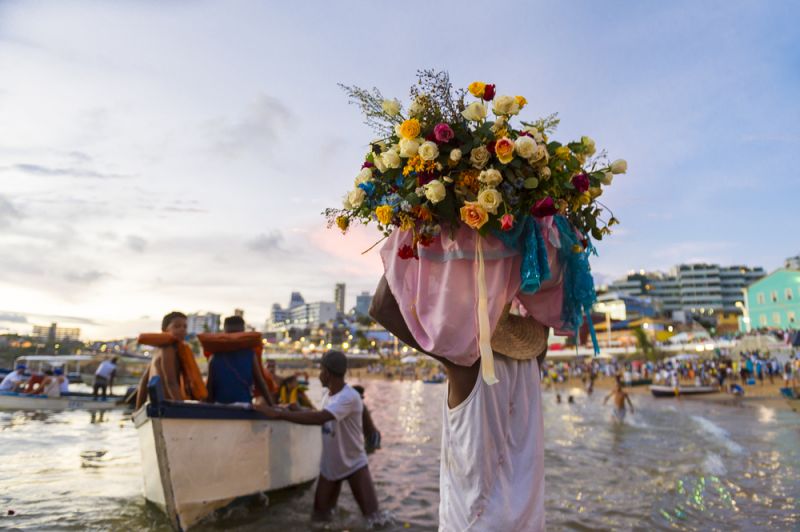
Photo: lazyllama / Shutterstock.com
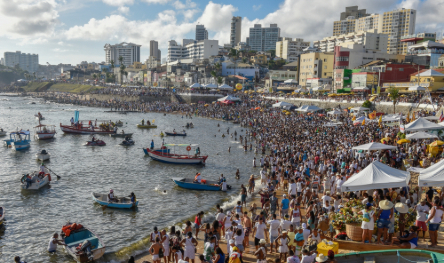
The Iemanjá Festival in Salvador is a religious and cultural celebration that brings together devotees, residents, fishermen, and visitors in the Rio Vermelho neighborhood, particularly around the Casa de Iemanjá and Santana Beach.
The central tradition involves presenting offerings to the Queen of the Sea, including flowers, perfumes, and other symbolic objects, as expressions of devotion, gratitude, and renewed hope.
The festival is rooted in Afro-Brazilian religious traditions, especially Candomblé, and has also become an important expression of Salvador's popular culture.
Throughout the day, the neighborhood takes on a unique atmosphere. White clothing, musical performances, decorated boats, and gatherings of different generations reveal the religious and social significance of this tradition.
It is important to understand that although the festival also attracts tourists and features a lively cultural program, its primary meaning remains deeply connected to faith and respect for Afro-Brazilian religious practices.
What Are the Origins of the Iemanjá Festival in Salvador?
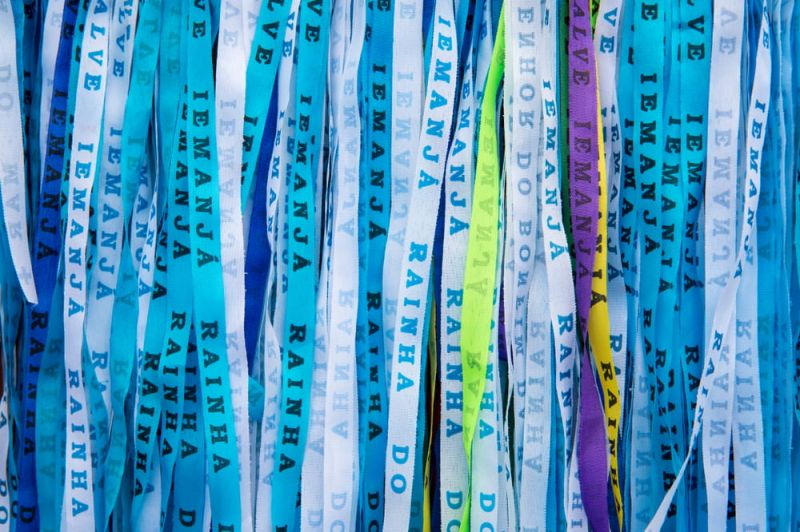
Photo: lazyllama / Shutterstock.com
The history of the Iemanjá Festival in Rio Vermelho is closely connected to the neighborhood's fishing community.
According to historical records published by the Gregório de Mattos Foundation, a cultural institution affiliated with Salvador's municipal government, the tradition began in 1923, when local fishermen started honoring the deity associated with the waters, seeking protection and better fishing conditions.
Over the decades, the celebration grew in importance, attracting religious communities, residents, and visitors from different parts of Brazil.
The festival also reflects the profound influence of African traditions on Salvador's cultural identity, shaped by the heritage of African peoples and their descendants.
Who Is Iemanjá, and Why Is She Important to Bahian Culture?
Iemanjá is one of the most widely known and revered orixás in Brazil's Afro-Brazilian religions.
In Afro-Brazilian traditions, she is associated with motherhood, nurturing, fertility, and the waters of the sea. Her representations and meanings may vary depending on the religious tradition and community.
Often called the Queen of the Sea, Iemanjá holds a special place in Brazilian cultural imagination, inspiring music, works of art, popular traditions, and religious celebrations.
In Bahia, her presence is deeply connected to the history of coastal communities and the symbolic relationship between spirituality and nature.
When and Where Does the Iemanjá Festival in Salvador Take Place?
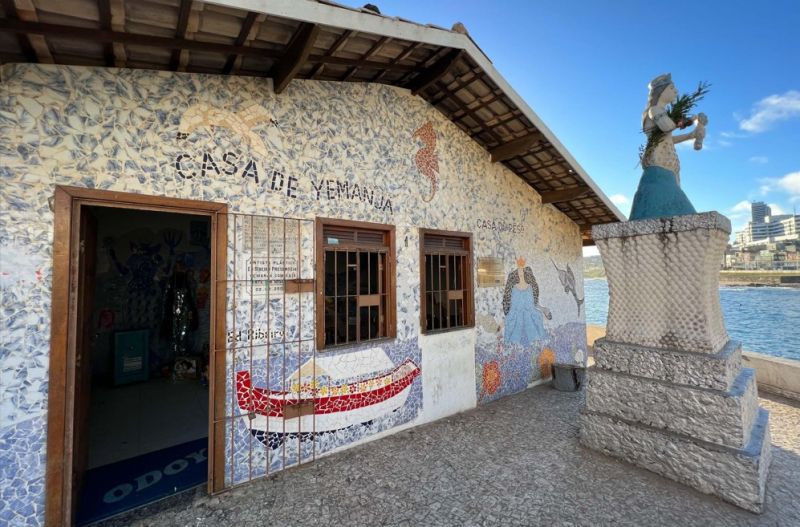
Photo: Disclousure / guia.melhoresdestinos.com.br
Rio Vermelho, Salvador – Bahia
The festival takes place every year on February 2, with its main gathering points at the Casa de Iemanjá, Santana Beach, and Largo de Santana.
The celebration extends through the surrounding streets and along the neighborhood's waterfront.
Rio Vermelho is one of Salvador's most traditional and well-known neighborhoods. Beyond its historical significance, it is famous for its gastronomy, nightlife, cultural expressions, and seaside setting.
During the Iemanjá Festival, the area welcomes large crowds, especially in the early morning and during the presentation of offerings.
Activities may begin before dawn, when devotees arrive to pay their respects.
What Is the Schedule for the Iemanjá Festival in Salvador?
Although specific times may vary from year to year, the celebration traditionally includes several important moments:
-
Before dawn and early morning: Devotees arrive, lines form, and offerings are presented at the Casa de Iemanjá.
-
Morning: Religious tributes and cultural activities intensify throughout the streets of Rio Vermelho.
-
Afternoon: The traditional boat procession takes place, carrying offerings out to sea at a time determined by the organizers.
-
Late afternoon and evening: Festivities continue, with gatherings, music, and activities at local establishments.
Visitors should check the official schedule closer to the festival date, as event times, road closures, and access restrictions may change.
How Can You Participate in the Iemanjá Festival in Salvador?
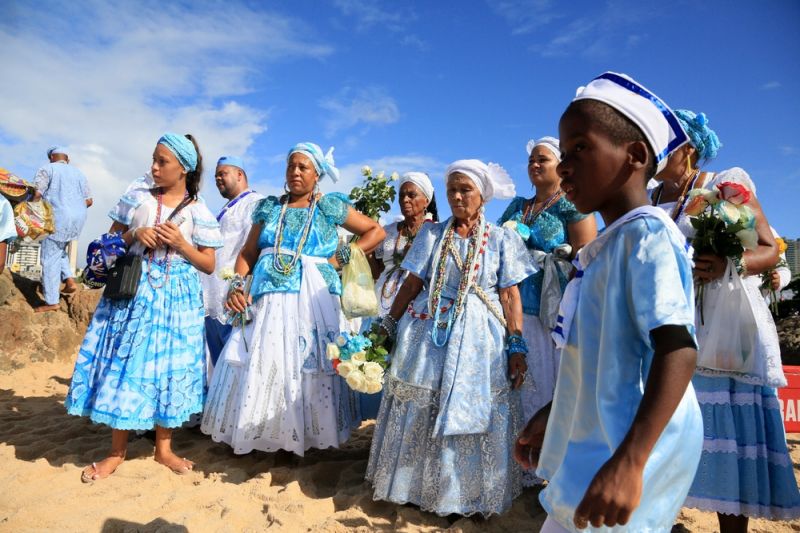
Photo: Joa Souza / Shutterstock.com
The Iemanjá Festival in Salvador welcomes people from different backgrounds and religious beliefs.
You do not need to follow a particular religion to attend the celebration. However, respecting the rituals, participants, and sacred spaces is essential.
What Should You Wear to the Iemanjá Festival?
White is the most traditional color worn by participants, symbolizing peace, spirituality, and devotion.
Shades of blue are also frequently associated with Iemanjá and can be seen in clothing, accessories, and decorative elements.
For a comfortable experience, lightweight clothing, suitable walking shoes, and sun protection are recommended.
Since February is a summer month in Salvador, temperatures are generally high, particularly during the day.
What Offerings Are Presented to Iemanjá?
Traditional offerings associated with the celebration include flowers, perfumes, mirrors, combs, and other symbolic objects.
However, awareness of the environmental impact of certain materials released into the ocean has been growing.
Visitors who wish to participate in the offerings should therefore prioritize alternatives that respect both religious traditions and marine conservation.
One environmentally conscious option is to offer natural flowers without packaging, ribbons, plastic, or other polluting materials, always following the guidance of those responsible for the rituals.
It is also possible to express respect and devotion through prayers, gratitude, and quiet observation of the ceremonies without necessarily placing objects in the sea.
The Cultural and Religious Importance of the Iemanjá Festival
Photo: Cecilia Hauff Colcombet / Shutterstock.com
The Iemanjá Festival is much more than an event that brings together thousands of people. It represents the continuity of knowledge, practices, and values passed down through generations.
Its significance can be understood from several perspectives.
Preserving Afro-Brazilian Culture
The celebration raises awareness of Afro-Brazilian religions and helps preserve traditions that are fundamental to Brazil's cultural identity.
According to Brazil's National Institute of Historic and Artistic Heritage (IPHAN), Afro-Brazilian cultural expressions are part of the country's cultural heritage and play an important role in preserving collective memory.
The festival also creates opportunities for reflection on religious freedom, cultural diversity, and the fight against religious intolerance.
Honoring Traditional Communities
The historical participation of Rio Vermelho's fishermen highlights the connection between the festival and the ways of life of communities whose livelihoods depend on the sea.
This relationship helps illustrate how spirituality, work, and popular culture are intertwined in Salvador's history.
Strengthening Cultural Tourism
The celebration also stimulates the local economy, benefiting restaurants, hotels, merchants, transportation providers, and tourism professionals.
The World Tourism Organization, now known as UN Tourism, recognizes cultural tourism as an important segment for promoting destinations and celebrating their unique identities.
However, tourism development must respect the festival's religious character and avoid reducing sacred practices to mere tourist attractions.
Tips for Enjoying the Iemanjá Festival in Salvador Safely
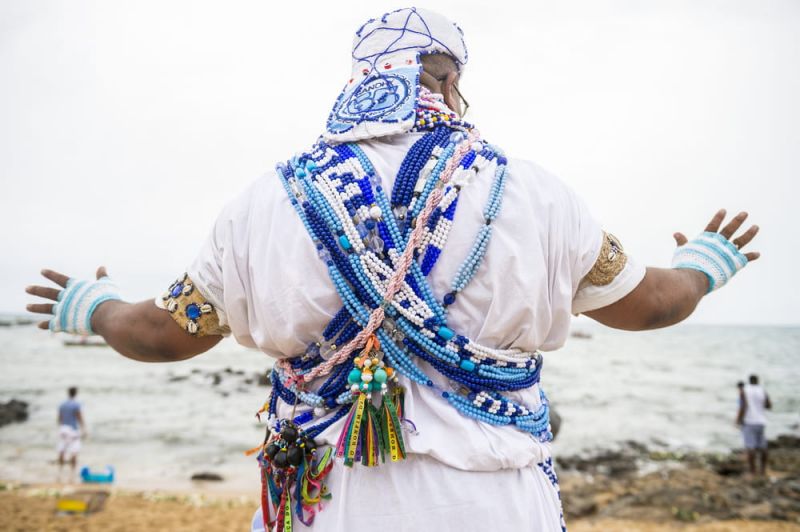
Photo: lazyllama / Shutterstock.com
Large crowds require careful planning, especially for first-time visitors to Salvador.
A few recommendations can help make the experience more enjoyable:
-
Arrive early: Crowds grow throughout the day, and some areas may have long lines.
-
Plan your transportation: Road closures and traffic restrictions are common during major events.
-
Bring only the essentials: Choose a small bag and keep your identification documents, money, and phone secure.
-
Stay hydrated: High temperatures and prolonged sun exposure require extra care.
-
Respect the rituals: Avoid interrupting ceremonies and ask permission before photographing people during religious activities.
-
Agree on meeting points: If traveling with others, choose a designated meeting place in case your group becomes separated.
-
Avoid swimming in crowded areas: Follow the instructions of local authorities and event organizers.
For families traveling with children, older adults, or people with reduced mobility, it is especially important to consider the most suitable visiting times and access points.
What Else Can You Explore in Salvador Beyond the Iemanjá Festival?
Photos: Guilherme Ferreira / Blumar DMC
Taking advantage of your trip to explore other attractions in Bahia's capital is an excellent way to enrich your experience.
Salvador offers historic architecture, outstanding cuisine, beautiful beaches, and cultural traditions that reveal different aspects of its local identity.
Pelourinho
Salvador's Historic Center, recognized as a UNESCO World Heritage Site, is home to churches, colonial mansions, museums, and cultural attractions. It is an essential stop for anyone interested in understanding the city's history.
Farol da Barra
One of Salvador's most iconic landmarks, the Barra Lighthouse offers spectacular coastal views and houses the Nautical Museum of Bahia, located inside the historic Santo Antônio da Barra Fort.
Igreja do Bonfim
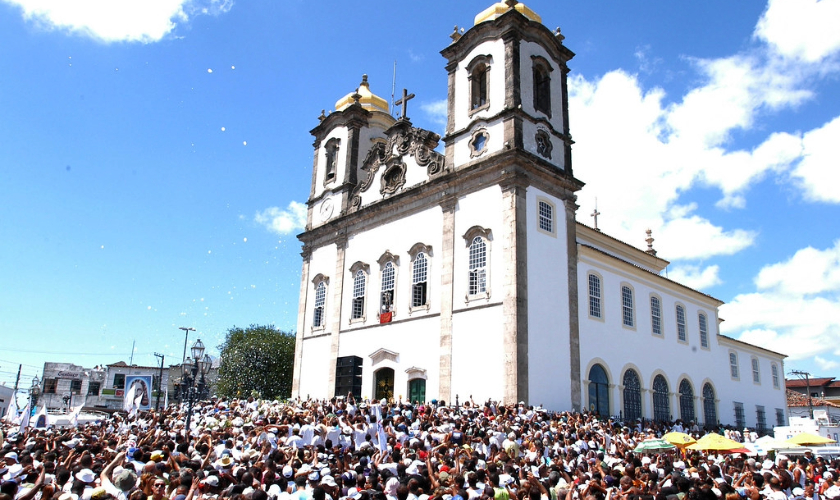
One of the greatest symbols of Bahian religious devotion, the Church of Bonfim is famous for its colorful wish ribbons and the traditional Lavagem do Bonfim celebration, held in January.
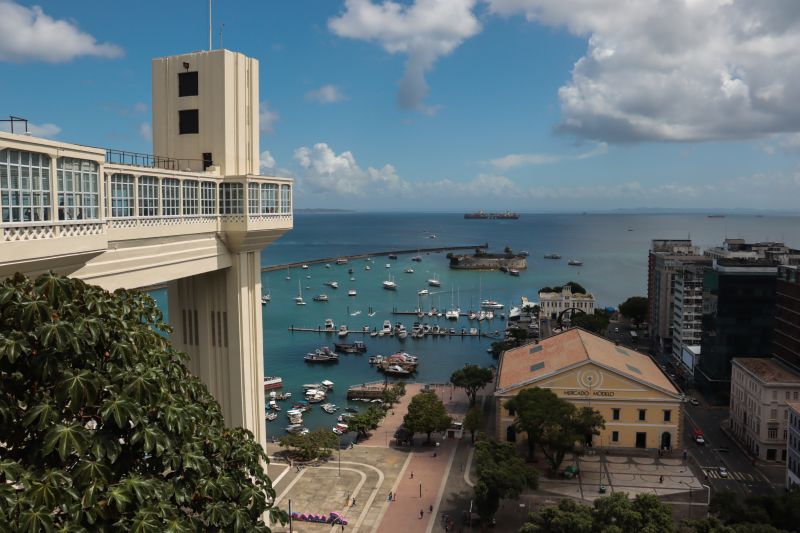
Elevador Lacerda
The Lacerda Elevator connects Salvador's Upper City and Lower City and offers access to one of the most famous views of All Saints Bay, particularly from Tomé de Souza Square.
Beyond these attractions, be sure to set aside time to experience Bahian cuisine, especially acarajé, abará, moqueca, and other specialties that are an essential part of Salvador's culinary identity.
Iemanjá Festival in Salvador: A Tradition Recognized as Cultural Heritage
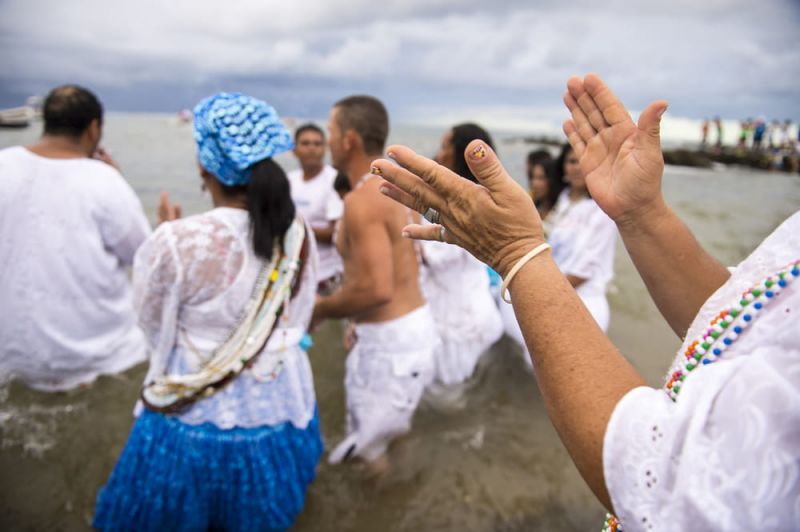
Photo: lazyllama / Shutterstock.com
One of the most significant milestones in the festival's history was its official recognition as Intangible Cultural Heritage of Salvador in 2020.
This designation acknowledges the celebration's historical, religious, and social importance and contributes to preserving a tradition that is more than a century old.
The scale of the event is also impressive. In 2026, the Bahia State Government deployed 1,152 public security personnel for the celebration, alongside teams working in culture, tourism, and environmental protection.
Another highlight was the implementation of sustainability measures, including the use of environmentally friendly materials to create the main ceremonial offering and awareness campaigns discouraging the disposal of plastic, metal, and glass in the sea.
These initiatives demonstrate how religious traditions can be preserved while protecting the environment.
Why Plan Your Trip to the Iemanjá Festival with Blumar DMC?
Visiting Salvador during such an important celebration requires careful planning. The city welcomes a significant number of visitors, and accommodation, transportation, and other services may become more limited.
This is where Blumar DMC stands out as a trusted partner for travelers seeking to experience the Iemanjá Festival in Salvador with comfort, seamless organization, and personalized experiences.
With four decades of experience in Brazilian tourism, Blumar combines extensive destination knowledge with a carefully selected network of suppliers to create journeys tailored to each traveler's preferences.
Tailor-Made Experiences to Discover Salvador
Blumar DMC can help plan a trip that combines the Iemanjá Festival with other attractions in Bahia's capital, including:
-
Accommodation at carefully selected hotels suited to each traveler's preferences and budget.
-
Private transfers between the airport, hotel, and tourist attractions, taking into account traffic restrictions during the festival.
-
Cultural tours of the Historic Center, Pelourinho, and other iconic landmarks.
-
Culinary experiences showcasing the flavors of Bahian cuisine.
-
Personalized itineraries that may include Praia do Forte and other destinations along Bahia's northern coast.
The goal is to provide an experience that goes beyond conventional sightseeing, allowing travelers to gain a deeper understanding of Salvador's history, culture, and traditions.
Conclusion: Experience the Emotion of the Iemanjá Festival in Salvador
The Iemanjá Festival in Salvador is a celebration that transcends religious boundaries, offering an experience of profound cultural, historical, and human significance.
Surrounded by flowers, chants, boats, and expressions of devotion, visitors discover a side of Salvador that preserves its roots and shares the richness of its ancestral heritage with the world.
Taking part in this tradition is an opportunity to experience Bahia from a different perspective, appreciating religious diversity, cultural heritage, and the deep connection between the city and the sea.
Would you like to experience the Iemanjá Festival in Salvador and discover the best of Bahia with comfort and peace of mind?
Contact Blumar DMC and discover how to turn your trip into a personalized journey combining culture, history, gastronomy, and the unforgettable charms of Salvador.
Posts you might also be interested in:
- Lavagem do Bonfim in Salvador
- What Is the Best Month to Visit Salvador? An Unforgettable Trip with Blumar DMC
- What Not to Miss in Salvador: A Complete Guide to an Unforgettable Trip
- How many days are enough to explore Salvador
- Salvador and Praia do Forte in the Spotlight: Our Team's Deep Dive into Two of Bahia's Top Destinations
- Where to Stay in Salvador: 6 Hotels Reviewed by Our Inspection Team
FAQ – Iemanjá Festival in Salvador: Everything You Need to Know About Bahia's Traditional Celebration
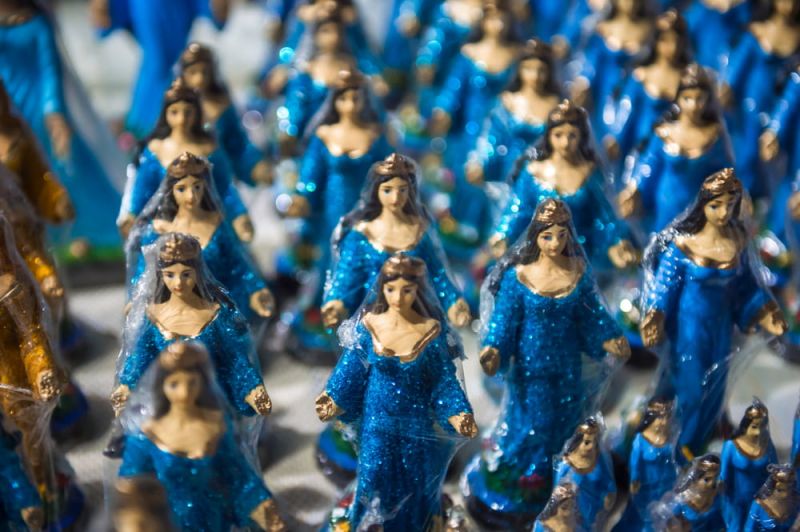
Photo: lazyllama / Shutterstock.com
1. What is the Iemanjá Festival in Salvador?
The Iemanjá Festival in Salvador is an annual religious and cultural celebration honoring Iemanjá, an orixá associated with the sea, motherhood, and protection in Afro-Brazilian religious traditions. The event features offerings, prayers, traditional music, and a boat procession, attracting devotees, residents, and tourists to the Rio Vermelho neighborhood.
2. When is the Iemanjá Festival celebrated?
The festival takes place every year on February 2, regardless of the day of the week. Religious ceremonies traditionally begin before sunrise, while cultural activities and celebrations continue throughout the day and into the evening.
3. Where does the Iemanjá Festival take place in Salvador?
The main celebrations take place in the Rio Vermelho neighborhood, particularly around Casa de Iemanjá, Santana Beach (Praia de Santana), and Largo de Santana. The festivities also extend into nearby streets and along the waterfront.
4. Is the Iemanjá Festival in Salvador free to attend?
Yes. The main public celebrations and religious gatherings are free to attend. However, transportation, accommodation, food, private tours, and certain special experiences involve additional costs.
5. How many people attend the Iemanjá Festival?
The festival attracts thousands of participants every year, including religious devotees, local residents, fishermen, and visitors from Brazil and abroad. Attendance varies annually, but Rio Vermelho becomes one of Salvador's busiest areas during the celebration.
6. Who is Iemanjá in Afro-Brazilian religion?
Iemanjá is an orixá revered in Afro-Brazilian religions, particularly Candomblé. She is associated with motherhood, nurturing, fertility, protection, and the sea. Often called the Queen of the Sea, Iemanjá represents a powerful spiritual connection between humanity, ancestry, and nature.
7. What is the origin of the Iemanjá Festival in Salvador?
The festival originated in 1923, when fishermen from Rio Vermelho began honoring the deity associated with the waters, seeking protection and more favorable fishing conditions. Over time, the tradition developed into one of Bahia's most significant religious and cultural celebrations.
8. Why is the Iemanjá Festival important to Bahian culture?
The festival celebrates Salvador's African heritage, preserves religious traditions passed down through generations, and highlights the historical relationship between coastal communities and the sea. It also promotes cultural diversity, religious freedom, and respect for Afro-Brazilian spirituality.
9. Is the Iemanjá Festival a religious or cultural event?
It is both, but its foundation is religious. The celebration originates in Afro-Brazilian spiritual practices, particularly Candomblé, while also incorporating music, artistic expressions, and community gatherings. Visitors should always recognize and respect its sacred significance.
10. Is the Iemanjá Festival recognized as cultural heritage?
Yes. The Iemanjá Festival was officially recognized as Intangible Cultural Heritage of Salvador in 2020, acknowledging its historical, religious, social, and cultural importance.
11. What is the connection between Iemanjá and Salvador's fishermen?
Fishermen played a central role in establishing the celebration in Rio Vermelho. Their devotion reflects the importance of the sea as a source of livelihood, protection, and spiritual meaning for traditional coastal communities.
12. What happens during the Iemanjá Festival in Salvador?
The celebration includes religious prayers, devotional songs, traditional drumming, offerings of flowers and symbolic objects, and a boat procession carrying ceremonial offerings into the sea. Throughout the day, Rio Vermelho also hosts cultural activities and community gatherings.
13. What offerings are traditionally presented to Iemanjá?
Traditional offerings include flowers, perfumes, mirrors, combs, and other symbolic objects. These gifts represent devotion, gratitude, and spiritual intentions. Today, environmental awareness encourages participants to choose offerings that minimize harm to marine ecosystems.
14. Can tourists make offerings to Iemanjá?
Yes. Visitors may participate respectfully, following guidance from religious practitioners and festival organizers. Natural flowers without plastic wrapping, ribbons, or other polluting materials are a more environmentally conscious option.
15. Is it necessary to make an offering to participate?
No. Visitors can participate through respectful observation, prayer, reflection, or simply experiencing the celebration. Making an offering is not mandatory.
16. What is the boat procession during the Iemanjá Festival?
The boat procession is one of the festival's most symbolic moments. Decorated vessels carry ceremonial offerings from the shore into the sea, representing devotion to Iemanjá and the spiritual relationship between the community and the ocean.
17. Why do people wear white during the Iemanjá Festival?
White is traditionally associated with peace, spirituality, and religious devotion. Blue is also commonly associated with Iemanjá, reflecting her connection with the waters of the sea.
18. How can visitors respect the religious ceremonies?
Visitors should avoid interrupting rituals, respect designated sacred spaces, follow organizers' instructions, and ask permission before photographing individuals participating in religious activities. Understanding the festival's spiritual significance is essential to a meaningful experience.
19. What time should tourists arrive at the Iemanjá Festival?
Arriving early in the morning is recommended, particularly for visitors who want to observe the religious ceremonies and avoid the largest crowds. Some devotees arrive before dawn, making the early hours especially significant.
20. What is the typical schedule of the Iemanjá Festival?
Although exact times vary annually, the celebration generally follows this pattern:
|
Time of day |
Main activities |
|---|---|
|
Before sunrise |
Arrival of devotees and preparation of offerings |
|
Morning |
Religious tributes, prayers, and cultural activities |
|
Afternoon |
Traditional boat procession and ceremonial offerings |
|
Late afternoon and evening |
Community gatherings, music, and local festivities |
Visitors should confirm the official schedule before attending.
21. What should I wear to the Iemanjá Festival in Salvador?
Lightweight white clothing is a traditional and appropriate choice. Comfortable walking shoes, sunglasses, sunscreen, and a hat are also recommended because February is typically hot and sunny in Salvador.
22. What should I bring to the festival?
Bring drinking water, identification, sunscreen, a charged mobile phone, and a small amount of money or a payment card. Avoid carrying unnecessary valuables or large bags, particularly in crowded areas.
23. How do I get to Rio Vermelho during the Iemanjá Festival?
Taxis, ride-hailing services, and public transportation are common options. However, road closures and traffic restrictions may affect access to Rio Vermelho. Travelers should confirm official transportation arrangements and consider walking from an accessible drop-off point.
24. Is the Iemanjá Festival safe for tourists?
The festival generally benefits from organized public security operations, but large crowds require additional precautions. Keep personal belongings secure, stay hydrated, follow official instructions, and arrange meeting points when traveling in groups.
25. Can families with children attend the Iemanjá Festival?
Yes. Families can attend, but parents should consider the heat, crowds, and limited mobility in busy areas. Visiting earlier in the day and avoiding the most congested locations may provide a more comfortable experience.
26. Is the festival suitable for older travelers or people with reduced mobility?
It can be, provided the visit is carefully planned. Crowded streets, uneven surfaces, and temporary access restrictions may create challenges. Personalized transportation arrangements and shorter visits can help improve comfort and accessibility.
27. Where should tourists stay during the Iemanjá Festival in Salvador?
Rio Vermelho is a convenient option for travelers who want to stay close to the celebrations. Barra, Ondina, and other established hotel areas may also be suitable, depending on the traveler's preferences and transportation arrangements.
28. Should I book accommodation in advance?
Yes. Since the festival takes place during Salvador's summer tourism season, booking accommodation and transportation well in advance is recommended, particularly for travelers seeking premium hotels or personalized services.
29. What is the weather like in Salvador in February?
February is a summer month in Salvador, typically characterized by warm temperatures, high humidity, and strong sunshine. Visitors should wear breathable clothing, drink plenty of water, and prepare for occasional tropical rain.
30. How many days should I spend in Salvador for the Iemanjá Festival?
A stay of three to four days is a practical starting point. This allows travelers to attend the festival while also exploring Salvador's Historic Center, coastal attractions, traditional restaurants, and cultural landmarks.
31. Can I combine the Iemanjá Festival with a beach vacation?
Absolutely. Visitors can combine the celebration with time at Salvador's beaches or extend their journey to Praia do Forte and other destinations along Bahia's northern coast.
32. Is the Iemanjá Festival environmentally sustainable?
Environmental sustainability has become an increasingly important aspect of the celebration. Recent initiatives encourage environmentally responsible offerings, improved waste management, and greater awareness of marine conservation.
33. What types of offerings are better for the environment?
Natural flowers without plastic, metal, glass, ribbons, or synthetic decorations are generally preferable. Visitors should follow the guidance of religious leaders and organizers regarding acceptable offerings and proper disposal.
34. Can visitors participate without placing anything in the sea?
Yes. Prayers, expressions of gratitude, respectful observation, and participation in community activities are meaningful ways to experience the festival without depositing objects in the ocean.
35. How can tourists support responsible cultural tourism during the festival?
Visitors can support local businesses, respect religious practices, reduce waste, avoid littering, and choose tourism providers that prioritize cultural sensitivity and environmental responsibility.
36. What are the best attractions to visit in Salvador?
Some of Salvador's most iconic attractions include Pelourinho, Farol da Barra, Igreja do Bonfim, and Elevador Lacerda. These landmarks showcase the city's history, architecture, spirituality, and coastal scenery.
37. Is Pelourinho worth visiting during a trip to the festival?
Yes. Pelourinho is part of Salvador's UNESCO-listed Historic Center and features colorful colonial architecture, churches, museums, and Afro-Brazilian cultural expressions. It is one of the most rewarding places to explore the city's heritage.
38. What traditional Bahian dishes should visitors try?
Visitors should try acarajé, abará, moqueca, and other regional specialties. Bahian cuisine reflects a rich combination of African, Indigenous, and Portuguese culinary influences.
39. Can I visit Praia do Forte after the Iemanjá Festival?
Yes. Praia do Forte, located along Bahia's northern coast, is a popular extension for travelers seeking beaches, nature, comfortable resorts, and a more relaxed atmosphere after the festivities in Salvador.
40. Why choose Blumar DMC for the Iemanjá Festival in Salvador?
With 40 years of experience in Brazilian tourism, Blumar DMC specializes in tailor-made travel experiences, combining local destination knowledge, carefully selected accommodations, private transportation, and personalized itineraries.
41. Can Blumar DMC organize a private cultural itinerary in Salvador?
Yes. Blumar DMC can design personalized cultural itineraries featuring Salvador's Historic Center, Pelourinho, local gastronomy, and other important attractions, while considering the festival's schedule and logistical requirements.
42. Does Blumar DMC arrange accommodation and airport transfers?
Yes. Blumar DMC can assist with hotel selection, airport transfers, and local transportation arrangements according to travelers' preferences, group size, and available services.
43. Can Blumar DMC organize a luxury trip to Salvador during the festival?
Yes. Blumar DMC develops customized luxury travel experiences that may include premium accommodations, private transfers, curated cultural activities, and exclusive culinary experiences, subject to availability and local festival restrictions.
44. Can the Iemanjá Festival be included in a longer Bahia itinerary?
Absolutely. Blumar DMC can combine Salvador's cultural attractions with destinations such as Praia do Forte and other locations along Bahia's northern coast, creating a journey that balances culture, nature, relaxation, and gastronomy.
45. Is the Iemanjá Festival worth visiting?
Yes. The Iemanjá Festival offers a distinctive opportunity to experience Salvador's Afro-Brazilian heritage, religious diversity, community traditions, and cultural identity. It is particularly meaningful for travelers interested in history, spirituality, and authentic cultural experiences.
46. Can international tourists attend the Iemanjá Festival?
Yes. International travelers are welcome to observe and respectfully participate in the public celebration. Learning about the festival's religious meaning beforehand can make the experience more enriching.
47. Is February a good time to visit Salvador?
February is an excellent time for travelers who enjoy summer weather, beaches, and lively cultural celebrations. However, high demand for accommodation and transportation makes advance planning especially important.
48. What makes the Iemanjá Festival in Salvador unique?
Its combination of centuries-old Afro-Brazilian spiritual heritage, community participation, colorful offerings, traditional music, and a symbolic boat procession creates an experience deeply connected to Salvador's history and identity.
49. How can I plan a personalized trip to the Iemanjá Festival in Salvador?
Travelers can contact Blumar DMC to arrange a customized itinerary combining the Iemanjá Festival with Salvador's cultural landmarks, culinary experiences, comfortable accommodations, and other destinations in Bahia.