Português
 English
 Español
 Français
 Deutsch
 Italiano
 日本語
日本語
 العربية
 中文
中文
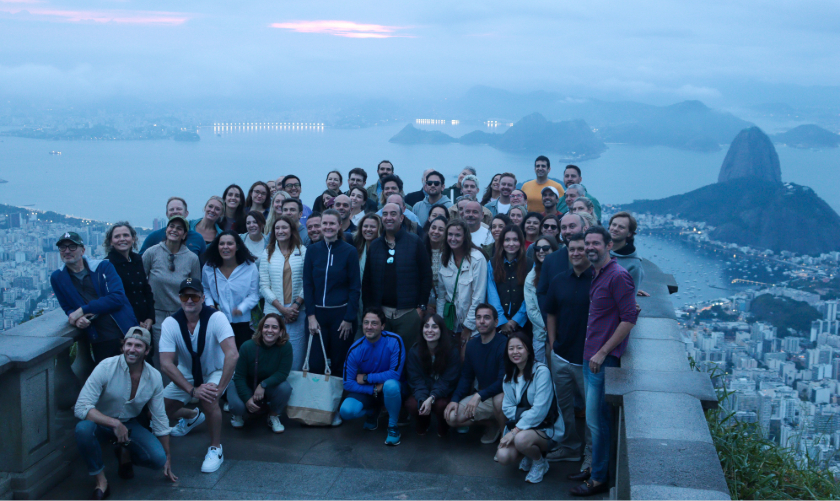
A successful incentive program looks effortless to the participants, and that is precisely the point. Behind every seamless reward trip for hundreds of people lies an operation of remarkable complexity, executed by a team that has anticipated and solved problems the group will never know existed. Understanding what actually happens behind the scenes reveals why operational depth, not marketing, separates the best destination management companies in Brazil.
This article takes you behind the curtain of a large-scale incentive operation in Brazil, walking through the phases of delivery from early planning to on-site execution, and showing why the things participants never see are exactly what make a program succeed. It is written for incentive houses, corporate reward teams, and agencies who want to understand what genuine operational capability looks like.
1. The Operation Participants Never See

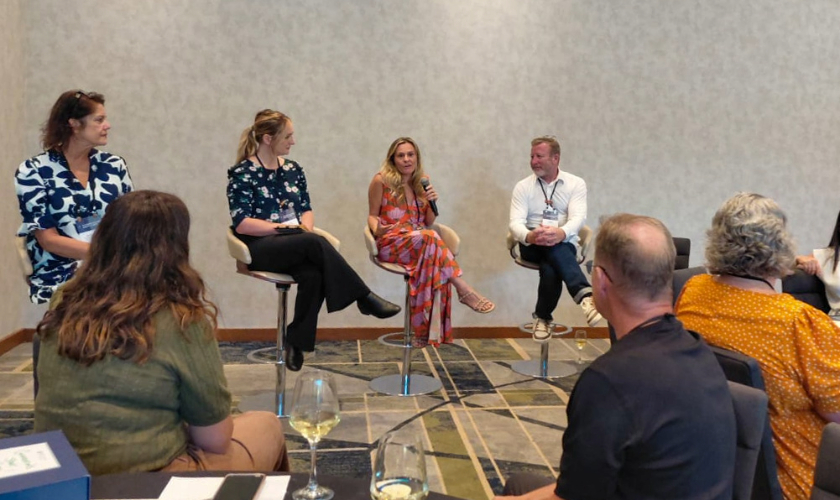
Photo: Guilherme Ferreira / Blumar DMC
When a group of several hundred high performers arrives in Brazil for a reward trip, they experience a smooth sequence of memorable moments. What they do not see is the months of planning, the dozens of coordinated suppliers, the contingency plans prepared for scenarios that never materialize, and the on-site team working invisibly to keep everything on track.
This invisibility is the mark of a well-run operation. The measure of operational excellence is not what goes right when everything is easy, but how smoothly the program absorbs the inevitable surprises of moving a large group through a complex destination. That capacity is built long before anyone arrives.
2. Phase One: Planning and Design
A large incentive program begins with a deep understanding of the client's objectives, the profile of the group, and the experience the program must deliver. From there, the design work translates goals into a concrete itinerary: destinations, experiences, the emotional arc of the trip, and the peak moments that participants will remember.
For a large group, this phase also establishes the operational architecture: how the group will move, where it will stay, how it will be divided for activities, and how the program scales logistically. Early engagement is essential, with significant programs benefiting from a planning window of six to twelve months or more, because securing the right venues, accommodation blocks, and experiences for a large group requires time and established relationships.
3. Phase Two: Securing Venues, Hotels, and Experiences
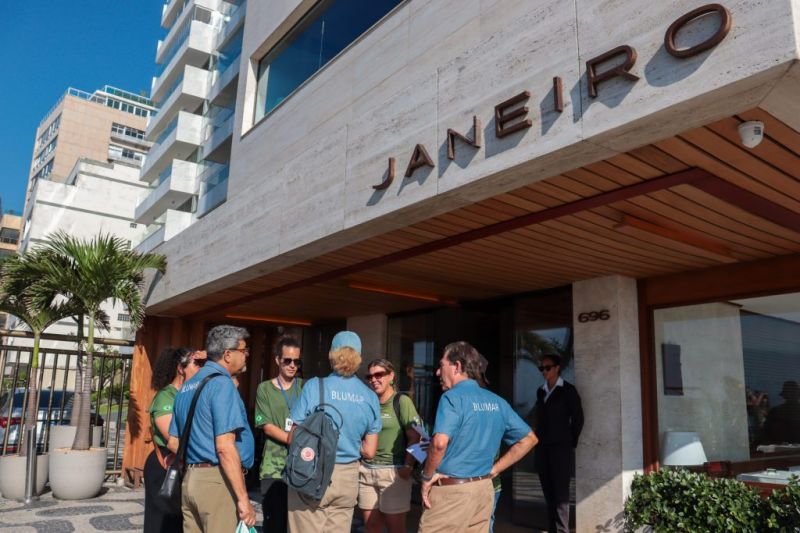
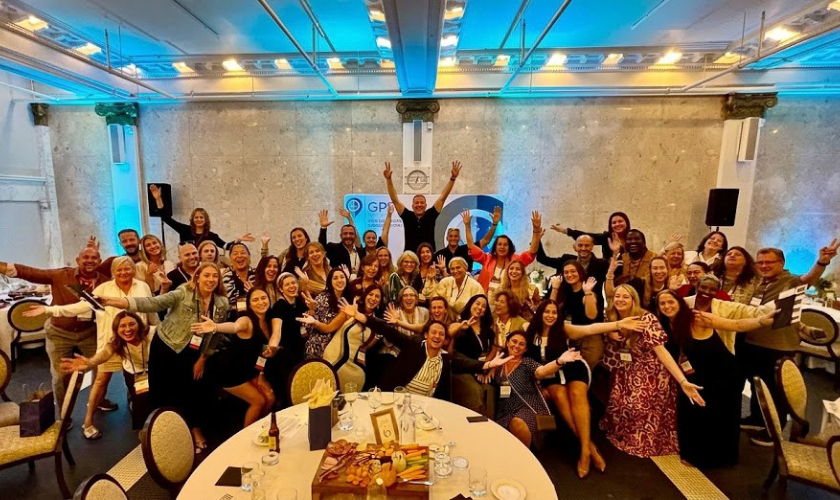
Photo: Guilherme Ferreira / Blumar DMC
Housing and moving hundreds of people requires securing room blocks across one or more properties, often coordinating multiple hotels and negotiating terms that protect both the client and the program. The exclusive experiences that define an incentive trip, from private events to access that ordinary visitors cannot obtain, are secured through relationships built over years.
This is where the value of an established operator becomes concrete. Access to the best venues and experiences, and the rates that come with trusted relationships, cannot be improvised. They are the product of decades of operating in the destination and treating suppliers as long-term partners.
4. Phase Three: Logistics and Group Movement
Moving a large group through Brazil is the operational heart of the program. It involves coordinating airport arrivals across multiple flights, organizing transfers for hundreds of people, managing internal flights between destinations, and choreographing daily movements between hotels, venues, and activities so that nothing feels rushed or chaotic.
Internal flight scheduling deserves particular care, since a local operator knows which domestic routes are reliable and builds in the buffers that protect against disruption. For a large group, even small inefficiencies multiply, so the logistics plan is engineered in detail, with timing, capacity, and sequencing all worked out in advance.
5. Phase Four: On-Site Execution

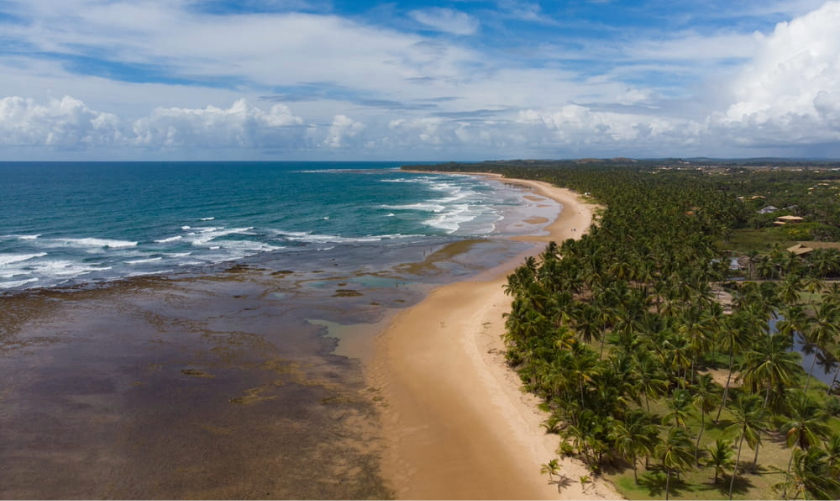
Photo: Guilherme Ferreira / Blumar DMC
When the group arrives, the operation shifts to real-time execution. A team of local coordinators staffs the program, managing the flow of activities, handling the countless small requests and adjustments that arise, and serving as the visible and invisible support that keeps everything running. The on-site team is the difference between a program that adapts gracefully to the unexpected and one that falters.
This is also where local knowledge pays off continuously: the coordinators know the destination, speak the language, understand the suppliers, and can solve problems on the spot because they have seen them before. The participants simply experience a flawless trip.
6. Phase Five: Contingency and Problem Solving
Every large program encounters surprises: a flight delay, a weather change, a supplier issue, a last-minute request. The defining feature of a professional operation is not the absence of problems but the presence of plans to absorb them. Contingency planning is built into every phase, with alternatives prepared and decision protocols established before the group ever arrives.
The reason an experienced operator solves problems faster is simple: the team has encountered the situation before and already knows the solution. This accumulated operational memory, built across hundreds of programs, is one of the most valuable and least visible assets a DMC brings.
7. Why Operational Depth Separates the Best DMCs

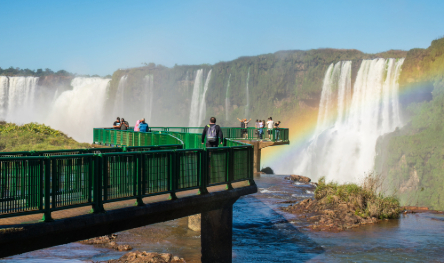
Photo: Guilherme Ferreira / Blumar DMC
The difference between an adequate program and an exceptional one is rarely the brochure or the proposal. It is the depth of the operation behind it. The best destination management companies in Brazil are distinguished by the things that do not appear in marketing: the supplier relationships built over decades, the coordinators who have run hundreds of programs, the contingency plans that have been tested in practice, and the cultural fluency that makes a program feel authentic.
For a client investing in a high-stakes incentive program, where participant disappointment is not an option, this operational depth is the real product. It is the practical meaning of experience, expertise, and trustworthiness in this industry, and it is what turns the raw potential of Brazil into a program that participants remember for the rest of their careers.
Deliver Your Next Incentive Program With Proven Operational Depth
The success of a large incentive program is decided by the depth of the operation behind it. With decades of operating across Brazil and the relationships, expertise, and on-site capability that come with it, the right partner turns a complex undertaking into an effortless experience.
To plan a large-scale program or request a proposal, visit the official Blumar DMC website.
Posts you might also be interested in:
- Incentive Travel Operator Brazil
- Blumar: The Leading Name in MICE in Brazil
- Best DMC in Brazil: Why Blumar Is the Right Choice
Frequently Asked Questions - Incentive Operation in Brazil

Photo: Guilherme Ferreira / Blumar DMC
How long does it take to plan a large incentive program in Brazil?
Significant programs benefit from a planning window of six to twelve months or more. Securing the right venues, accommodation blocks, and exclusive experiences for a large group requires time and established supplier relationships, so early engagement is strongly recommended.
What is the hardest part of delivering a large incentive program?
Logistics and group movement are the operational heart of the challenge: coordinating arrivals across multiple flights, transfers for hundreds of people, internal flights, and daily movements so the program feels seamless. Contingency planning for the inevitable surprises is equally critical.
What does an on-site team actually do?
A team of local coordinators manages the real-time execution of the program, overseeing the flow of activities, handling requests and adjustments, and solving problems on the spot. Their local knowledge of the destination, language, and suppliers is what keeps a large program running smoothly.
Why do experienced DMCs solve problems faster?
Because they have encountered the situation before. Accumulated operational experience across hundreds of programs means an established team already knows the solutions, which is why operational depth, not marketing, distinguishes the best operators.
What makes a large incentive program feel effortless to participants?
The invisible operation behind it: months of planning, coordinated suppliers, detailed logistics, prepared contingencies, and a skilled on-site team. The smoother the participant experience, the more sophisticated the operation that produced it.