Português
 English
 Español
 Français
 Deutsch
 Italiano
 日本語
日本語
 العربية
 中文
中文

Sustainability has moved from a nice-to-have to a core requirement in the MICE industry. Corporate clients now arrive with environmental benchmarks in their briefs, and they expect concrete, measurable commitments rather than vague claims. For planners bringing events to Brazil, knowing what to demand from venues, suppliers, and local partners is essential, both to meet client expectations and to deliver programs that are genuinely responsible.
This guide explains the sustainability standards and frameworks that matter in 2026, how to measure an event's footprint, the specific questions to ask suppliers, and how Brazil's natural and cultural context shapes responsible programs. It is written for event planners, corporate teams, and agencies who need to deliver sustainable MICE programs in Brazil.
Why Sustainability Is Now a Requirement, Not an Option
The expectations around event sustainability have hardened. Corporate clients increasingly ask for experiences that meet global sustainability benchmarks, and measurable environmental commitments are now part of the brief rather than an afterthought. This shift is driven by corporate ESG commitments, delegate expectations, and a maturing set of industry standards that make performance comparable and verifiable.
The practical consequence for planners is that sustainability claims must be backed by data. The most useful guidance in the industry is straightforward: do not just ask whether a venue or hotel has a green certification, request its most recent sustainability report, because actual consumption data such as energy per room-night, water per guest, and waste diversion rates tells you far more than any logo.
The Standards and Frameworks That Matter
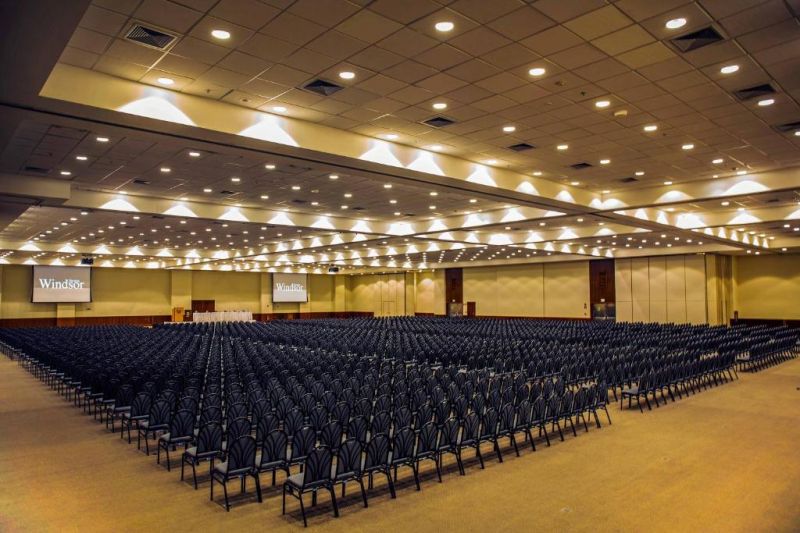
Photo: Diclousure / Windsor Barra Hotel
A planner working on a serious sustainable program should be familiar with the main frameworks shaping the industry. The most relevant include:
- Net Zero Carbon Events: an industry-wide initiative launched at COP26 that unites the events sector around reducing greenhouse gas emissions, with the goal of net zero by 2050 and a 50 percent reduction by 2030. Signatories commit to publishing their own pathway to net zero.
- ISO 20121: the international standard for event sustainability management systems, indicating that an organization has formal processes for managing the environmental and social impact of events.
- The GDS-Index: the Global Destination Sustainability Index, which benchmarks destinations on factors such as infrastructure, renewable energy, and sustainability performance, useful for understanding a destination's broader credentials.
- Hotel and venue eco-certifications: standards such as ISO 14001 for environmental management and various recognized eco-labels that indicate a property meets defined environmental criteria across energy, water, waste, and biodiversity.
Knowing these frameworks lets a planner ask precise questions and evaluate answers against recognized benchmarks rather than marketing language.
Measuring an Event's Carbon Footprint
Measurement is the foundation of any credible sustainability effort. An event's footprint is dominated by a few major factors, and understanding them helps focus reduction efforts where they matter most.
Delegate travel, particularly air travel, is typically the single largest contributor to an event's emissions. Venue energy, catering, and the production of materials follow. Specialist carbon calculators exist to estimate an event's footprint across these categories, allowing planners to model the impact before committing and to track it afterward.
The guiding principle across the industry is consistent: reduce first, offset last. Genuine reductions, through choices about format, travel, venue, and catering, should come before any reliance on carbon offsets, and where offsets are used, they should come from reputable, verified providers.
Beyond Carbon: Social Responsibility and Legacy
Sustainability in events extends well beyond emissions. The leading frameworks increasingly organize around several pillars, including climate action, circular economy, social responsibility, and legacy and impact. For Brazil, the social and legacy dimensions are a particular strength.
Responsible programs in Brazil can integrate community-based experiences that direct economic benefit to local communities, source food and gifts locally to reduce transport impact and support regional producers, and design genuine cultural engagement that respects and benefits the destination. These choices align naturally with the broader trend toward authentic cultural immersion, meaning the sustainable option is often also the more memorable one.
The Questions to Ask Suppliers and Venues
Turning sustainability intent into reality comes down to asking the right questions and evaluating the answers critically. Key questions include:
- Can you provide your most recent sustainability report with actual consumption data, not just certification logos?
- Which recognized certifications or standards do you hold, and when were they last audited?
- How do you measure and report the environmental impact of an event hosted with you?
- What is your approach to waste reduction, energy sourcing, and water use?
- How do you support local communities and source locally?
- What specific, measurable commitments can you make for my event?
Specific, data-backed answers indicate a genuine commitment. Vague or purely promotional responses are a signal to look closer.
How Brazil Supports Sustainable MICE Programs

Photo: Guilherme Ferreira / Blumar DMC
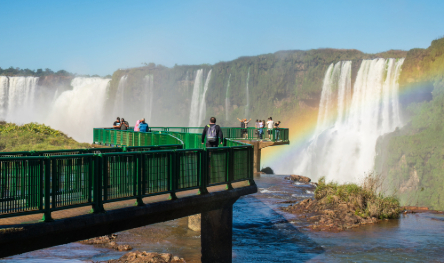
Brazil's natural heritage gives it a distinctive position in sustainable events. The country's ecosystems, from the Amazon to the Atlantic Forest and beyond, make conservation and responsible tourism a tangible part of the experience rather than an abstract commitment. Programs can be designed around genuine contact with nature and communities in ways that reinforce environmental and social value.
Realizing this potential depends on a local partner who knows which venues and suppliers hold genuine credentials, can design community and conservation elements that are authentic rather than superficial, and can build a program that meets a client's benchmarks while delivering the experiential richness Brazil is known for. The destination offers the raw material; local expertise turns it into a credible, responsible program.
Why a Local DMC Is Central to Sustainable Events
A destination management company is central to delivering on sustainability because it controls the choices that determine an event's impact: which venues and hotels are selected, how transport is organized, where catering and gifts are sourced, and which experiences are built into the program. A local partner with genuine sustainability knowledge can steer each of these decisions toward credible, measurable outcomes.
The value of established local operation is concrete here: knowledge of which suppliers hold real credentials versus marketing claims, relationships with community and conservation partners, and the ability to design a program that reduces impact at the source rather than relying on offsets after the fact. For a planner accountable to a client's sustainability standards, this local expertise is what makes the commitments deliverable.
Deliver a Responsible Brazil Program With a Partner Who Knows the Difference
Sustainable MICE in Brazil is achievable and increasingly expected, but it depends on data, recognized standards, and a local partner who can tell genuine credentials from marketing. With the right expertise, a responsible program in Brazil can also be one of the most memorable.
To design a sustainable program, evaluate venues, or request a proposal, visit the official Blumar DMC website.
Posts you might also be interested in:
- Blumar: The Leading Name in MICE in Brazil
- Destination Management Company Brazil: Why Blumar Leads
- Blumar Joins Tomorrow's Air to Support Carbon Removal
- Best Cities in Brazil for MICE and Corporate Events: A 2026 Comparison
- Behind a Large-Scale Incentive Operation in Brazil: How the Best Programs Are Delivered
Frequently Asked Questions

Photo: Guilherme Ferreira / Blumar DMC
What sustainability standards matter for MICE events?
The most relevant frameworks include Net Zero Carbon Events, the industry initiative targeting net zero by 2050 and a 50 percent reduction by 2030; ISO 20121, the international standard for event sustainability management; the GDS-Index for destination benchmarking; and recognized hotel and venue eco-certifications such as ISO 14001.
What is the biggest source of emissions at an event?
Delegate travel, particularly air travel, is typically the single largest contributor to an event's carbon footprint, followed by venue energy, catering, and materials. Focusing reduction efforts on travel and format choices has the greatest impact.
How do I verify a venue's sustainability claims?
Rather than relying on certification logos alone, request the venue's most recent sustainability report with actual consumption data, such as energy per room-night, water per guest, and waste diversion rates. Real performance data is far more informative than a certification badge.
Does sustainability mean compromising on the event experience?
No. In Brazil in particular, sustainable choices such as community-based experiences and local sourcing often align with the trend toward authentic cultural immersion, meaning the responsible option is frequently also the more memorable and distinctive one.
How can a DMC help deliver a sustainable event in Brazil?
A DMC controls the decisions that determine an event's impact, including venue and hotel selection, transport, sourcing, and experiences. A local partner with genuine sustainability knowledge can steer these toward measurable outcomes and identify which suppliers hold real credentials.