Português
 English
 Español
 Français
 Deutsch
 Italiano
 日本語
 العربية
 中文
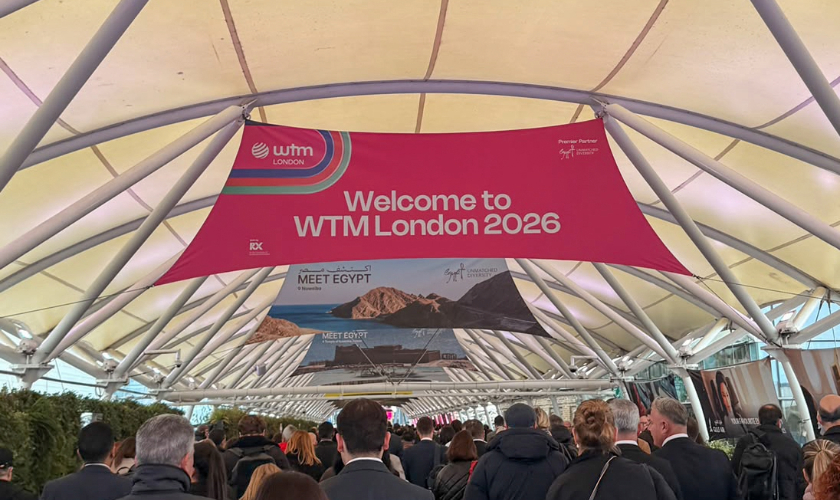
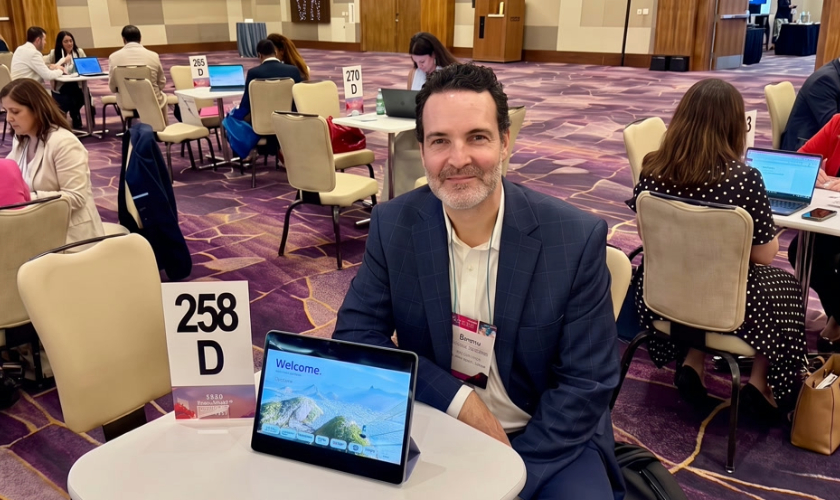
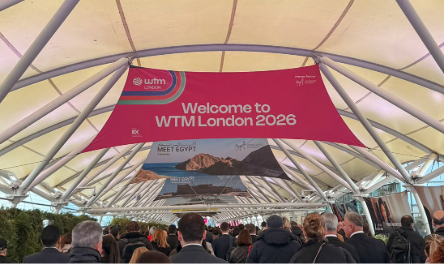
If you want to know where the travel industry is heading, London in early November is a good place to stand still and listen. From November 3rd to 5th, Blumar took part in WTM London 2026 at ExCeL London, represented by Paula Santos and Carolina Hue at the Brazil stand. The edition turned out to be the one with the largest buyer turnout in the show's history, and Brazil arrived with the biggest pavilion it has brought to London in years. This is what happened, what the numbers say, and what we carried back to Rio.
The Edition That Broke Its Own Buyer Record
WTM London is one of the world's leading B2B travel events, and the 2026 edition set a new benchmark where it matters most for an exhibitor: the quality and volume of buyers in the room. Accredited buyers grew 50% year on year, comfortably beating the 35% rise the organisers had projected, with more than 12,000 approved buyers attending. Add over 4,000 registered media and more than 180 countries represented, and you have three days in which the global travel trade is concentrated under one roof.
The scale of the show was already considerable. The 2025 edition, itself described by the organisers as the most successful in its history, drew 46,500 attendees from 182 countries and generated £2.2 billion in business deals. The 2026 jump in buyer numbers, confirmed by exhibition director Chris Carter-Chapman, is the clearest signal yet that the industry is in an expansion cycle rather than a recovery one.
Brazil Showed Up in Force
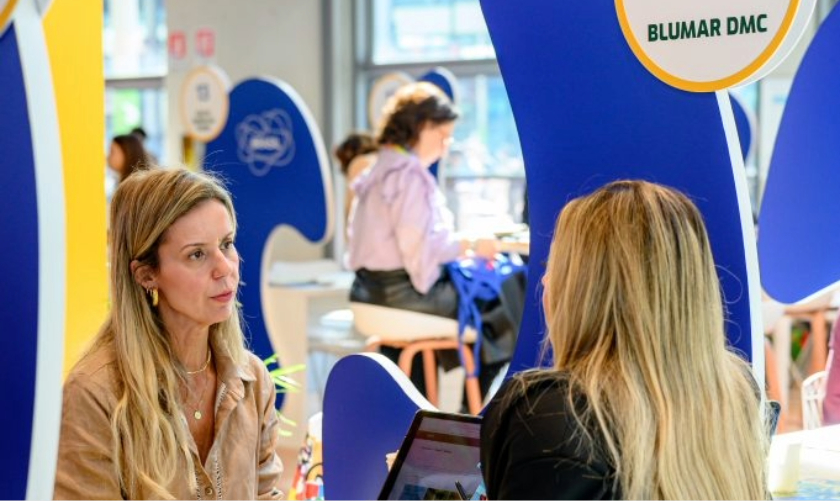
Brazil's presence matched the moment. Organised by Embratur, the Brazilian pavilion at ExCeL covered more than 400 square metres and hosted 54 co-exhibitors, from state and city destinations to airlines, hotel groups and receptive operators, Blumar among them.
The programming went well beyond the stand. Embratur used the fair to launch a new international Carnival campaign, produced with Beautiful Destinations and spotlighting Salvador, Recife and Rio de Janeiro, and to present a campaign for the Brazilian host cities of the 2027 FIFA Women's World Cup. There was also the Brasil BioMarket, dedicated to biodiversity tourism, and a Brazilian gastronomy presentation by chef Rafael Cagali. Brazil's Minister of Tourism, Gustavo Feliciano, attended and framed the country's position plainly: being on one of global tourism's biggest stages lets Brazil show that it is now leading trends rather than following them.
What the Numbers Say About Europe
The timing of a fair in London is worth reading against the data. Between January and September 2026, arrivals to Brazil from the United Kingdom reached 148,429 travellers, an 11.3% increase over the same period of 2025. And the UK is not an outlier: Portugal grew 21.3% with 216,360 arrivals, the Netherlands 20.3% with 52,460, and Spain 17.5% with 130,488.
Behind those percentages sits a country coming off its strongest year ever, with 9.3 million international arrivals in 2025. For a British or European operator weighing whether to build or expand a Brazil programme, this is the relevant context: demand is already there and growing at double digits, which changes the question from whether to sell Brazil to how to operate it well.
What Blumar Brought to London
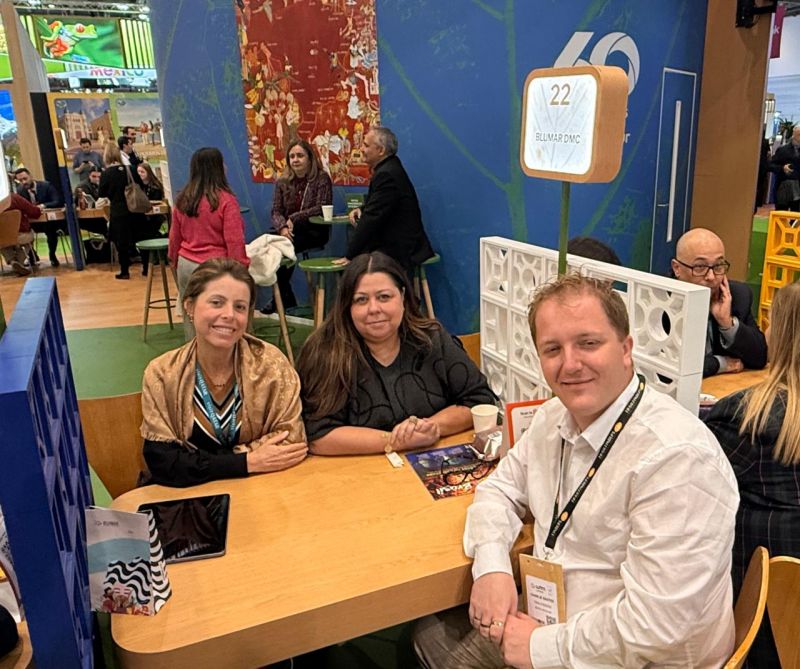
Photo: Carolina Hue / Blumar DMC
We arrived with news rather than a brochure. The conversations at the Brazil stand were built around four things:
- New hotel openings across Brazil, which keep reshaping what is possible in a high-end itinerary, particularly outside the Rio and São Paulo axis.
- Salvador, one of our destinations of the year. Brazil's first capital and the heart of Afro-Brazilian culture, with a historic centre, a food scene and a musical tradition that give a European client a reason to go beyond the obvious.
- The Route of Emotions, our other destination of the year, connecting Jericoacoara, the Parnaíba Delta and the Lençóis Maranhenses across three northeastern states, a landscape sequence with no equivalent anywhere else.
- Two new experiences: the Coffee Valley, with its imperial-era coffee estates a short drive from Rio de Janeiro, and the Quilombo Cafundá Astrogilda, a community-based experience rooted in quilombola heritage, in Rio's own western zone.
Those last two matter more than their size suggests. The European traveller asking for authenticity is not asking for a staged version of it, and community-based tourism done properly, with the community leading and benefiting, is exactly the kind of product that a local DMC can build and a distant operator cannot improvise. It is the same logic we set out in our guide to what a destination management company in Brazil does.
Closing a Year on the World's Stages
WTM London closed a 2026 in which Blumar made a deliberate point of being present wherever the industry meets: ITB China in Shanghai, FIEXPO Latin America in Costa Rica, the 82nd IATA Annual General Meeting in Rio de Janeiro, where Blumar Congressos & Eventos served as the official agency, Virtuoso Travel Week in Las Vegas, PlannerConnect in the American Midwest, TTG Travel Experience in Rimini, and now London.
Seven stages across four continents, one purpose. Being in the room is how we build partnerships, read where demand is heading before it shows up in the statistics, and bring that reading back to the clients who trust us with their travellers, as described on our company profile.
From London to Your Next Brazil Programme
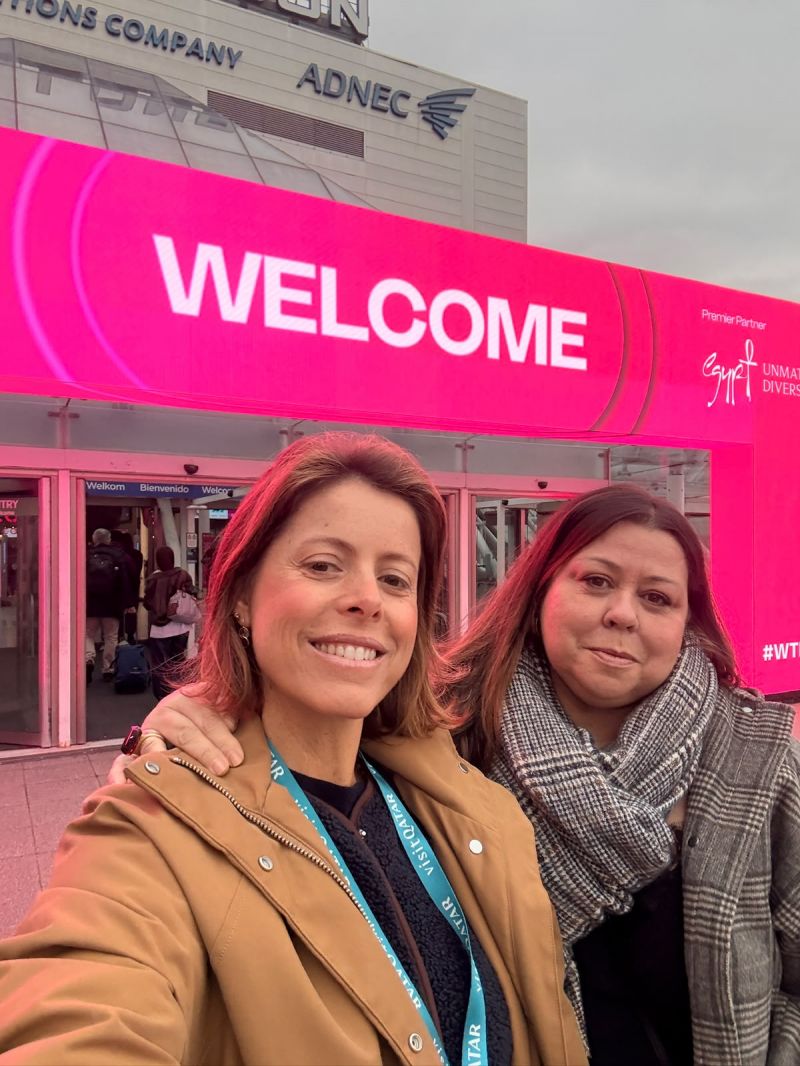
Photo: Carolina Hue / Blumar DMC
London confirmed what the data already suggested: European appetite for Brazil is real, growing, and no longer concentrated in the usual destinations. The operators who move now will be the ones selling Salvador, the Route of Emotions and community-based experiences in 2027 and 2028, while everyone else is still selling the postcard.
To the partners who sat down with Paula and Carolina at the Brazil stand, thank you for the conversations. They continue now. To design a Brazil programme for your clients, visit the official Blumar DMC website.