Português
 English
 Español
 Français
 Deutsch
 Italiano
 日本語
 العربية
 中文
Imagine hiking along trails surrounded by the world's largest tropical rainforest, admiring spectacular waterfalls, navigating rivers teeming with wildlife, or swimming in crystal-clear waters surrounded by extraordinary biodiversity.
These experiences are part of a remarkable natural heritage that places Brazil among the world's leading ecotourism destinations.
With six major terrestrial biomes, breathtaking landscapes, and hundreds of protected areas, Brazil offers exceptional opportunities for travelers seeking responsible travel, pristine natural environments, and a genuine connection with nature.
From the wetlands of the Pantanal to the dunes of Lençóis Maranhenses, through the Amazon, the Cerrado, and the Atlantic Forest, Brazil's national parks offer experiences that combine adventure, scenic beauty, environmental education, and appreciation for local communities.
But what makes Brazil such an extraordinary destination for nature tourism? Which national parks deserve a place on your next itinerary? And how can you plan a trip that respects the environment without compromising comfort and safety?
In this article, you'll discover why Brazil stands out on the international ecotourism scene, explore some of its most fascinating natural parks, and learn how Blumar DMC can turn these destinations into unforgettable travel experiences.
Why Is Brazil One of the World's Leading Ecotourism Destinations?
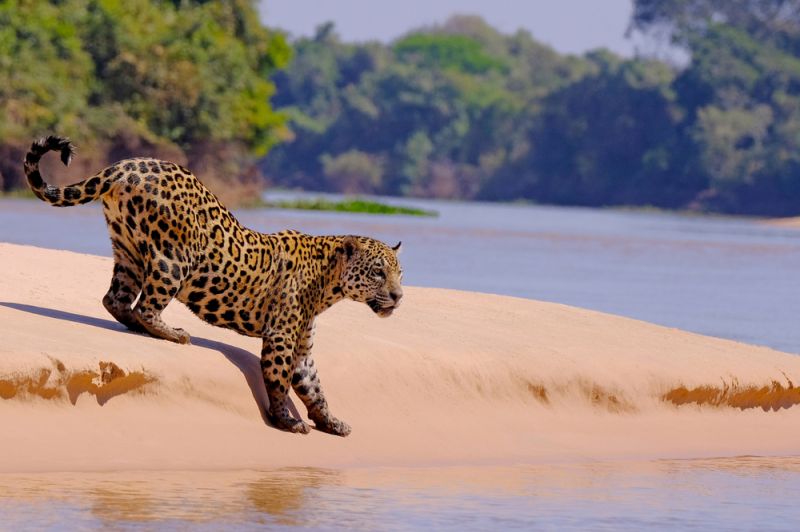
Photo: reisegraf.ch / Shutterstock.com
Brazil is home to some of the planet's greatest natural treasures. Its vast territory, diverse climates, and remarkable variety of ecosystems make it possible to enjoy an extraordinary range of ecotourism experiences within a single country.
According to Brazil's Ministry of the Environment and Climate Change, the country encompasses six continental biomes: the Amazon, Caatinga, Cerrado, Atlantic Forest, Pampa, and Pantanal. Each has its own distinctive vegetation, wildlife, landscapes, and cultural traditions.
This diversity is one of Brazil's greatest competitive advantages in international tourism.
Biodiversity: A Natural Heritage of Global Importance
Brazil is recognized as one of the world's megadiverse countries. According to the Ministry of the Environment, it is home to approximately 15% to 20% of global biodiversity, depending on the biological groups and criteria considered.
This means that traveling through Brazil offers extraordinary opportunities to observe wildlife and plant species, discover unique ecosystems, and understand the importance of environmental conservation.
Some of the highlights that make the country so special include:
-
Diverse landscapes: Tropical rainforests, mountains, canyons, waterfalls, beaches, dunes, and wetlands.
-
Remarkable wildlife: Jaguars, macaws, toucans, river dolphins, caimans, and countless other species.
-
Authentic experiences: Interpretive nature walks, birdwatching, boat excursions, and visits to traditional communities.
-
Internationally recognized heritage: Brazilian natural areas inscribed on the UNESCO World Heritage List.
-
Experiences for every type of traveler: Adventure itineraries, family vacations, luxury travel, and peaceful nature-focused activities.
Beyond its breathtaking scenery, Brazil offers visitors the opportunity to understand the relationship between nature, culture, and conservation.
The Natural Parks That Make Brazil a Leading Ecotourism Destination
Brazil is home to national parks with remarkably different characteristics. Some are internationally renowned, while others protect landscapes that remain relatively untouched by mainstream tourism.
Discover seven destinations that help explain why Brazil ranks among the world's leading ecotourism destinations.
1. Lençóis Maranhenses National Park: A Spectacular Landscape of Dunes and Lagoons
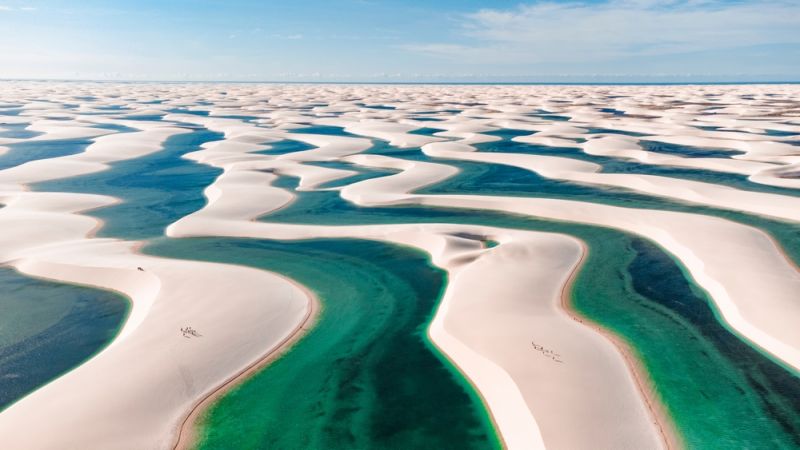
Photo: Wilson Santos Marques / Shutterstock.com
Located in the state of Maranhão, Lençóis Maranhenses National Park features an extraordinary landscape of vast white sand dunes and seasonal freshwater lagoons formed by rainfall.
In 2024, the park was designated a UNESCO Natural World Heritage Site, reinforcing its outstanding environmental and scenic importance.
Popular experiences include excursions in authorized vehicles, hiking across the dunes, swimming in the lagoons, and watching spectacular sunsets.
When to visit: Generally between June and September, when many lagoons are filled following the rainy season. Rainfall levels vary from year to year.
The destination can also be combined with Atins, Santo Amaro, and the famous Route of Emotions, which connects the states of Maranhão, Piauí, and Ceará.
2. Iguaçu National Park: The Magnificence of the Waterfalls
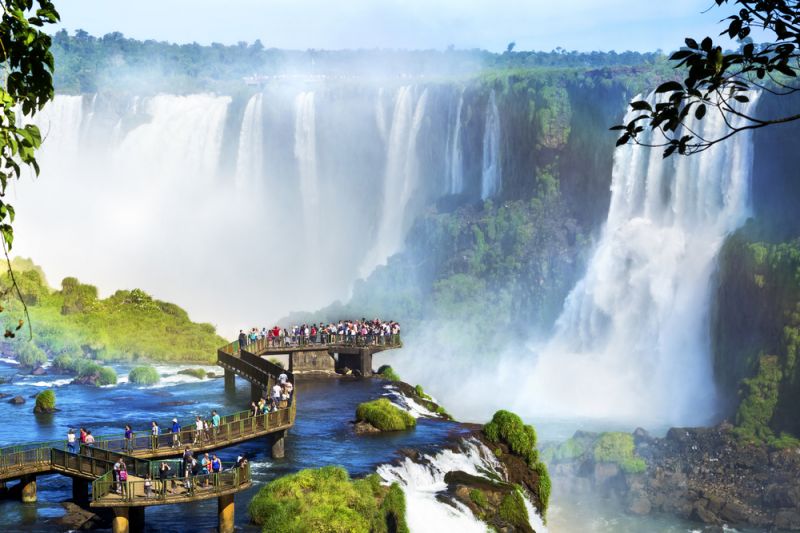
Photo: R. M. Nunes / Shutterstock.com
Located in the state of Paraná, Iguaçu National Park protects one of the world's most impressive waterfall systems.
Recognized as a UNESCO Natural World Heritage Site since 1986, the park preserves an important area of Atlantic Forest and is home to species such as jaguars, coatis, toucans, and butterflies.
Iguazu Falls are undoubtedly the main attraction, but the park also offers opportunities for wildlife observation, hiking, and adventure activities operated by authorized providers.
When to visit: Year-round. During wetter periods, the waterfalls may have a greater volume of water. In drier seasons, individual cascades can become more clearly defined.
The destination is particularly appealing to families, couples, and travelers looking to combine nature, comfort, and well-developed tourism infrastructure.
3. Pantanal Matogrossense National Park: A Wildlife Sanctuary
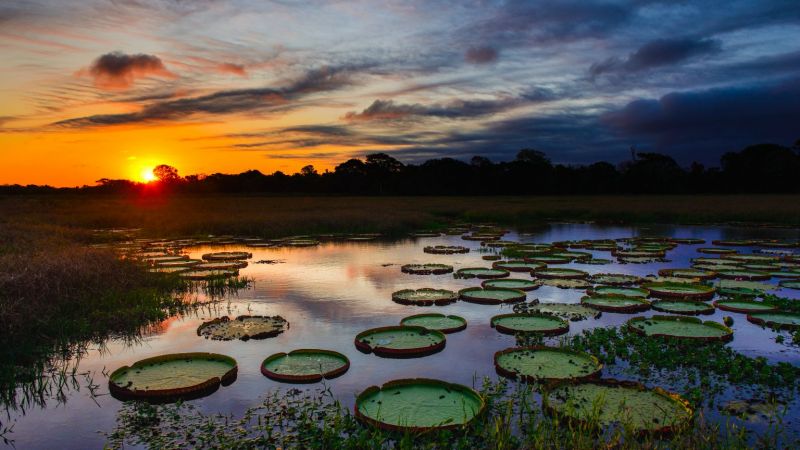
Photo: Christophe Schultz / Shutterstock.com
Pantanal Matogrossense National Park protects part of one of the world's largest tropical floodplains.
The region is recognized by UNESCO as part of the Pantanal Conservation Area, a Natural World Heritage Site since 2000.
This ecosystem is a paradise for wildlife watching. Its most iconic species include jaguars, hyacinth macaws, jabiru storks, capybaras, and caimans.
It is worth noting that many of the Pantanal's best-known photographic safaris take place on private properties and in conservation areas near the national park, rather than necessarily within its boundaries.
When to visit: The dry season, generally from May to October, usually provides better wildlife-viewing opportunities, particularly around rivers and lagoons.
For a more comprehensive experience, specialized guides and accommodations committed to environmentally responsible practices are highly recommended.
4. Chapada dos Veadeiros National Park: Waterfalls and Cerrado Landscapes
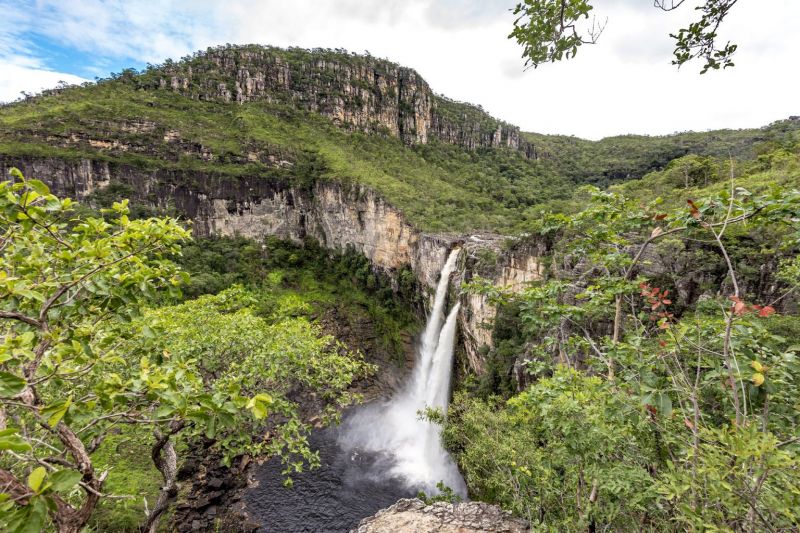
Photo: Augusto Miranda / MTur
Located in Goiás, Chapada dos Veadeiros National Park is one of Brazil's most fascinating destinations for travelers who enjoy hiking, waterfalls, and spending time in nature.
The park is part of the Cerrado Protected Areas recognized by UNESCO as a Natural World Heritage Site.
Its trails cross ancient rock formations, native grasslands, and landscapes that showcase the extraordinary diversity of the Cerrado savanna.
Highlights include the Saltos do Rio Preto waterfalls, the Cânions, and the Cariocas waterfalls, with access subject to current park regulations and visiting conditions.
When to visit: Between May and September, during the dry season, when hiking trails generally offer better conditions. Visitors should bring sufficient water, sun protection, and appropriate footwear.
5. Anavilhanas National Park: Experiencing the Amazon Up Close
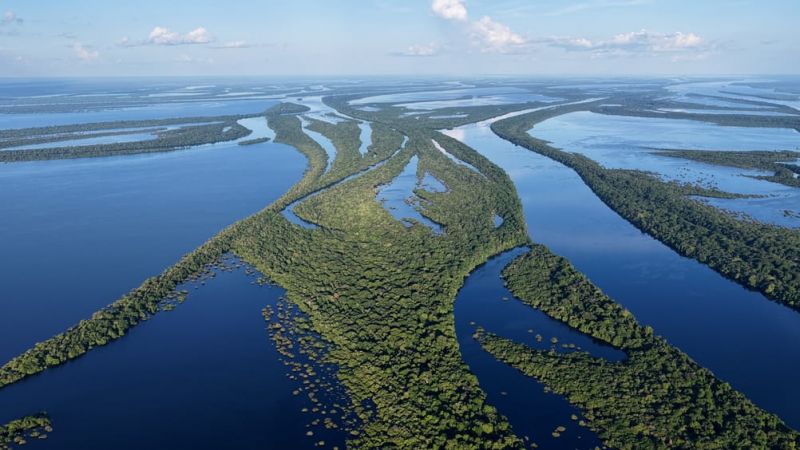
Photo: ByDroneVideos / Shutterstock.com
Located near Novo Airão in the state of Amazonas, Anavilhanas National Park protects an extraordinary river archipelago along the Rio Negro.
The landscape consists of hundreds of islands, waterways, flooded forests, and river beaches that emerge at certain times of the year.
A visit offers an immersive Amazon experience, with boat excursions, wildlife observation, authorized nature walks, and opportunities to discover the region's rich cultural heritage.
When to visit: It depends on the experience you are looking for. During the high-water season, boat trips through the igapós (seasonally flooded forests) reveal the Amazon's submerged landscapes. As water levels recede, river beaches emerge, creating new opportunities for exploration.
Anavilhanas can also be included in itineraries combining Manaus, rainforest lodges, and experiences led by local guides.
6. Fernando de Noronha Marine National Park: Conservation and Marine Life
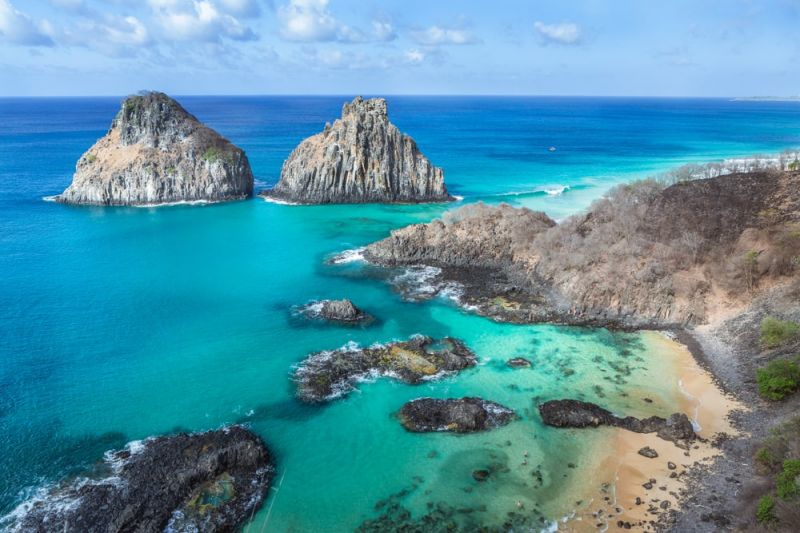
Photo: Carlos Grillo / Shutterstock.com
Fernando de Noronha Marine National Park protects part of an archipelago renowned for its transparent waters and remarkable marine biodiversity.
The destination is part of the Brazilian Atlantic Islands UNESCO Natural World Heritage Site.
Popular activities include scuba diving, snorkeling, hiking, and marine wildlife observation, always in accordance with conservation regulations.
Visitors may encounter sea turtles, rays, tropical fish, and dolphins in their natural habitats, although wildlife sightings can never be guaranteed.
When to visit: From August to October, sea conditions are generally favorable for water activities at various locations. Between December and March, larger waves attract surfers.
A visit requires advance planning, as environmental fees, access regulations, and restrictions on certain activities apply.
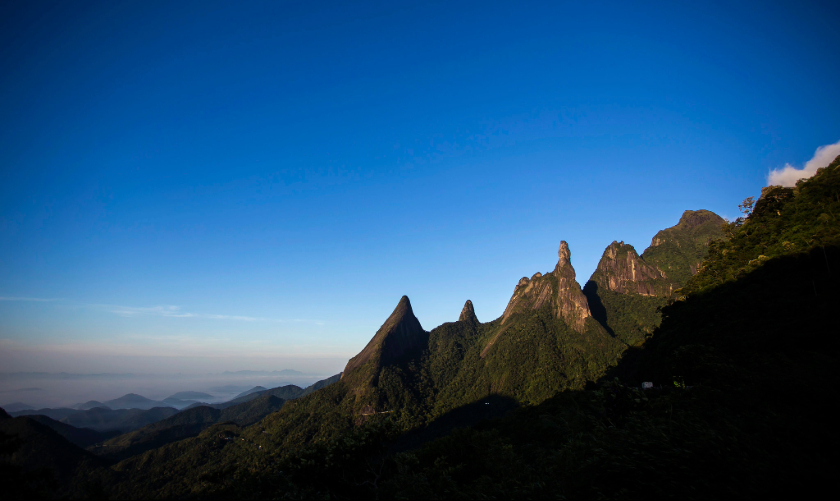
7. Serra dos Órgãos National Park: Mountains and Atlantic Forest
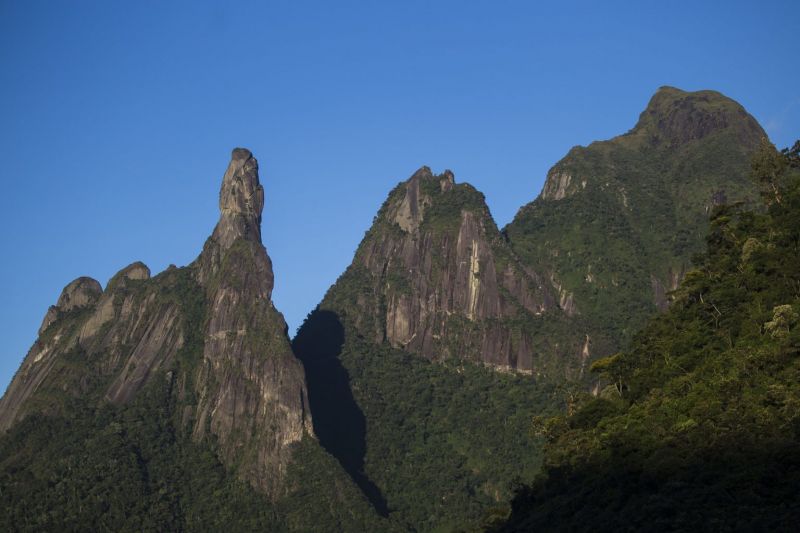
Photo: Bruna Prado / MTur
Located in the mountainous region of Rio de Janeiro state, Serra dos Órgãos National Park offers dramatic mountain scenery, hiking trails, and the rich biodiversity of the Atlantic Forest.
The park is famous for its iconic rock formations, including Dedo de Deus (God's Finger), and trails suited to different levels of experience.
The renowned Petrópolis–Teresópolis crossing is considered one of Brazil's classic trekking adventures and is recommended for hikers with appropriate physical fitness and experience.
When to visit: Between May and September, when conditions are generally drier and more favorable for mountain hiking.
For travelers who prefer gentler activities, certain sections of the park offer shorter walks and easier trails, depending on access conditions.
Which Brazilian National Park Best Suits Your Travel Style?
Each destination offers a different experience. The ideal choice depends on your interests, the time of year, your fitness level, and your preferred degree of comfort.
|
Traveler Profile |
Recommended Park |
Main Experience |
|---|---|---|
|
Lovers of unique landscapes |
Lençóis Maranhenses |
Dunes and lagoons |
|
Families and couples |
Iguaçu |
Waterfalls and nature |
|
Wildlife photographers |
Pantanal and surrounding areas |
Wildlife watching |
|
Adventure seekers |
Chapada dos Veadeiros |
Hiking and waterfalls |
|
Amazon enthusiasts |
Anavilhanas |
River excursions and rainforest |
|
Ocean lovers |
Fernando de Noronha |
Diving and marine life |
|
Trekking enthusiasts |
Serra dos Órgãos |
Mountains and multi-day hikes |
The best experience is not always found in the most famous park. Often, a tailor-made itinerary allows travelers to discover quieter landscapes and enjoy nature at a more relaxed pace.
Ecotourism Growth in Brazil: The Numbers
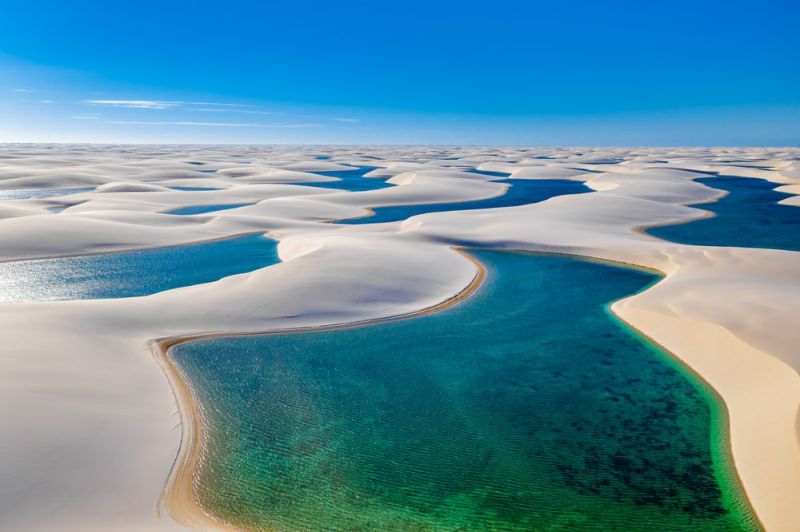
Photo: jocaphoto / Shutterstock.com
The importance of natural parks extends far beyond biodiversity conservation. These protected areas also contribute to job creation, community development, and the economic growth of tourism destinations.
According to data released by ICMBio (Brazil's Chico Mendes Institute for Biodiversity Conservation) in May 2026, the country's federal protected areas reached a new visitation record in 2025.
- Visits to federal protected areas in 2025: 28.5 million
- Visits to national parks: 13.6 million
- Estimated contribution to GDP: BRL 20.3 billion
- Jobs supported: 332,500
Ecotourism vs. Sustainable Tourism: What's the Difference?
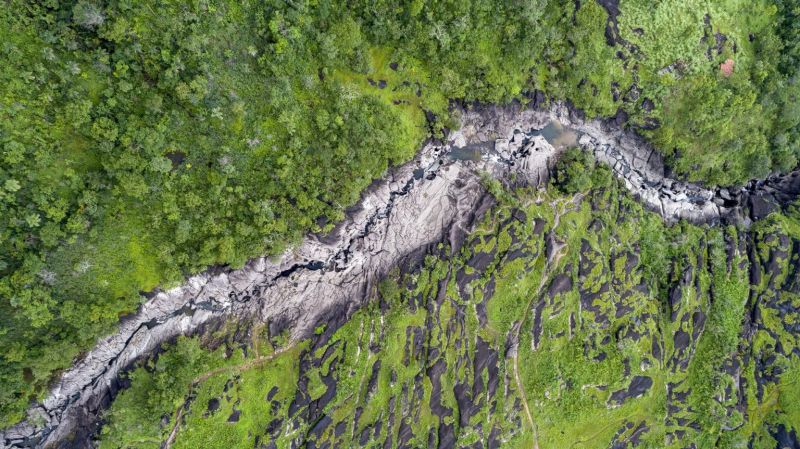
Photo: Augusto Miranda / MTur
Although the two concepts are closely related, ecotourism and sustainable tourism are not exactly the same.
Ecotourism is a segment of tourism based on responsible visits to natural environments, emphasizing conservation, environmental interpretation, and the well-being of local communities.
Sustainable tourism, on the other hand, is a broader concept. It encompasses practices designed to minimize negative environmental, social, and economic impacts across all types of tourism, whether in a rainforest, a historic city, or a beach destination.
How Can You Practice Responsible Ecotourism?
To enjoy Brazil's national parks without compromising their preservation, certain practices are essential:
-
Stay on marked trails, respect visitor limits, and follow park management guidelines.
-
Never feed, touch, or chase wild animals.
-
Take your waste with you and minimize the use of disposable materials.
-
Hire authorized local guides and service providers.
-
Respect and support traditional communities, their knowledge, and their cultural expressions.
-
Avoid excessive noise and activities that may disturb wildlife.
-
Choose tour operators that demonstrate a genuine commitment to environmentally responsible practices.
Small decisions made during a trip can help protect the places that make Brazil such an extraordinary destination.
How to Plan an Ecotourism Trip to Brazil
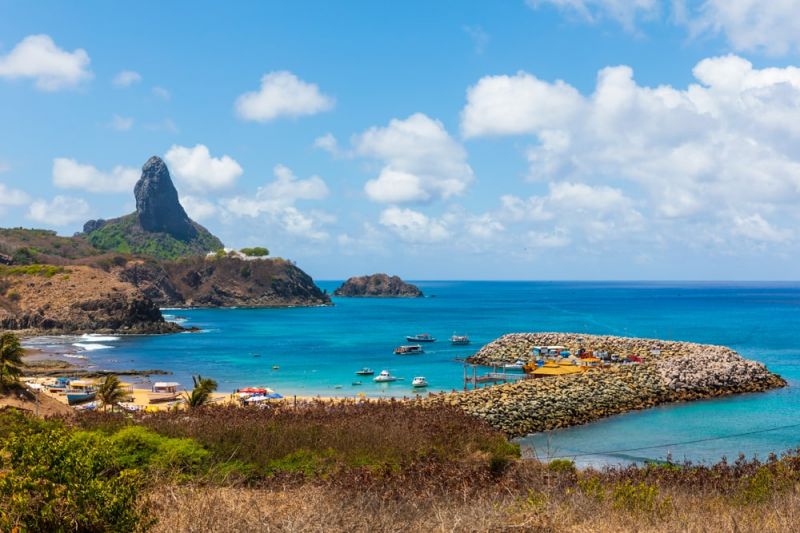
Photo: Reuber Duarte / Shutterstock.com
Being one of the world's leading ecotourism destinations does not mean that every natural attraction in Brazil can be visited in the same way or at any time of year.
Seasonality is one of the most important factors to consider when planning a trip.
In Lençóis Maranhenses, for example, water levels in the lagoons fluctuate according to rainfall. In the Pantanal, seasonal floods and dry periods affect transportation and wildlife-viewing opportunities. In the Amazon, changing river levels completely transform the landscapes and available experiences.
A well-designed itinerary should therefore consider travel dates, trip duration, transportation, activity difficulty, and access conditions.
How Much Time Should You Spend Exploring Brazil's Natural Parks?
|
Destination |
Suggested Stay |
|---|---|
|
Lençóis Maranhenses |
3–5 days |
|
Foz do Iguaçu |
2–4 days |
|
Pantanal |
4–6 days |
|
Chapada dos Veadeiros |
4–6 days |
|
Amazon and Anavilhanas |
4–6 days |
|
Fernando de Noronha |
5–7 days |
|
Serra dos Órgãos |
1–4 days |
These suggested durations allow travelers to enjoy each destination at a comfortable pace. Combined itineraries, expeditions, and specialized activities may require additional time.
It is also important to consult ICMBio's official information channels before traveling. Some protected areas have specific access regulations, entrance fees, mandatory guide requirements, or advance booking procedures.
Why Explore Brazil's National Parks with Blumar DMC?
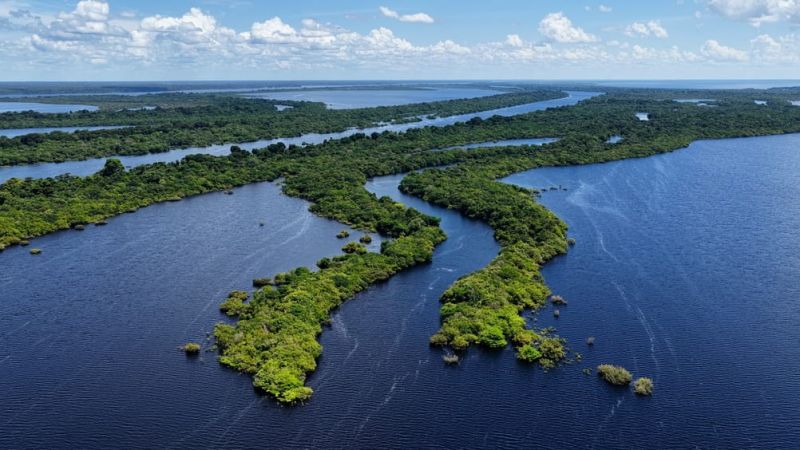
Photo: ByDroneVideos / Shutterstock.com
Exploring Brazil's natural parks can be a truly transformative experience. However, traveling to remote regions, covering long distances, and organizing activities in natural environments requires careful planning.
This is where Blumar DMC becomes a valuable partner for travelers looking to discover Brazil through well-organized, comfortable, and personalized experiences.
With four decades of experience in Brazilian tourism, Blumar combines extensive destination knowledge, logistical expertise, and hospitality experience to create itineraries tailored to different traveler profiles.
Tailor-Made Itineraries for Different Travel Experiences
Every traveler has a unique way of connecting with nature.
Some dream of photographing jaguars in the Pantanal. Others prefer navigating Amazonian rivers, exploring the lagoons of Lençóis Maranhenses, or combining gentle nature walks with sophisticated accommodations.
Blumar can design itineraries based on individual interests, travel pace, budget, available time, and specific requirements.
A Trusted Network of Partners and Attention to Detail
Choosing the right accommodations, transportation, and local operators makes a significant difference, particularly in destinations with more complex access conditions.
Through its network of trusted partners, Blumar aims to provide high-quality services, reliable logistical support, and experiences that meet each client's expectations.
Planning also takes into account the environmental characteristics of each region, current visitor conditions, and the need for specialized professionals.
Nature, Comfort, and Authentic Experiences
Ecotourism does not necessarily mean sacrificing comfort.
Across many Brazilian destinations, travelers can combine outdoor adventures with luxury accommodations, regional cuisine, private services, and meaningful cultural experiences.
The goal is to create a balanced journey in which discovering nature goes hand in hand with thoughtful organization, safety, and respect for the places visited.
Brazil: A Natural Heritage Worth Discovering and Preserving
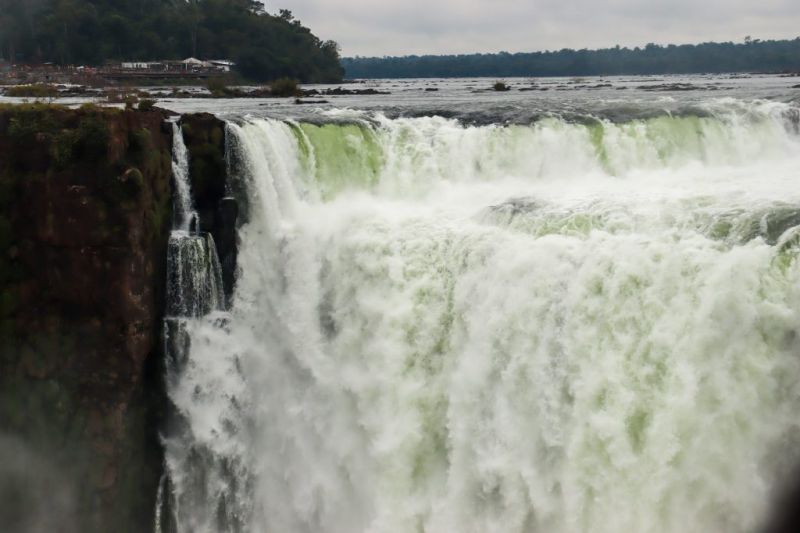
Photo: Guilherme Ferreira / Blumar DMC
Brazil brings together natural treasures that few destinations can offer in such extraordinary diversity: tropical rainforests, wetlands, mountains, waterfalls, beaches, dunes, and biodiversity of global importance.
Its national parks are much more than tourist attractions. They are essential areas for protecting species, conserving ecosystems, and preserving Brazil's natural and cultural heritage.
Growing visitor numbers demonstrate that more and more travelers are seeking authentic experiences that connect them with nature and create lasting memories.
It is this combination of environmental richness, diverse experiences, and opportunities for responsible travel that makes Brazil one of the world's leading ecotourism destinations.
Ready to Turn All This Natural Diversity into Your Next Adventure?
Blumar DMC can help you discover Brazil's natural parks through tailor-made itineraries, carefully selected services, and experiences that showcase the very best of each destination.
Visit the Blumar DMC website and start planning an unforgettable journey through Brazil's natural wonders.
Posts you might also be interested in:
- Lençóis Maranhenses: A UNESCO World Heritage Site
- When to Visit the Pantanal
- Foz do Iguaçu with Teenagers: An Unforgettable Adventure
- Discover the Best Ecotourism Destinations in Brazil with Blumar DMC
- What Is the Best Time to Visit the Parnaíba Delta?
FAQ – Ecotourism in Brazil: Best National Parks, Wildlife and Sustainable Travel
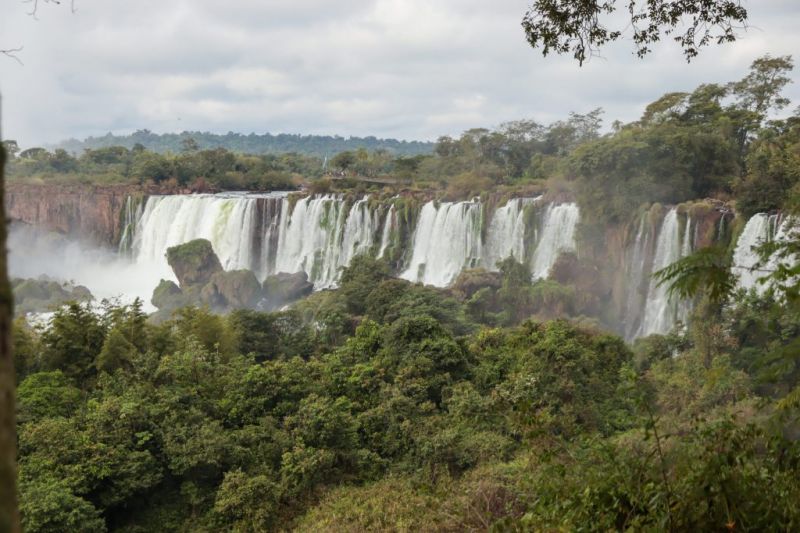
Photo: Guilherme Ferreira / Blumar DMC
1. Why is Brazil one of the world's leading ecotourism destinations?
Brazil is one of the world's leading ecotourism destinations because of its extraordinary biodiversity, six major terrestrial biomes, extensive protected areas, and diverse natural landscapes. Travelers can explore the Amazon Rainforest, Pantanal wetlands, spectacular waterfalls, mountains, tropical beaches, and unique ecosystems while enjoying responsible nature-based experiences.
2. What makes Brazil unique for nature tourism?
Brazil combines remarkable biodiversity with a wide variety of ecosystems and cultural traditions. Visitors can observe wildlife in the Pantanal, explore rainforest waterways in the Amazon, swim in the lagoons of Lençóis Maranhenses, and discover the waterfalls of Iguaçu National Park, all within one country.
3. What are the six major biomes of Brazil?
Brazil has six major continental biomes: the Amazon, Atlantic Forest, Cerrado, Caatinga, Pantanal, and Pampa. Each features distinctive landscapes, vegetation, wildlife, and ecological characteristics, providing different opportunities for ecotourism and environmental exploration.
4. Is Brazil a good destination for sustainable tourism?
Yes. Brazil offers numerous opportunities for sustainable tourism, particularly in protected natural areas and destinations that support conservation and local communities. Choosing responsible tour operators, respecting environmental regulations, and supporting local businesses can help minimize tourism's negative impacts.
5. What are the best national parks to visit in Brazil?
Some of the best national parks for ecotourism in Brazil include:
-
Lençóis Maranhenses National Park: White sand dunes and seasonal freshwater lagoons.
-
Iguaçu National Park: Spectacular waterfalls and Atlantic Forest biodiversity.
-
Pantanal Matogrossense National Park: Wetland ecosystems and remarkable wildlife.
-
Chapada dos Veadeiros National Park: Cerrado landscapes, waterfalls, and hiking trails.
-
Anavilhanas National Park: Amazonian waterways and flooded forests.
-
Fernando de Noronha Marine National Park: Marine biodiversity, snorkeling, and diving.
-
Serra dos Órgãos National Park: Mountain scenery and Atlantic Forest trekking.
6. Which Brazilian national parks are UNESCO World Heritage Sites?
Several Brazilian national parks are recognized by UNESCO, either individually or as part of larger protected areas. These include Iguaçu National Park, Lençóis Maranhenses National Park, Pantanal Matogrossense National Park, Chapada dos Veadeiros National Park, and Fernando de Noronha Marine National Park.
Their recognition highlights the exceptional natural value of these destinations and the importance of protecting their ecosystems.
7. What is special about Lençóis Maranhenses National Park?
Lençóis Maranhenses National Park, in Maranhão, is famous for its vast white sand dunes and seasonal freshwater lagoons created by rainfall. Visitors can enjoy guided excursions, swimming, hiking, and spectacular sunsets. The park became a UNESCO Natural World Heritage Site in 2024.
8. Why should travelers visit Iguaçu National Park?
Iguaçu National Park is home to the magnificent Iguazu Falls, one of the world's most impressive waterfall systems. The park also protects Atlantic Forest ecosystems and offers scenic walking trails, wildlife observation, and adventure experiences. Its established tourism infrastructure makes it particularly attractive for families and couples.
9. Is Chapada dos Veadeiros worth visiting?
Absolutely. Chapada dos Veadeiros is one of Brazil's most rewarding ecotourism destinations for hiking enthusiasts. Located in Goiás, the park features dramatic rock formations, Cerrado vegetation, impressive waterfalls, and scenic trails, including routes to Saltos do Rio Preto, Cânions, and Cariocas.
10. What can visitors experience in Anavilhanas National Park?
Anavilhanas National Park offers an immersive Amazon Rainforest experience. Located along the Rio Negro, near Novo Airão, the park features hundreds of islands, waterways, flooded forests, and seasonal river beaches. Activities include guided boat excursions, wildlife observation, and authorized nature walks.
11. What makes Fernando de Noronha a leading marine ecotourism destination?
Fernando de Noronha is internationally recognized for its clear waters, protected marine environments, and exceptional underwater biodiversity. Visitors can enjoy snorkeling, scuba diving, and marine wildlife observation, with opportunities to encounter sea turtles, rays, tropical fish, and dolphins.
12. Where is the best place to see wildlife in Brazil?
The Pantanal is among the best destinations for wildlife watching in Brazil. Its open wetlands and seasonal water patterns provide excellent opportunities to observe jaguars, capybaras, caimans, hyacinth macaws, and numerous bird species. Many specialized wildlife safaris operate in areas surrounding Pantanal Matogrossense National Park.
13. Can tourists see jaguars in the Brazilian Pantanal?
Yes. The Pantanal is one of the world's leading destinations for observing jaguars in their natural habitat, particularly during the dry season. Guided boat safaris and wildlife photography expeditions offer opportunities for sightings, although encounters with wild animals cannot be guaranteed.
14. What are the best national parks in Brazil for hiking?
Chapada dos Veadeiros and Serra dos Órgãos are excellent choices for hiking and trekking. Chapada dos Veadeiros offers waterfall trails and Cerrado landscapes, while Serra dos Órgãos features mountain routes, panoramic viewpoints, and the famous Petrópolis–Teresópolis crossing.
15. Can beginners enjoy ecotourism in Brazil?
Yes. Brazil offers nature experiences for different ages and fitness levels. Beginners can enjoy scenic viewpoints at Iguaçu Falls, guided boat excursions in the Amazon, and shorter nature walks. More experienced travelers can choose demanding mountain treks and multi-day expeditions.
16. Is ecotourism in Brazil suitable for families with children?
Yes. Destinations such as Foz do Iguaçu, selected areas of the Amazon, and Lençóis Maranhenses can provide memorable family experiences. Activities should be selected according to children's ages, physical abilities, seasonal conditions, and safety requirements.
17. What is the best time of year for ecotourism in Brazil?
The best time depends on the destination and the type of experience. Brazil's diverse climates and ecosystems mean that different regions have distinct travel seasons. The dry season is generally preferable for hiking in Chapada dos Veadeiros and wildlife watching in the Pantanal, while Lençóis Maranhenses is especially attractive when its lagoons are filled.
18. When is the best time to visit Lençóis Maranhenses?
June through September is generally the best period to visit Lençóis Maranhenses, when many of the freshwater lagoons are filled following the rainy season. Conditions vary according to annual rainfall, so checking current lagoon levels before traveling is recommended.
19. What is the best season for wildlife watching in the Pantanal?
The dry season, generally from May to October, is usually the best period for wildlife watching in the Pantanal. As water levels decrease, animals often become easier to observe near rivers, lagoons, and remaining water sources.
20. When should travelers visit the Amazon Rainforest?
The Amazon can be visited throughout the year. During the high-water season, travelers can explore flooded forests by boat. During lower-water periods, river beaches emerge and different nature activities become available. The ideal season depends on the experiences travelers want to prioritize.
21. Can Iguaçu National Park be visited year-round?
Yes. Iguaçu National Park welcomes visitors throughout the year. Wetter periods often produce more powerful waterfalls, while drier conditions can reveal individual cascades more clearly. Both seasons offer spectacular scenery.
22. How many days are needed for an ecotourism trip in Brazil?
The recommended duration depends on the destination.
|
Destination |
Suggested stay |
|---|---|
|
Lençóis Maranhenses |
3–5 days |
|
Foz do Iguaçu |
2–4 days |
|
Pantanal |
4–6 days |
|
Chapada dos Veadeiros |
4–6 days |
|
Amazon and Anavilhanas |
4–6 days |
|
Fernando de Noronha |
5–7 days |
|
Serra dos Órgãos |
1–4 days |
Travelers combining multiple destinations should allow additional time for transportation and specialized excursions.
23. Do travelers need a guide to visit Brazilian national parks?
Guide requirements vary by park, trail, and activity. Some attractions allow independent visits, while others require authorized guides or specialized operators. Even when guides are optional, hiring experienced local professionals can improve safety, environmental understanding, and the overall travel experience.
24. Are Brazil's national parks safe for international tourists?
Brazil's national parks can be visited safely with appropriate planning and precautions. Travelers should follow official park regulations, monitor weather conditions, use authorized operators, and choose activities suited to their experience and fitness levels. Remote destinations may require additional logistical preparation.
25. Do Brazilian national parks charge entrance fees?
Some Brazilian national parks charge entrance fees, while others offer free admission or apply specific access conditions. Certain activities may require advance reservations, permits, or additional payments. Visitors should check official ICMBio information and the relevant park's current rules before traveling.
26. What should I pack for an ecotourism trip to Brazil?
Essential items generally include comfortable hiking shoes, lightweight clothing, sun protection, a reusable water bottle, insect repellent, and a waterproof bag. More demanding activities may require specialized equipment. Packing recommendations should always consider the destination, weather conditions, and planned excursions.
27. Can travelers combine multiple Brazilian national parks in one itinerary?
Yes. Brazil offers excellent opportunities for multi-destination ecotourism itineraries. For example, travelers can combine Lençóis Maranhenses with the Route of Emotions, explore the Amazon alongside cultural experiences in Manaus, or combine Rio de Janeiro with Iguaçu Falls. Travel distances and transportation logistics should be considered carefully.
28. What is the difference between ecotourism and sustainable tourism?
Ecotourism focuses specifically on responsible travel to natural areas, emphasizing conservation, environmental education, and benefits for local communities. Sustainable tourism is a broader concept that applies environmental, social, and economic responsibility to all types of tourism, including urban, cultural, and beach destinations.
29. How can tourists practice responsible ecotourism in Brazil?
Travelers can support responsible ecotourism by staying on marked trails, avoiding wildlife disturbance, disposing of waste properly, respecting visitor restrictions, and hiring authorized local guides. Supporting local communities and choosing environmentally responsible accommodations also contribute to more sustainable travel.
30. Why are national parks important for biodiversity conservation?
National parks protect essential habitats, native species, and ecological processes. They also support scientific research, environmental education, and responsible tourism. In Brazil, these protected areas play an important role in conserving ecosystems of global significance.
31. How does ecotourism benefit local communities in Brazil?
When managed responsibly, ecotourism generates employment and business opportunities for local guides, accommodation providers, transportation services, restaurants, and artisans. It can also encourage cultural preservation and create economic incentives for environmental conservation.
32. Is ecotourism growing in Brazil?
Yes. According to ICMBio figures released in May 2026, Brazil's federal protected areas recorded approximately 28.5 million visits in 2025, including 13.6 million visits to national parks. The reported economic contribution reached an estimated BRL 20.3 billion to GDP, supporting approximately 332,500 jobs. These figures reflect the growing importance of visitation to protected areas, although they encompass more than ecotourism alone.
33. Is luxury ecotourism available in Brazil?
Yes. Brazil offers opportunities to combine nature-based adventures with high-end accommodations, private guides, personalized transportation, regional gastronomy, and exclusive experiences. Luxury ecotourism is particularly appealing to travelers who value comfort, authenticity, and meaningful connections with nature.
34. Can ecotourism itineraries be customized for different travelers?
Absolutely. Ecotourism itineraries can be tailored for couples, families, photographers, adventure travelers, and nature enthusiasts. Activities, accommodation standards, transportation, and trip duration can be adjusted to suit individual interests and preferences.
35. Why book an ecotourism trip through a Destination Management Company in Brazil?
A Destination Management Company (DMC) provides local expertise, logistical coordination, access to specialized partners, and customized travel planning. This is particularly valuable in Brazil, where distances, seasonal conditions, and park access requirements can make nature-focused itineraries more complex.
36. How can Blumar DMC help organize an ecotourism trip in Brazil?
Blumar DMC designs tailor-made travel experiences throughout Brazil, combining destination expertise with carefully selected accommodations, transportation, and local operators. Its services can help travelers explore the Amazon, Pantanal, Lençóis Maranhenses, Iguaçu Falls, and other natural destinations through personalized itineraries.
37. Can Blumar DMC organize ecotourism experiences for families, couples, and private groups?
Yes. Blumar DMC can create personalized itineraries for different traveler profiles, including families, couples, private groups, and travelers seeking luxury nature experiences. Each itinerary can consider preferred activities, comfort levels, travel dates, and logistical requirements.
38. Which national park should first-time visitors to Brazil choose?
Iguaçu National Park is an excellent choice for first-time visitors because of its iconic waterfalls, accessible tourism infrastructure, and variety of guided experiences. Travelers seeking more adventurous itineraries may prefer Lençóis Maranhenses, Chapada dos Veadeiros, or the Pantanal.
39. What is the best ecotourism destination in Brazil for photographers?
The Pantanal is particularly attractive for wildlife photography, while Lençóis Maranhenses offers dramatic dune and lagoon landscapes. Iguaçu Falls provides spectacular waterfall scenery, and the Amazon offers opportunities to photograph rainforest ecosystems and river environments.
40. Is Brazil worth visiting specifically for ecotourism?
Definitely. Brazil is one of the world's most rewarding destinations for travelers interested in nature, biodiversity, wildlife, and outdoor adventures. Its extraordinary environmental diversity makes it possible to experience several distinct ecosystems and landscapes during a single journey.
41. How can I start planning a tailor-made ecotourism vacation in Brazil?
Start by identifying your preferred destinations, travel dates, interests, and desired comfort level. A specialized DMC such as Blumar can help create an itinerary that considers seasonal conditions, transportation, accommodations, guided activities, and responsible tourism practices.