Português
 English
 Español
 Français
 Deutsch
 Italiano
 日本語
日本語
 العربية
 中文
中文

Why Brazil Is a Major Market for Pharma Events
Brazil is one of the world's largest pharmaceutical markets and a leading destination for medical and scientific congresses, which according to Embratur account for more than 60 percent of the country's international event captures. The combination of a large domestic pharma industry, a strong medical community, and world-class venues makes Brazil a natural choice for product launches, advisory boards, investigator meetings, medical education events, and sponsored participation in scientific congresses.
As we explore in our guide to MICE in Brazil, the country's event infrastructure is mature and internationally competitive. For the pharmaceutical sector specifically, the opportunity is significant, but it comes with responsibilities that define how these events must be planned.
The Compliance Framework: What Governs Pharma Events in Brazil
Pharmaceutical events in Brazil operate within a framework of government regulation and industry self-regulation. Understanding the main elements is essential for any organizer.
- ANVISA: Brazil's National Health Surveillance Agency is the authority overseeing the advertising and promotion of medicines. Resolution RDC 096/2008 regulates the sponsorship of scientific events, and organizers of events where medicines will be promoted are generally required to notify ANVISA in advance, indicating the date, place, and professional categories invited.
- INTERFARMA Code of Conduct: the code of the research-based pharmaceutical industry association is more detailed than the regulation in several respects, addressing transparency, the selection of sponsored professionals on objective criteria, and the appropriateness of venues and hospitality.
- CFM Rule 2.386/2024: the Federal Medical Board has tightened transparency requirements, mandating that physicians disclose certain relationships with pharmaceutical and medical device companies.
- Disclosure of sponsorship: speakers at events and congresses are generally required to disclose company sponsorship and any conflicts of interest at the start of their presentations.
This framework evolves, and the applicable rules should always be verified at the time of planning a specific event with appropriate legal and compliance support.
The Venue Rule Every Pharma Planner Must Know
One compliance point has a direct and significant impact on event design: the INTERFARMA Code of Conduct indicates that locations of primarily touristic appeal are not appropriate for pharmaceutical scientific events, and that venues and hospitality must not be excessive or inappropriate for a healthcare event.
The practical consequence is that pharma events require careful venue selection. A program cannot simply be placed in a resort destination chosen for its leisure appeal; the venue must be justifiable as appropriate for a scientific or professional purpose. This is a critical distinction that separates compliant pharma event planning from general incentive or corporate event planning, and it is an area where a local partner who understands the codes adds immediate value by steering venue choices toward compliant options from the start.
Types of Pharma Events and Their Requirements
Pharmaceutical programs take several forms, each with distinct planning needs:
- Advisory boards: small, high-level meetings of experts that require discretion, appropriate venues, and careful documentation.
- Investigator meetings: gatherings of clinical trial investigators that demand precise logistics and compliant hospitality.
- Medical education events: programs focused on scientific content, where the educational purpose must be clear and primary.
- Product launches: events introducing a product to the medical community, balancing impact with compliance.
- Sponsored congress participation: supporting healthcare professionals' attendance at scientific congresses, subject to disclosure and objective selection requirements.
Each of these requires the program, venue, and hospitality to be designed within the compliance framework, which a knowledgeable local partner builds in from the outset.
Logistics for Pharmaceutical Events
Beyond compliance, pharma events demand rigorous logistics: managing the travel and accommodation of healthcare professionals, coordinating venues and technical setups, handling registration and documentation, and ensuring every element is delivered to a professional standard. For larger events and congresses, this scales to the coordination of hundreds or thousands of participants across multiple properties and transport operations.
The documentation dimension is particularly important in pharma. Compliance often requires clear records of who was sponsored, on what basis, and what hospitality was provided. A local DMC experienced in pharma events understands these requirements and operates accordingly, which protects the client.
Balancing Compliance With a Memorable Program
A common misconception is that compliance and a high-quality experience are in tension. In practice, a skilled partner delivers both. Within the framework, there is ample room to create a professional, well-run, and engaging event that respects the rules while still reflecting the quality of the sponsoring organization.
Brazil's strength here is that its professional venues and cities offer genuinely compelling settings for legitimate scientific and professional events, so the destination delivers impact without crossing into the primarily-touristic territory the codes restrict. The art lies in designing a program that is both compliant and excellent, which is exactly what an experienced local partner provides.
Why a Compliance-Aware Local DMC Is Essential
For pharmaceutical events, the choice of local partner is even more consequential than for general corporate programs, because the partner must combine operational excellence with genuine understanding of the compliance framework. The right DMC steers venue selection toward compliant options, designs hospitality that is appropriate rather than excessive, manages the documentation that compliance requires, and coordinates the logistics to a professional standard.
Blumar brings four decades of operating across Brazil, with the buying power, supplier relationships, and PCO and travel management capabilities described on our company profile. For pharmaceutical companies and their agencies, partnering with an operator that understands both the operation and the rules is the foundation of a successful, compliant event. To discuss a pharma program, visit our Congress and Events area.
Plan a Compliant, High-Impact Pharma Event in Brazil
Pharmaceutical events in Brazil reward partners who understand both the operation and the rules. With the right local expertise, a program can be fully compliant and genuinely excellent, reflecting the standards of the organizations it represents.
To discuss a pharmaceutical event or congress, or to request a proposal, visit the official Blumar DMC website or our Congress and Events area.
Posts you might also be interested in:
- Blumar: The Leading Name in MICE in Brazil
- Destination Management Company Brazil: Why Blumar Leads
- Best DMC in Brazil: Why Blumar Is the Right Choice
- Sustainability in Brazilian MICE: What Event Planners Should Demand in 2026
- MICE in Brazil: The Complete Guide to Meetings, Incentives, Conferences and Events in 2026
Frequently Asked Questions
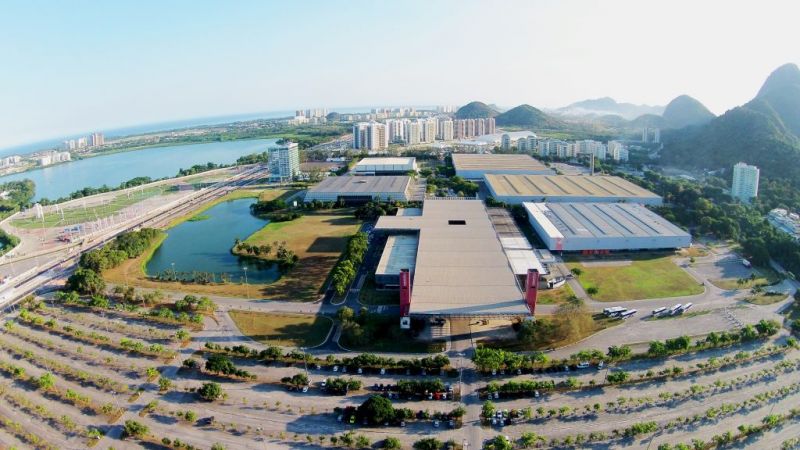
Photo: Disclousure / riocentro.com.br
What rules govern pharmaceutical events in Brazil?
Pharmaceutical events are governed by ANVISA regulation, including Resolution RDC 096/2008 on the sponsorship of scientific events, and by industry self-regulation such as the INTERFARMA Code of Conduct. The Federal Medical Board's Rule 2.386/2024 adds transparency requirements. The framework evolves and should be verified with legal and compliance support for each event.
Can pharmaceutical companies sponsor scientific events in Brazil?
Yes, but under strict conditions. Sponsorship is permitted and regulated, with requirements around transparency, the objective selection of sponsored professionals, disclosure of sponsorship by speakers, and the appropriateness of venues and hospitality. Organizers must generally notify ANVISA in advance when medicines will be promoted.
Why can't a pharma event be held in any resort destination?
The INTERFARMA Code of Conduct indicates that locations of primarily touristic appeal are not appropriate for pharmaceutical scientific events, and that venues and hospitality must not be excessive or inappropriate for a healthcare event. Venue selection must therefore be justifiable as appropriate for a scientific or professional purpose.
What types of pharmaceutical events are common in Brazil?
Common formats include advisory boards, investigator meetings, medical education events, product launches, and sponsored participation in scientific congresses. Each has distinct planning needs and must be designed within the compliance framework.
Why is a compliance-aware DMC important for pharma events?
A pharmaceutical event must combine operational excellence with genuine understanding of the compliance framework. A knowledgeable local DMC steers venue selection toward compliant options, designs appropriate hospitality, manages required documentation, and delivers the logistics to a professional standard, protecting the client throughout.