Português
 English
 Español
 Français
 Deutsch
 Italiano
 日本語
日本語
 العربية
 中文
中文

Rio de Janeiro has a beach for every type of traveler — and that’s not an exaggeration. The city’s coastline stretches for about 86 kilometers, offering everything from lively urban beaches to preserved stretches accessible only by trail.
To make your choice easier, we’ve organized this guide to the best beaches in Rio de Janeiro by region and by type of experience, with tips on access, best times to visit, and the overall “vibe” of each spot. The idea is simple: take a quick look, identify your travel style, and you’ll know exactly where to go tomorrow.
Quick summary: Which of Rio’s best beaches is right for you?
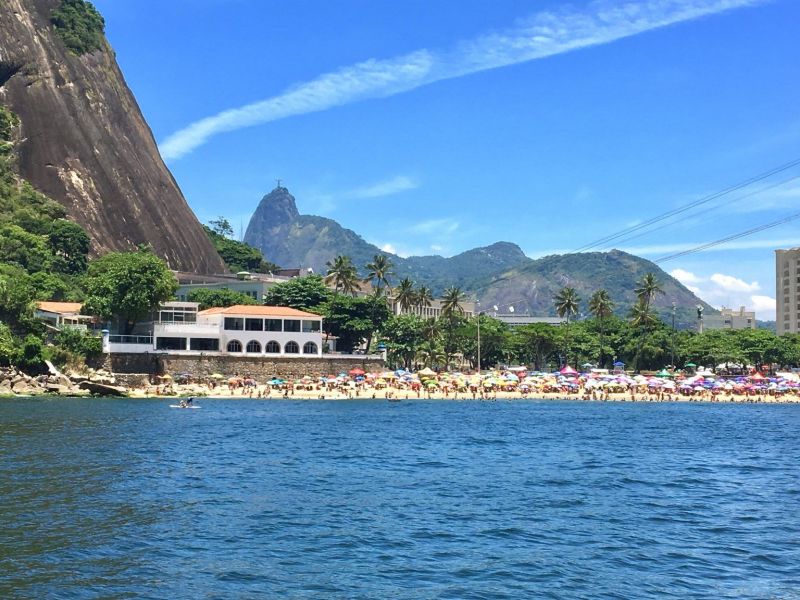
Photo: Bruno Teixeira / Blumar DMC
If you want to decide in under 20 seconds, use this shortcut:
-
First time in Rio and want the classics: Copacabana, Ipanema, Arpoador
-
Traveling with kids and prefer calmer waters: Leblon (Baixo Bebê) and Praia Vermelha
-
Surfing and sporty vibes: Prainha, São Conrado, Grumari
-
Preserved nature with no urban feel: Reserva, Grumari, and the Wild Beaches
-
Hidden and photogenic beach: Joatinga
-
Official naturist beach: Abricó
For an even clearer comparison, check the table below.
| Beach | Best for | Vibe | Highlight |
|---|---|---|---|
| Copacabana & Leme | First-time visitors, full infrastructure | Lively | Iconic promenade, kiosks, nightlife |
| Ipanema | Walking, sports, late afternoons | Stylish | Sunset and authentic carioca atmosphere |
| Arpoador | Sunsets, photos, surfing | Cinematic | Rock formations with open ocean views |
| Leblon | Families and children | Calm | Baixo Bebê kids’ area |
| Praia Vermelha (Urca) | Calm swimming, strolls | Peaceful | View of Sugarloaf Mountain |
| São Conrado | Surfing and adventure | Adventurous | Hang-gliding landings and strong waves |
| Joatinga | Photography and unique scenery | Exclusive | Natural beauty and alternative access |
| Barra da Tijuca | Sports and long beach walks | Versatile | Bike path, kiosks, wide open spaces |
| Praia da Reserva | Peace and nature | Wild | Protected area, 8 km long |
| Prainha | Surfing and nature | Rustic | 700 m surrounded by Atlantic Forest |
| Grumari | Deep contact with nature | Preserved | Municipal park and native landscape |
| Abricó | Naturism | Secluded | Rio’s only official naturist beach |
Best beaches in Rio de Janeiro: How to choose without missing the mark
Before heading out, answer three simple questions:
1) Do you want infrastructure or nature?
-
Infrastructure: kiosks, shops, easy access, more movement
-
Nature: fewer people, a wilder look, sometimes no phone signal and longer access routes
2) Do you prefer calm water or strong waves?
In Rio, sea conditions vary greatly from one beach to another. If calm swimming is a priority, focus on beaches known for gentler waters, such as Praia Vermelha.
3) What time of day do you plan to enjoy the beach?
Some beaches work best at specific times. At Prainha, for example, it’s worth arriving early to enjoy the sun before it disappears behind the mountains in the mid-afternoon.
Best beaches in Rio de Janeiro – South Zone
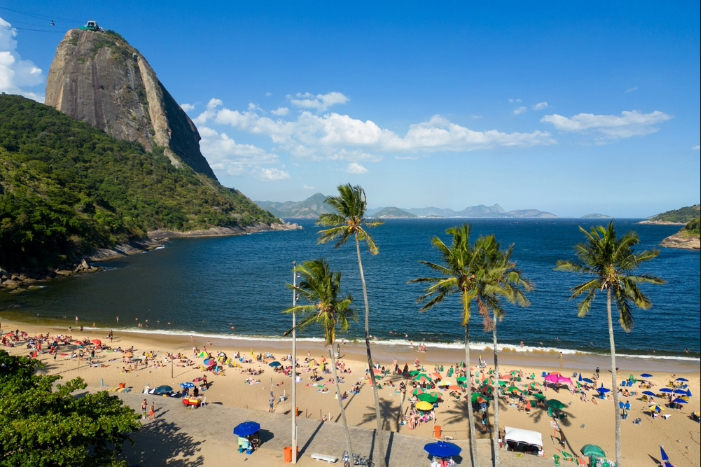
Photo: Donatas Dabravolskas / Shutterstock.com
Copacabana & Leme: Full infrastructure and the Rio everyone imagines
.jpg)
Photo: Luciola Vilella / MTur
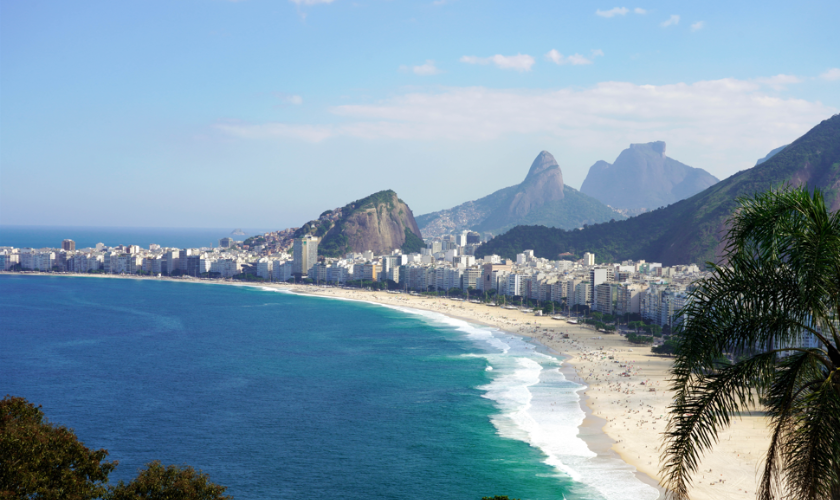
If there’s one beach that defines Rio for the world, it’s Copacabana. And when you combine Copacabana with Leme, the experience becomes even more complete. Together, they stretch for 4.15 km along Avenida Atlântica, from Leme to the Copacabana Fort.
What makes Copacabana one of the best beaches in Rio de Janeiro for practicality:
-
Kiosks, hotels, bars, and restaurants operating day and night
-
Bike paths and bike racks, ideal for walking or cycling at a relaxed pace
-
The famous wave-pattern promenade, inspired by Lisbon and associated with Burle Marx’s iconic design
Experience tip: Visit Copacabana in the morning (beach time and a walk), and save the late afternoon for sunset at Arpoador.
Ipanema: Sports, charm, and a late afternoon that keeps you on the sand
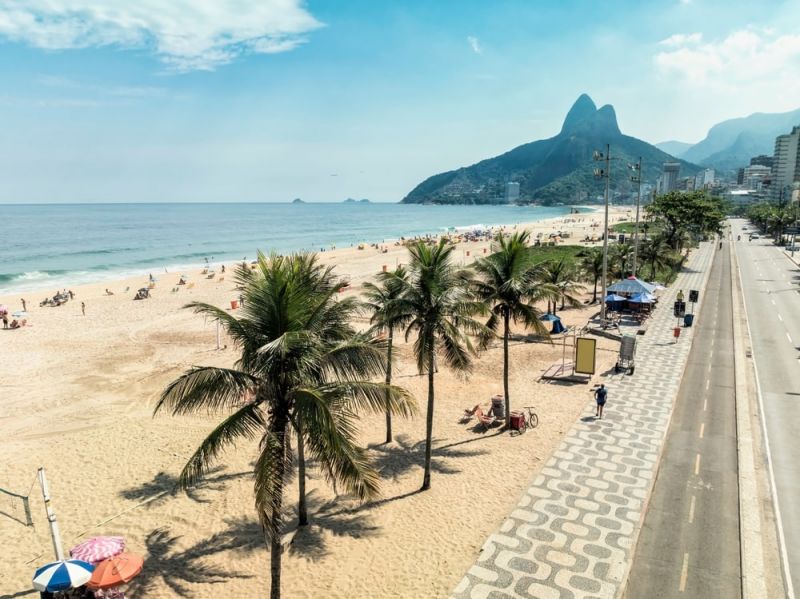
Photo: marchello74 / Shutterstock.com
Ipanema is the kind of beach that makes you want to stay “just a little longer.” The energy is light, beautiful, and unmistakably carioca: people playing footvolley, paddleball, volleyball, surfing, and, of course, sitting on the sand chatting as the day winds down.
Two details visitors love:
-
The sunset often turns into a spontaneous mini celebration, with applause when the sky puts on a good show
-
On Sundays, city authorities close the beachfront lanes to cars until 6 p.m., turning the area into a huge open-air leisure space for walking and cycling
Arpoador: One of the best sunset spots in Rio
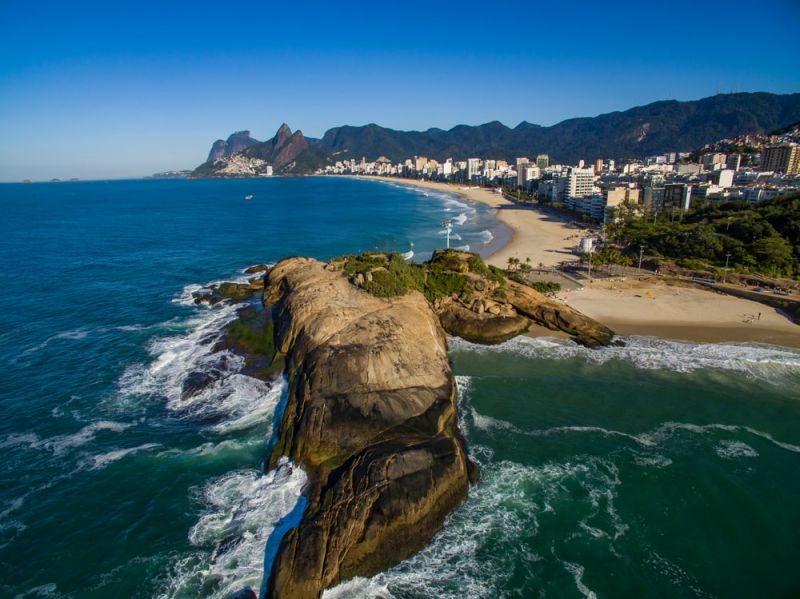
Photo: Ranimiro / Shutterstock.com
Located between Copacabana Fort and Ipanema Beach, Arpoador is famous for its rock formations and open views of the ocean.
Why it easily makes the list of Rio’s best beaches:
-
It’s one of the city’s most iconic places to watch the sea and the sunset
-
Sitting on the rocks at sunset is practically a carioca ritual — you’ll understand when you’re there
Quick tip: Bring a beach towel and arrive a bit early. Arpoador fills up fast.
Leblon: The safe choice for families
.jpg)
Photo: zjtmath / Shutterstock.com
Leblon has a well-earned reputation for being calm and family-friendly. A major highlight for those traveling with children is the area known as Baixo Bebê, officially designated as a kids’ zone.
If you want the comfort of the South Zone with a more relaxed atmosphere, this is one of the best beaches in Rio de Janeiro to include in your itinerary.
Praia Vermelha (Urca): Calm waters and postcard views

Photo: Rafael Catarcione / Riotur
Praia Vermelha, in Urca, is small, charming, and framed by one of Rio’s most iconic landmarks: Sugarloaf Mountain. It’s widely known for its calm waters and peaceful atmosphere.
Ideal for: Relaxed swimming, late-afternoon strolls, and photography.
Between adventure and “well-kept secrets”
.jpg)
Photo: Diego Thomazini / Shutterstock.com
São Conrado: Surfing and free flight in one setting
.jpg)
Photo: Donatas Dabravolskas / Shutterstock.com
São Conrado (officially Praia da Gávea) is known for its stronger waves and a unique feature: a landing area for hang gliders and paragliders at the right end of the beach.
Perfect for adrenaline lovers — just be mindful of the rougher sea conditions.
Joatinga: Small, stunning, and with an access that requires attention
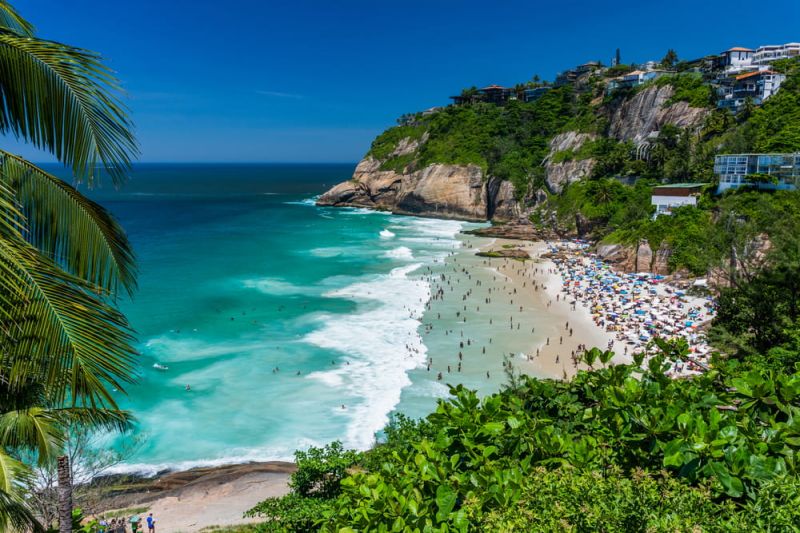
Photo: vitormarigo / Shutterstock.com
Joatinga is the kind of beach that makes you wonder how something like this exists within Rio. Access involves descending a rocky path, so extra care is advised, especially for children and seniors.
If you’re looking for something different from the obvious choices, Joatinga easily ranks among the best beaches in Rio for photos and a sense of discovery.
Barra and West Zone beaches
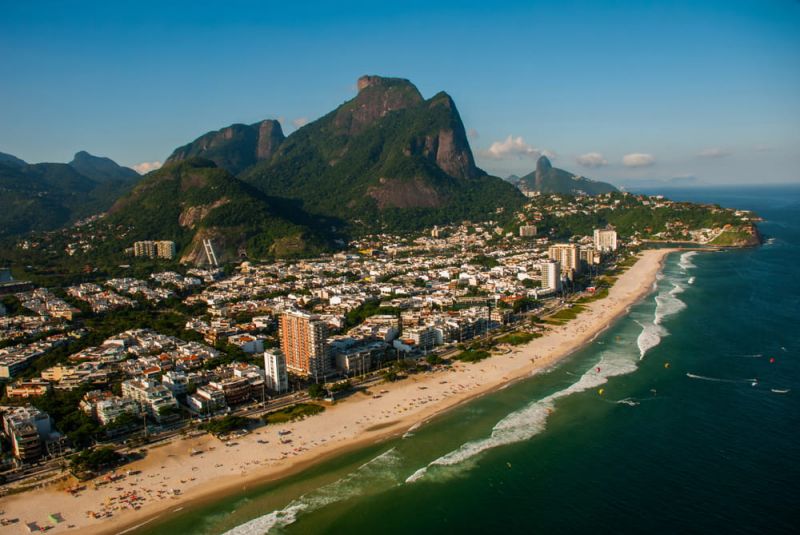
Photo: Alexandre Macieira / Riotur
Barra da Tijuca: The largest and most versatile beach
.jpg)
Photo: Alexandre Macieira / Riotur
Barra Beach is vast, with seemingly endless stretches of sand and sea. It’s ideal for surfing, windsurfing, bodyboarding, and shoreline fishing, and offers plenty of bars, restaurants, kiosks, bike paths, and night lighting.
If you like space and freedom, this is one of the best beaches in Rio de Janeiro for spending an entire day.
Reserva: Nature, peace, and 8 km of breathing room
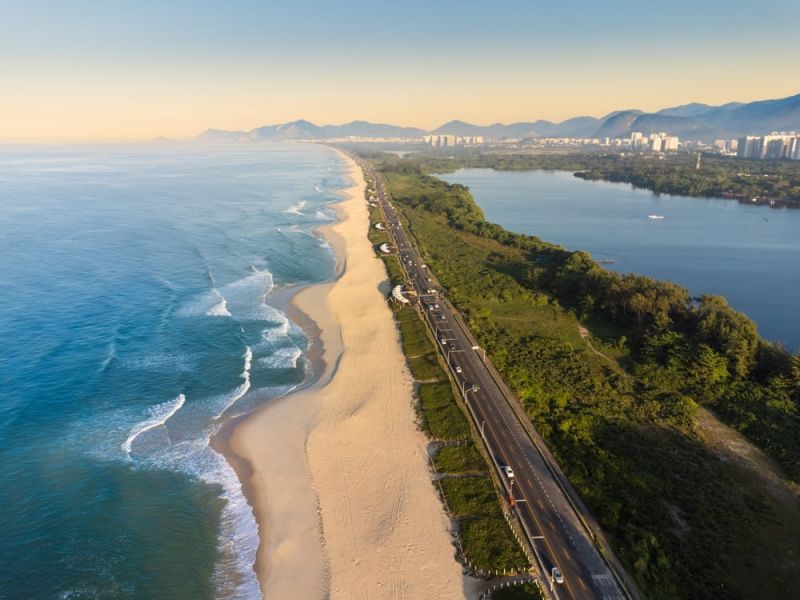
Photo: Diego Thomazini / Shutterstock.com
Located between Barra and Recreio, Reserva Beach delivers a quieter, more natural beach day. It’s an environmentally protected area with soft sand, restinga vegetation, and an impressive 8 km stretch of coastline.
Prainha: A surfer favorite with 700 meters of natural beauty
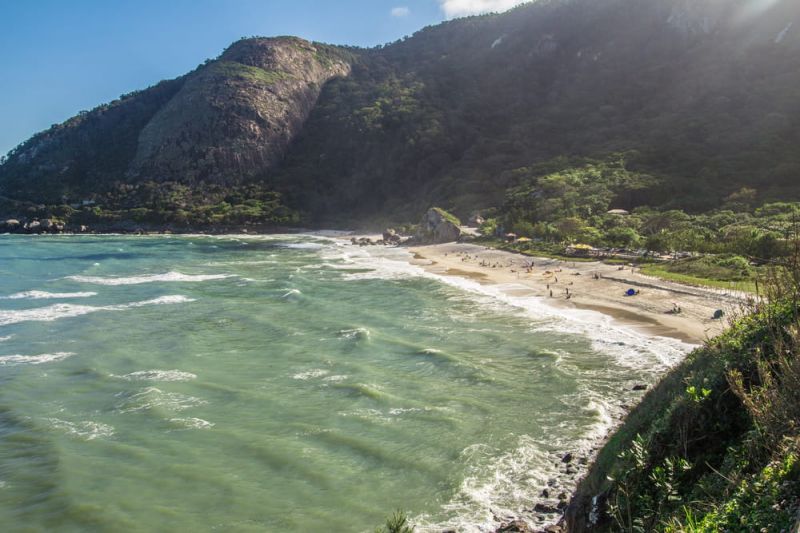
Photo: rodrigobark / Shutterstock.com
Prainha wins hearts quickly. The beach has a 700-meter strip of sand surrounded by hills covered in Atlantic Forest. Arrive early, as the sun disappears behind the mountains by mid-afternoon.
The area is part of the Prainha Municipal Natural Park, a protected zone of approximately 157 hectares.
Grumari: Preserved scenery and a municipal park
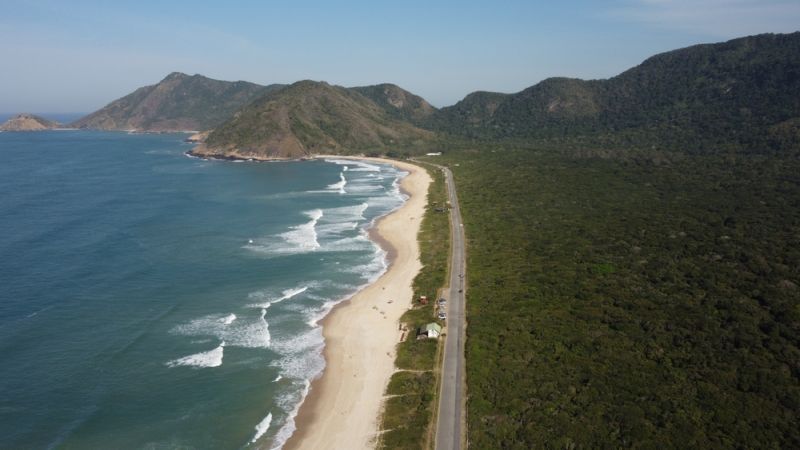
Photo: Lucas de Almeida Jesus / Shutterstock.com
Grumari is for those who want a truly natural beach experience. Construction is prohibited, and the landscape resembles untouched coastal areas.
The Grumari Municipal Natural Park protects one of the few remaining native forest areas in Rio, home to endemic and endangered species.
Bonus tip: Prainha, Reserva, and Grumari are recognized under the Blue Flag environmental certification program.
Abricó: Rio’s only official naturist beach
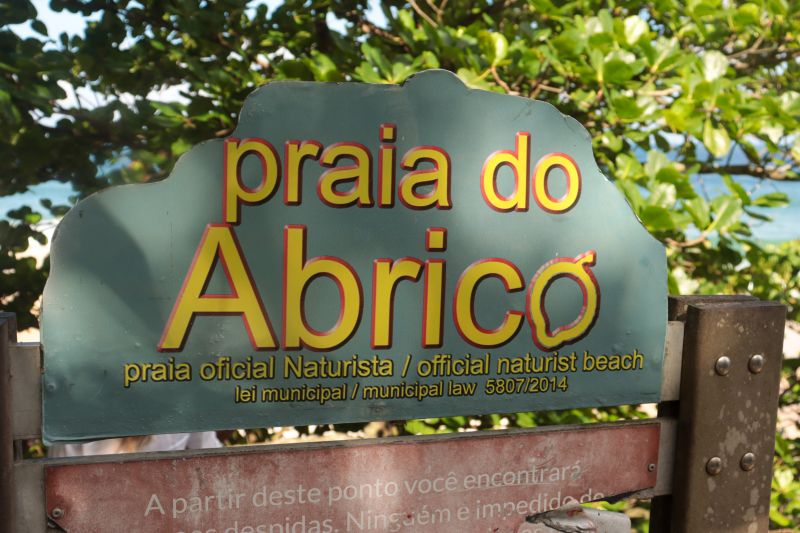
Photo: Guilherme Ferreira / Blumar DMC
If this is the experience you’re looking for, Abricó is the place. It’s the only official naturist beach in Rio and is located within the Grumari Municipal Park.
Before visiting, be sure to review the local naturist association’s rules to ensure a respectful and comfortable experience.
Barra de Guaratiba & the Wild Beaches: An almost untouched Rio
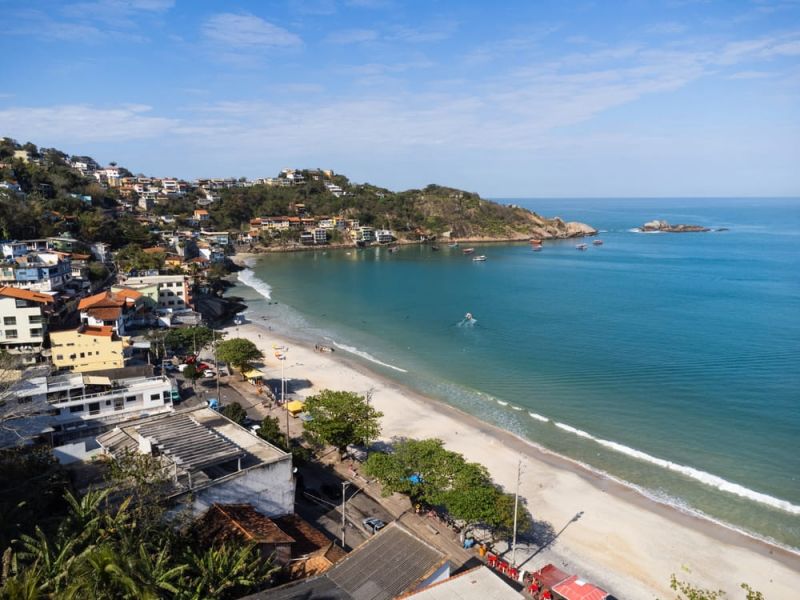
Photo: Diego Thomazini / Shutterstock.com
Barra de Guaratiba combines calm waters with a laid-back beach-town atmosphere, plus rustic seafood restaurants and local charm.
Wild Beaches: Perigoso, Meio, Funda, and Inferno
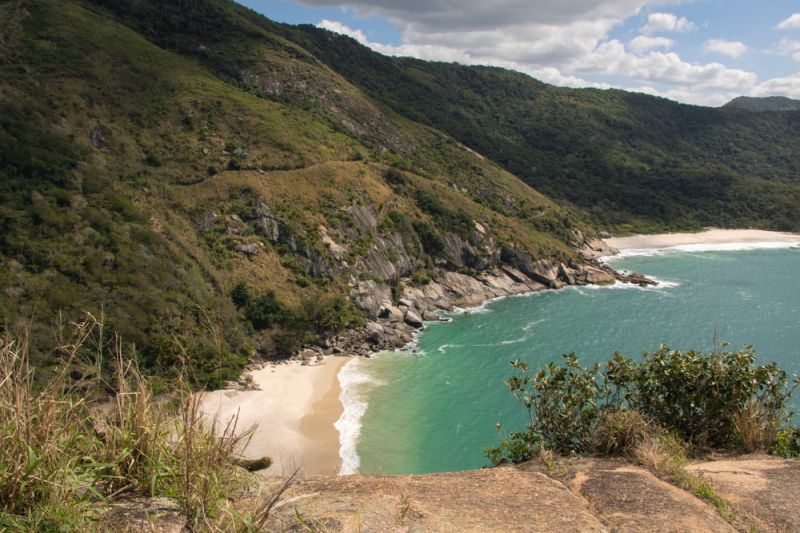
Photo: Diego Thomazini / Shutterstock.com
Accessible only by trails or boat, these beaches are remote, rarely visited, and largely untouched.
Golden tip: Bring water and food — there are no services along the way.
Ready-made itinerary: 3 days exploring Rio’s best beaches

Photo: Leafarmp / Shutterstock.com
Day 1 – South Zone classics
Morning: Copacabana and Leme
Afternoon: Ipanema
Late afternoon: Sunset at Arpoador
Day 2 – Family-friendly and calm waters
Morning: Leblon (Baixo Bebê if traveling with kids)
Afternoon: Praia Vermelha (Urca)
Day 3 – Nature and wow factor
Morning: Prainha (arrive early)
Afternoon: Grumari or Reserva
If you still have energy (and good planning), add Joatinga or a trail to the Wild Beaches.
Rules, safety, and beach etiquette: What’s changed in Rio
A great beach is a well-cared-for beach. In recent years, the city has strengthened regulations along the shoreline to organize public space and prevent irregular activity.
Before you go:
-
Avoid bringing glass containers
-
Respect marked areas, lifeguard guidance, and signage
-
At more isolated beaches (Prainha, Grumari, Wild Beaches), bring water, snacks, and plan your return
If your goal is to enjoy Rio with less improvisation and more peace of mind, working with a travel agency can make all the difference — leaving you free to enjoy only the best parts.
Posts you might also be interested in:
- One-Day Itinerary to Explore Lapa in Rio de Janeiro — Including Santa Teresa
- Where to Go in Rio de Janeiro with Seniors: Discover Accessible Places
- Kiosks in Barra da Tijuca
- Kiosks in Copacabana
- Kiosks in Ipanema
FAQ – Best Beaches in Rio de Janeiro 2026
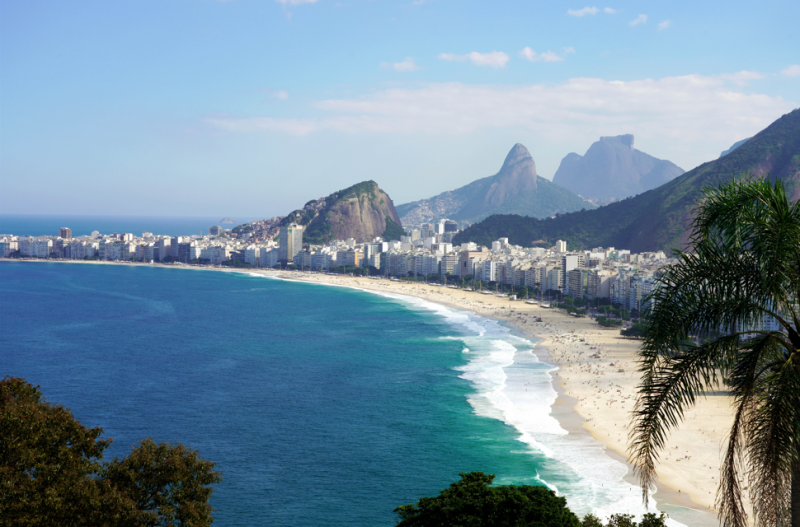
Photo: Zigres / Shutterstock.com
1. What are the best beaches in Rio de Janeiro in 2026?
The best beaches in Rio de Janeiro in 2026 depend on your travel style. The most recommended ones include Copacabana, Ipanema, Arpoador, Leblon, Praia Vermelha, Prainha, Grumari, Barra da Tijuca, Reserva Beach, and Joatinga. Rio offers everything from lively urban beaches with full infrastructure to preserved areas surrounded by nature.
2. Which beach is best for first-time visitors to Rio?
If it’s your first time in Rio de Janeiro, the safest and most iconic choices are Copacabana, Ipanema, and Arpoador. These beaches offer:
-
Easy access
-
Beach kiosks and restaurants
-
Famous promenades
-
A vibrant atmosphere and classic Rio scenery
They represent the “classic Rio” most travelers expect.
3. What are the best beaches in Rio for families with children?
The most family-friendly beaches in Rio are:
-
Leblon (Baixo Bebê area) – traditionally popular with families, calmer waters
-
Praia Vermelha (Urca) – small, peaceful, and usually with gentle waves
These beaches are ideal for children thanks to their relaxed environment and safer sea conditions.
4. Where can I find calm-water beaches in Rio de Janeiro?
If you’re looking for calmer seas, the best options are:
-
Praia Vermelha (Urca)
-
Leblon (especially the Baixo Bebê area)
-
Barra de Guaratiba (on calm sea days)
Sea conditions vary significantly from beach to beach in Rio, so choosing the right one is essential.
5. Which are the best beaches in Rio for surfing and sports?
For surfing and outdoor sports, these beaches stand out:
-
Prainha – one of Brazil’s most famous surf beaches
-
São Conrado – strong waves and hang-gliding landings
-
Grumari – surfing surrounded by preserved nature
-
Barra da Tijuca – great for surfing, windsurfing, kitesurfing, and bodyboarding
These beaches have a more adventurous profile and require extra attention to sea conditions.
6. Where are the most preserved and natural beaches in Rio?
Rio’s most preserved and wild beaches are mainly located in the West Zone:
-
Reserva Beach – 8 km of protected coastline
-
Grumari – a municipal natural park with no buildings
-
Prainha – surrounded by Atlantic Forest
-
Wild Beaches (Perigoso, Meio, Funda, and Inferno) – accessed by trails or boats and largely untouched
They are perfect for travelers seeking nature and tranquility.
7. Which is the most beautiful and photogenic beach in Rio?
Beauty is subjective, but Joatinga Beach is often considered one of the most photogenic beaches in Rio. Small, surrounded by rocks, and with a unique access path, it feels like a hidden beach within the city.
Other visually stunning beaches include Arpoador, Praia Vermelha, and Grumari.
8. Is there a nudist beach in Rio de Janeiro?
Yes. Abricó Beach is the only official nudist beach in Rio de Janeiro. It is located in the West Zone, within the Grumari Municipal Park, and follows specific rules established by the local naturist association.
9. What is the best beach in Rio to watch the sunset?
Arpoador is considered one of the best places in Rio to watch the sunset. Locals and visitors often gather on the rocks, and it’s tradition to applaud when the sun disappears into the ocean.
10. Which beaches are best if I want space and fewer crowds?
If you prefer wide beaches and more breathing room, choose:
-
Barra da Tijuca – long, spacious, and versatile
-
Reserva Beach – quieter and less urban
-
Grumari – preserved nature and fewer visitors
These beaches are ideal for spending a full day comfortably.
11. Which beaches in Rio have the Blue Flag environmental certification?
According to official tourism sources, Prainha, Reserva Beach, and Grumari are among the beaches in Rio de Janeiro that have received the Blue Flag certification, an international recognition for environmental quality and sustainability.
12. What is the best time of day to visit Rio’s beaches?
It depends on the beach:
-
Prainha and Grumari: arrive early, as the sun disappears behind the mountains in the afternoon
-
South Zone beaches (Copacabana, Ipanema, Leblon): mornings are quieter; late afternoons are perfect for walking
-
Arpoador: best at sunset
Timing can greatly improve your beach experience.
13. How can I plan a beach itinerary in Rio in a few days?
A balanced 3-day beach itinerary could be:
-
Day 1: Copacabana, Ipanema, and sunset at Arpoador
-
Day 2: Leblon and Praia Vermelha
-
Day 3: Prainha and Grumari or Reserva Beach
This mix combines iconic beaches, calm waters, and nature.
14. Is it safe to visit more isolated beaches in Rio?
Yes, as long as you plan ahead. For beaches like Prainha, Grumari, and the Wild Beaches, it’s recommended to:
-
Bring water and snacks
-
Plan transportation in advance
-
Follow lifeguard advice and posted signs
These beaches lack infrastructure but offer unforgettable experiences.
15. What are the main beach rules and regulations in Rio?
In recent years, the City of Rio has reinforced beach regulations, focusing on:
-
Restrictions on glass containers
-
Organization of kiosks and vendors
-
Respect for designated areas and lifeguard guidance
These measures aim to improve safety, cleanliness, and the overall visitor experience.